
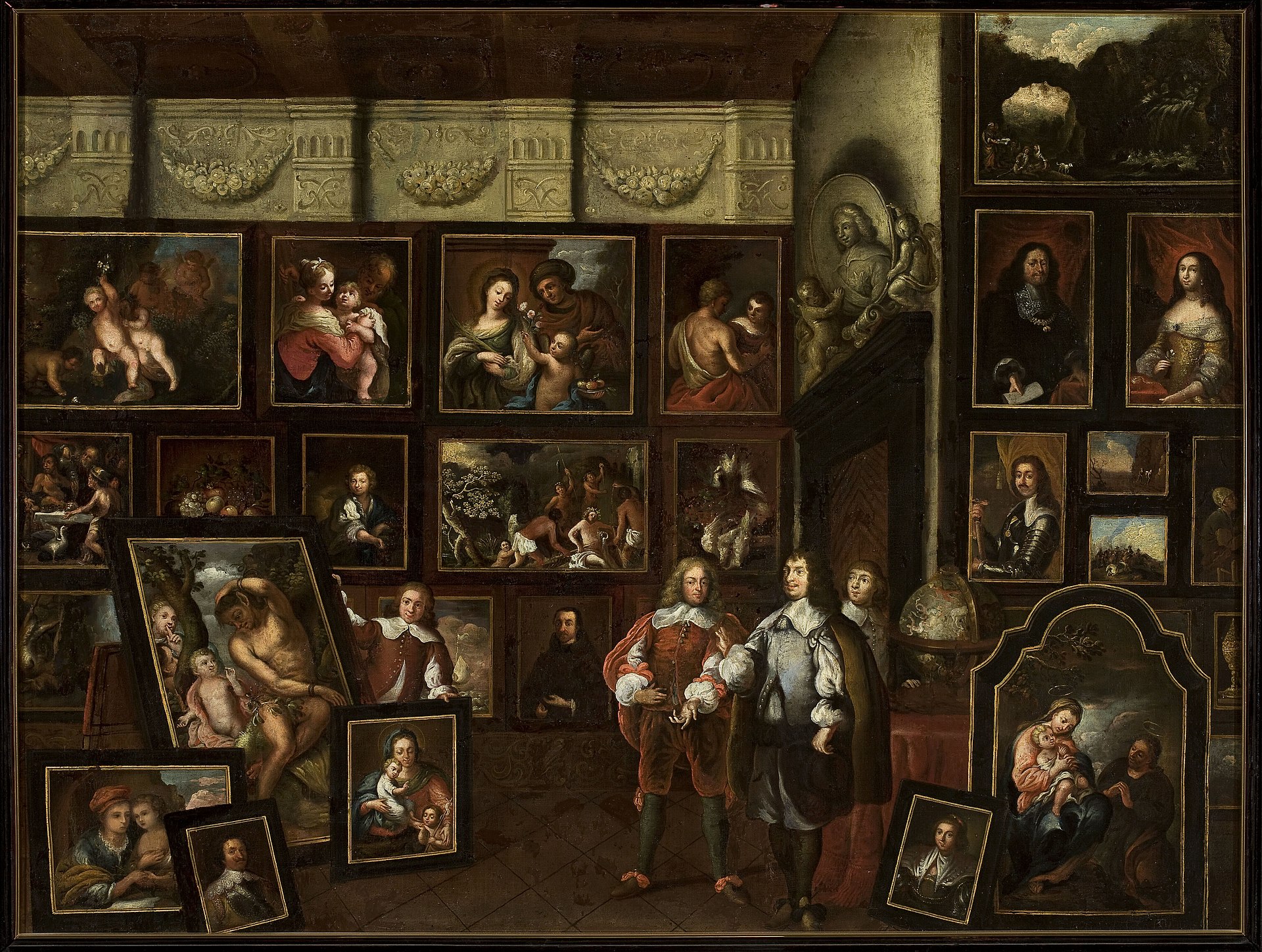
Working with a gallery can open doors to collectors, curators, and press that are difficult to reach alone. It can also create confusion if the terms of the relationship are never written down. Many disputes between artists and galleries come down to assumptions: who holds the work, who pays for shipping, when the artist is paid, and what happens if a work is damaged or unsold.
A written agreement, a clear inventory, and a willingness to ask direct questions before anything is signed will prevent most of these problems. This checklist sets out what good gallery relationships tend to include. It is general guidance, not legal advice, and you should take independent legal advice for any agreement that matters to you.
Knowing the kinds of gallery relationship
Galleries work with artists in different ways, and the terms change with the arrangement. In a consignment arrangement, the gallery holds your work and sells it on your behalf, paying you an agreed share after a sale. In a representation or exclusive arrangement, the gallery may act as your main or sole dealer in a territory or for a stated period. A one-off exhibition agreement is limited to a single show.
Understanding which model you are being offered is the first step. The obligations on both sides differ, so ask directly which type of relationship is proposed and how long it is meant to last.
What a gallery agreement should cover
A sound agreement puts the important terms in writing, even for a short exhibition. The document should identify the parties, describe the works included, and set out the commercial and practical terms.
Typical items include the commission rate, when and how the artist is paid, the duration of the arrangement, and any exclusivity. It should also cover who is responsible for shipping, framing, insurance, and storage, and what happens to unsold work at the end. Copyright and licensing should be addressed separately from ownership of a physical piece, since selling a work does not automatically transfer the right to reproduce it.
Commission, payment and the money trail
The commission is the share the gallery keeps from a sale. Rates vary, and the figure should be confirmed in writing rather than agreed in conversation. The agreement should also state when payment reaches the artist, whether on sale, on the buyer's payment, or after a stated period.
Ask for clear statements of all sales, and keep your own record of works consigned, sold, and returned. DACS and a-n The Artists Information Company publish guidance that can help you understand common practices and fair terms.
Consignment, inventory and care of work
Where a gallery holds your work, a consignment schedule should list each piece with its title, medium, dimensions, and value. Both parties should sign it, and you should keep your own copy. This protects you if a work is lost, damaged, or disputed later.
The agreement should state who insures the work while it is with the gallery, and what happens if it is damaged or stolen. It should also say how work is stored and whether the gallery may move it to another site.
Exhibitions, shipping and insurance
For an exhibition, agree the dates, the works to be shown, and who pays for transport and installation. Confirm how the work will be returned and who covers that cost. Photographs of the work before shipping help establish its condition.
Questions to ask before you sign
Before signing anything, ask what the commission is, how long the agreement runs, whether it is exclusive, who insures the work, and how you can end the arrangement. Ask for anything unclear to be put in writing. A gallery that answers these questions openly is usually easier to work with later.
Getting legal advice and keeping records
Gallery agreements can involve real money and long commitments, so treat legal advice as part of the process rather than an optional extra. A solicitor with arts experience, or a specialist advisory service, can review a contract before you commit. Artquest and a-n both offer practical resources for artists.
Keep signed copies of every agreement, consignment note, and statement of sales. A tidy record makes it far easier to resolve a problem calmly and to show what was actually agreed.
Practical checklist
- [ ] Confirm in writing which type of gallery relationship is being offered.
- [ ] Check that the commission rate and payment timing are set out clearly.
- [ ] Get an inventory of consigned works signed by both parties.
- [ ] Agree who pays for shipping, framing, insurance, and return of unsold work.
- [ ] Separate copyright and licensing from the sale of a physical piece.
- [ ] Note the duration, exclusivity, and termination terms of the agreement.
- [ ] Take independent legal advice before signing anything significant.
- [ ] Keep signed copies of every agreement, inventory, and sales statement.
Contributing to BGTC Voice
Gallery relationships work best when both sides understand the terms from the start. If you have negotiated a clear consignment agreement, resolved a difficult sale, or built a system for tracking consigned and sold work, BGTC Voice would like to hear from you. Share practical, verifiable experience that helps other artists approach gallery contracts with confidence, and never present general guidance as a substitute for professional legal advice.