
By Maria Bregman, Founder and Editor-in-Chief of Creativitys.UK
London Climate Action Week 2026 (LCAW) – Europe’s largest independent climate action week – took place from 20 to 28 June and attracted a record ~75,000 participants from the business community, public authorities and the financial sector. As part of more than 1,000 scheduled events, participants discussed practical steps to tackle the climate crisis against the backdrop of a record June heatwave with temperatures reaching up to +38°C. The organisers set the theme of the week as ‘climate cooperation in a divided world’. According to LCAW founder Nick Maybi, London, thanks to its financial sector, has a unique opportunity to demonstrate that proactive climate action can be beneficial for the economy.
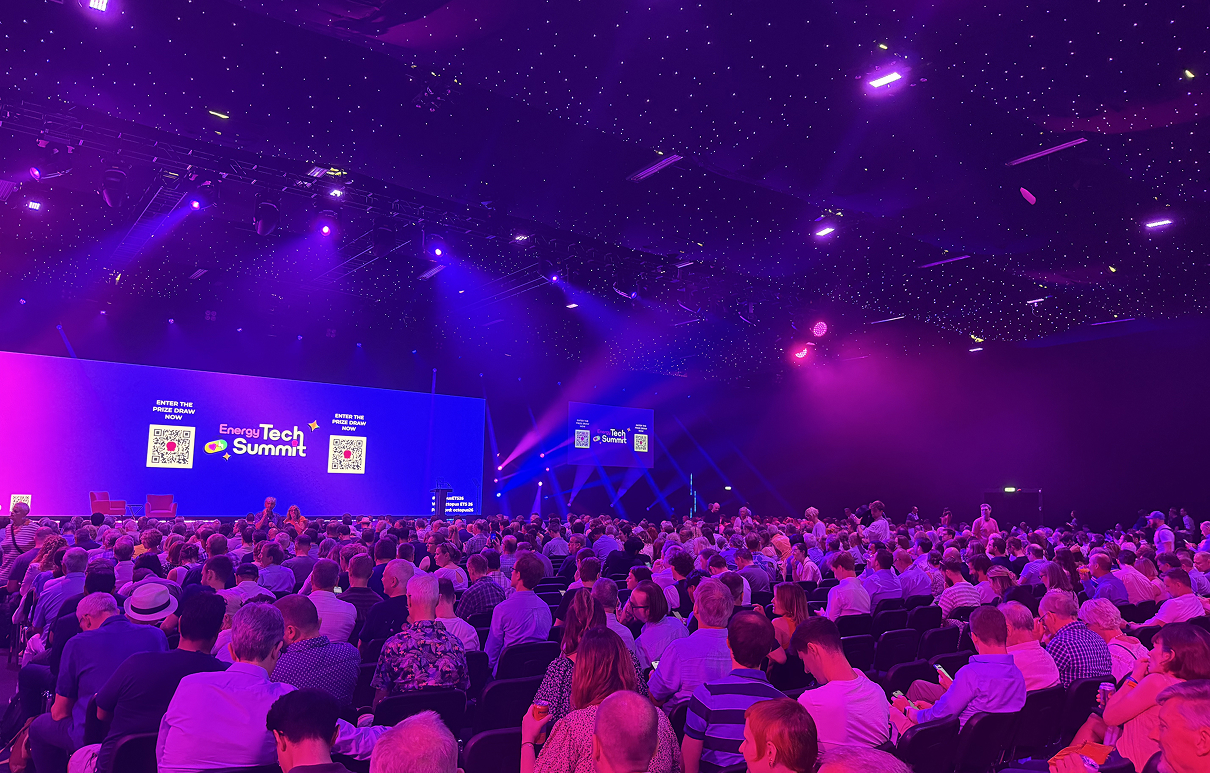
The opening Climate Innovation Forum. On Monday 22 June, the Climate Innovation Forum – LCAW’s flagship event – took place at the historic Guildhall. It brought together around 2,500 leaders from business, finance and government to accelerate the scaling up of climate and nature solutions. The forum aimed to turn declared climate commitments into concrete action. Participants emphasised the need to bridge the gap between stated targets and actual funding: it is vital to mobilise the real economy to drive the transition to clean technologies.
Net Zero Investor Climate Solutions Summit. On 23 June, the NZI Climate Solutions Summit took place – an event organised by Net Zero Investor and dedicated to climate investment. The summit brought together leading investors and consultants working in the field of sustainable finance. The focus was on the role of venture capital and private equity investment in scaling up climate technologies and low-carbon infrastructure. Participants discussed how to incorporate climate and nature-based projects into institutional investors’ portfolios, assessing the potential returns and impact of such investments.
The Opportunity Summit. Also on 23 June, the Opportunity Summit took place – the Climate Group’s first summit, supported by the Mayor of London. This is a key forum for senior executives from business, government and NGOs, aimed at building the competitiveness of Europe’s ‘clean’ energy sector. Participants discussed where to direct investment and which systemic barriers need to be removed to accelerate the roll-out of new technologies. The organisers emphasised that Europe is currently at a turning point: the decisions taken over the coming year will determine which sectors will grow and which projects will be scaled up.
Climate Resilience Finance Summit. On 25 June, the London Climate Resilience Finance Summit, organised by the International Institute for Environment and Development (IIED), took place in London (The Brewery). This was a high-level meeting of heads of state, ministers, representatives of banks and NGOs, aimed at ‘accelerating’ financial support for climate adaptation. The summit discussed ways of mobilising additional private and public capital to enhance the resilience of infrastructure and communities in the face of climate threats. The main objectives of the meeting were to move the discussion beyond mere declarations towards concrete solutions: to showcase successful models of investment in adaptation (particularly in developing countries), to establish new financial mechanisms for vulnerable communities, and to strengthen London’s position as a global hub for climate finance.
Moody’s: Unlocking Capital for Climate Resilience. On 24 June, Moody’s held a specialised seminar entitled ‘Unlocking Capital for Climate Resilience: From Data to Decisions’. With the participation of experts from the financial sector, the seminar discussed how climate risks translate into credit and financial risks, as well as the opportunities that greater resilience presents for investors. The seminar examined cases of ‘insurance protection gaps’, the impact of climate scenarios on credit decisions, and the development of ‘green’ debt instruments. Particular attention was paid to how new analytical data and regulatory requirements help investors make long-term decisions whilst simultaneously stimulating investment in adaptation.
The London Climate Action Week 2026 clearly demonstrated a shift in focus from discussing targets to implementing solutions. The main focus is now on channelling capital into real-world projects (whether in clean energy, nature restoration or sustainable infrastructure) and forging partnerships between governments, business and the financial sector. All five of the events listed helped to bring key stakeholders together around specific practical approaches – ranging from innovative financial instruments to the integration of climate risks into corporate strategy.