
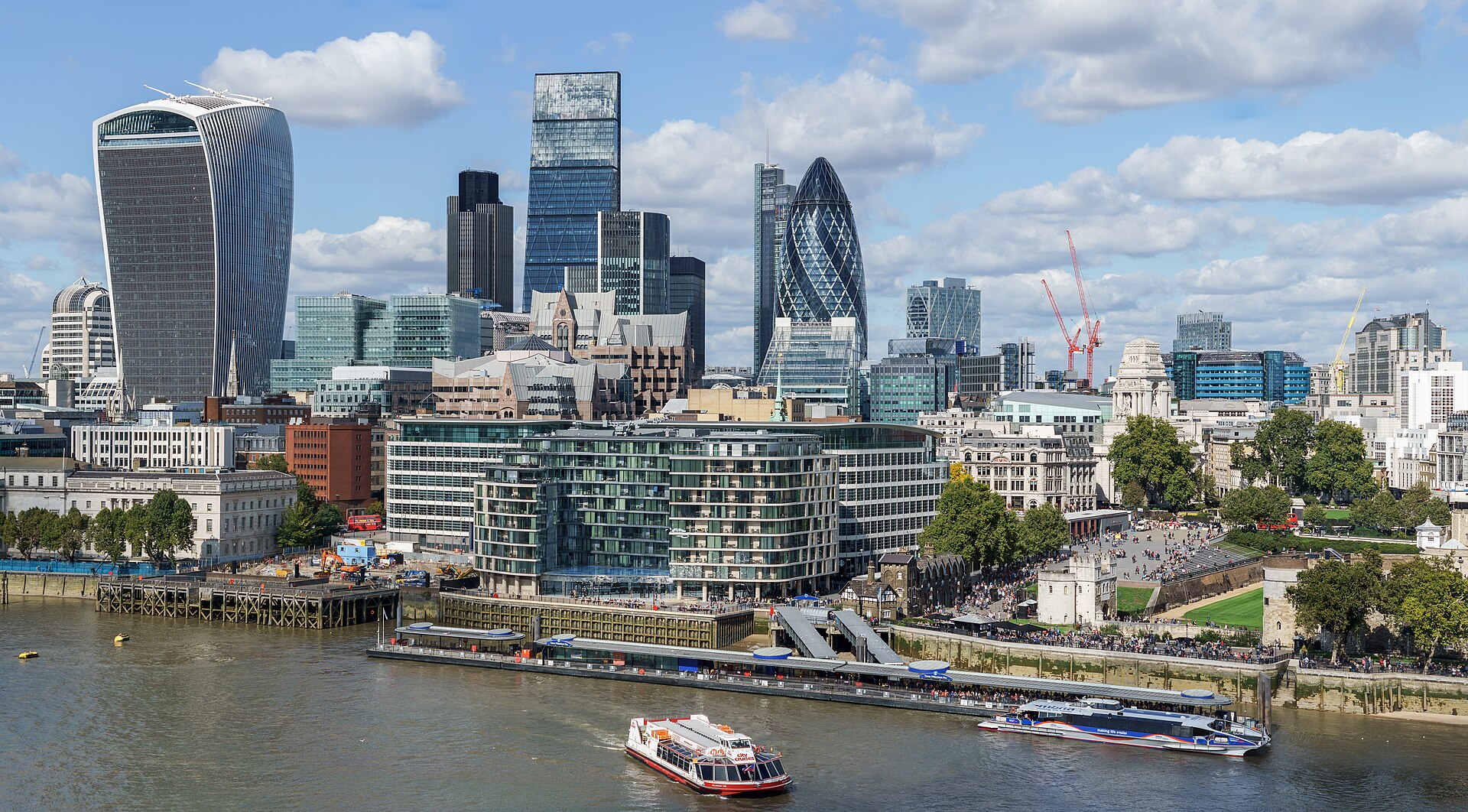
London is home to one of the densest creative economies in the world. Its creative industries - architecture, advertising, industrial design, digital media, fashion, publishing and contemporary visual arts - generate billions in gross value added and draw exceptional talent from across the globe. For an independent studio head, designer or creative entrepreneur, embedding inside London's professional networks is often vital for finding collaborators, winning commissions and keeping pace with sector innovation.
The capital's network scene, however, is notoriously fragmented and opaque. A newcomer or scaling founder runs into a bewildering array of historic chartered societies, private members' clubs, commercial co-working communities, sector-specific trade bodies and informal grassroots collectives. Join the wrong community and the result is wasted membership money, endless evenings in low-relevance social mixers and mounting network fatigue. Moving through this world successfully calls for an analytical framework for mapping network fit before applications go in or annual subscriptions get paid.
Differentiating between commercial, craft, and social network models
Creative professionals are often disappointed by London networks because they fail to tell three fundamentally different operating models apart. Each model has a distinct purpose, and confusing them leads to misaligned expectations.
Before evaluating any specific group, work out which structural model it follows:
- Commercial procurement and business development networks: These groups exist to facilitate trade, client commissions and agency partnerships. They often host pitch nights, client preview evenings and procurement roundtables where creative studios meet corporate brand directors, property developers or technology buyers. Value here is measured directly in commercial introductions and contract opportunities.
- Craft excellence and peer critique collectives: These networks focus inward on the discipline itself. Formats include closed-door portfolio critiques, technical workshops, studio tours and collaborative exhibition programmes. Members join to sharpen technical skills, debate aesthetics, test conceptual ideas and receive unvarnished feedback from respected peers. Commercial solicitation is usually discouraged.
- Social and hospitality-led members' clubs: Broad-spectrum creative clubs provide physical space to work, dine and entertain clients. They offer excellent amenities and cultural event programmes, but their large, diverse memberships mean professional networking is largely serendipitous. Join a private club expecting structured business development or rigorous technical peer review and frustration is the likely outcome.
Working out whether the immediate priority is generating commercial pipeline, finding peer critique for ambitious studio work, or securing central hospitality space ensures that candidate networks get assessed against the right criteria.
Navigating London's geographic creative clusters and transport realities
Digital communication has removed many friction points, yet London's creative economy remains deeply rooted in physical geography. The city works as a federation of distinct creative villages, each with its own subculture, dominant industries and daily rhythms.
Knowing the geographic map of London's creative specialisms helps professionals find their natural peer group:
- East London (Shoreditch, Hackney, Whitechapel, and Stratford): The established centre for digital design, creative technology, gaming studios, independent publishing and experimental artist-run spaces. The culture is entrepreneurial, informal and closely tied to the Silicon Roundabout tech corridor.
- Central and the West End (Soho, Fitzrovia, and Covent Garden): The historic heart of film production, post-production audio, commercial advertising, broadcast media and theatrical design. Networks here are long established, relationship-driven and closely connected to major media agencies and broadcasters.
- South Bank, Bermondsey, and Southwark: Heavily weighted toward contemporary architecture, industrial design, structural engineering and major public cultural institutions. Communities in this corridor often bridge commercial practice and civic infrastructure.
- King's Cross and North London: Driven by the presence of major art institutions, universities and corporate research labs. Networks in this area excel in sustainable fashion, material innovation, bio-design and interdisciplinary academic-industry partnerships.
The operational friction of physical attendance across zones
When weighing up a network, assess the practical reality of attending its events alongside the studio workload. London's geographic sprawl and transit network mean that travelling between a studio in Peckham and an evening panel in Camden eats up significant time and energy.
If a community's physical programming is concentrated in central or west London, a practitioner operating in east or south London has to decide whether that commute is sustainable during peak hours. A network whose events get attended only twice a year, because of logistical friction, delivers virtually zero return on the investment, regardless of how prestigious the membership list looks on paper.
Evaluating peer seniority, cohort diversity, and commercial ethics
A creative network is only as valuable as the people who actively take part in its programmes. The marketing literature of many organisations parades famous founders, celebrated artists or industry icons who act as honorary patrons or advisory board members. In reality, these luminaries rarely turn up to routine meetings.
To weigh up the authentic cohort of a network, investigate three critical dimensions:
- Active practitioner ratio: Check that the regular attendees are working practitioners actively managing projects, studios and briefs. If meetings are dominated by business development representatives from unrelated corporate services, recruitment agents or junior students, the room will lack the technical depth required for meaningful professional exchange.
- Seniority and operating scale: Peer learning functions best among individuals facing comparable operational pressures. A solo freelance illustrator needs entirely different operational support from a creative director managing a thirty-person brand consultancy with international payroll. Look for communities where members manage similar organisational complexity.
- Disciplinary diversity: Specialised single-discipline groups, such as typographic societies or architectural associations, offer exceptional technical depth; multi-disciplinary networks foster richer commercial collaborations. High-value projects frequently emerge where industrial designers, software developers and brand strategists intersect.
Avoiding insular echo chambers
Creative industries are particularly prone to forming insular social bubbles where members endlessly validate each other's work without confronting real commercial or audience realities. An effective creative network has to keep outward-facing connections to the broader economy.
Scrutinise whether the network regularly brings in outside perspectives: municipal planners, technology researchers, manufacturing specialists, enterprise buyers or cultural curators. A network that speaks only to itself quickly becomes an expensive social club rather than an engine for professional advancement.
Deconstructing vetting criteria, cost structures, and governance
The economic model and the admission process of a community provide vital clues about its long-term culture and stability. In London, membership fees range from nominal contributions for grassroots collectives to several thousand pounds annually for private institutions.
Scrutinise how prospective members are evaluated:
- Portfolio and peer review: Organisations that require a substantive portfolio submission, professional references or committee interviews demonstrate that they protect the professional calibre of the room. That vetting creates immediate mutual respect among admitted members.
- Open admission based on payment: Platforms that grant instant membership once a credit card payment clears inevitably struggle with quality control. Without vetting, these groups frequently slide into uncontrolled promotional forums where members shout over each other to sell services.
- Corporate sponsorship dependencies: Examine whether the organisation's public programmes are funded mainly by member subscriptions or by corporate brand sponsors. When corporate sponsors set the agenda, panel sessions often turn into thinly veiled advertorials for software platforms or corporate law firms.
Independent collectives versus corporate-sponsored hubs
Independent, member-led collectives typically offer higher levels of trust, candour and creative autonomy. They may, however, lack dedicated administrative staff, which results in irregular event scheduling and administrative delays.
Corporate-sponsored hubs, by contrast, provide pristine facilities, reliable scheduling and high-end production values, but their editorial independence can be fragile. Where the balance falls depends on whether polished corporate facilities are wanted, or raw, uncensored peer debate.
A five-step method for mapping network fit
Rather than joining networks haphazardly on the strength of word-of-mouth recommendations, apply a disciplined evaluation framework so that strategic alignment is strong.
- Audit your immediate professional bottleneck: Write down the single biggest constraint currently facing the creative practice - whether that is securing higher-budget commercial clients, finding a reliable fabrication partner, recruiting senior design talent, or winning critical peer review for a public exhibition.
- Attend public sessions before applying: Most reputable organisations host occasional public lectures, open studio evenings or ticketed panel debates. Attend at least two public events to see how the organisers run sessions and how members interact informally during breaks.
- Conduct discreet member due diligence: Reach out to two current members and, where possible, one departed member through professional channels. Ask direct, specific questions: how many substantive client introductions or collaborative projects have they secured over the past twelve months? What is the signal-to-noise ratio in community discussions?
- Calculate total cost of participation: Quantify the true annual investment, adding annual dues, joining fees, estimated travel costs across London and the value of billable hours given up to attend events.
- Establish a six-month review milestone: If you decide to join, set a calendar reminder for six months later. Where the community has not delivered tangible intellectual, collaborative or commercial value by that milestone, cancel the renewal and redirect the time elsewhere.
Practical checklist for mapping London creative networks
- [ ] Identify whether your main goal is commercial client acquisition, technical craft critique, or general hospitality.
- [ ] Map the geographic location of recurring events against your daily studio commute and transit routes.
- [ ] Verify that active meeting attendees match your career seniority and operational scale.
- [ ] Check whether the network maintains balanced multi-disciplinary representation or focuses on a single niche.
- [ ] Inspect the entry process to confirm that members undergo genuine portfolio or peer vetting.
- [ ] Determine whether event programming is editorially independent or driven by corporate sponsors.
- [ ] Attend an open event, exhibition or guest session before submitting a formal membership application.
- [ ] Set a defined six-month milestone to evaluate concrete outcomes against your financial and time investment.
Contributing to BGTC Voice
London's creative leadership does better when practitioners openly share frameworks for navigating the commercial and collaborative complexities of the city. If you have built a thriving creative collective, developed successful cross-disciplinary studio partnerships, or established innovative models for creative business development in the UK, we welcome your submission to BGTC Voice. We seek analytical, real-world contributions that give fellow creators and founders practical blueprints for sustainable creative practice.