
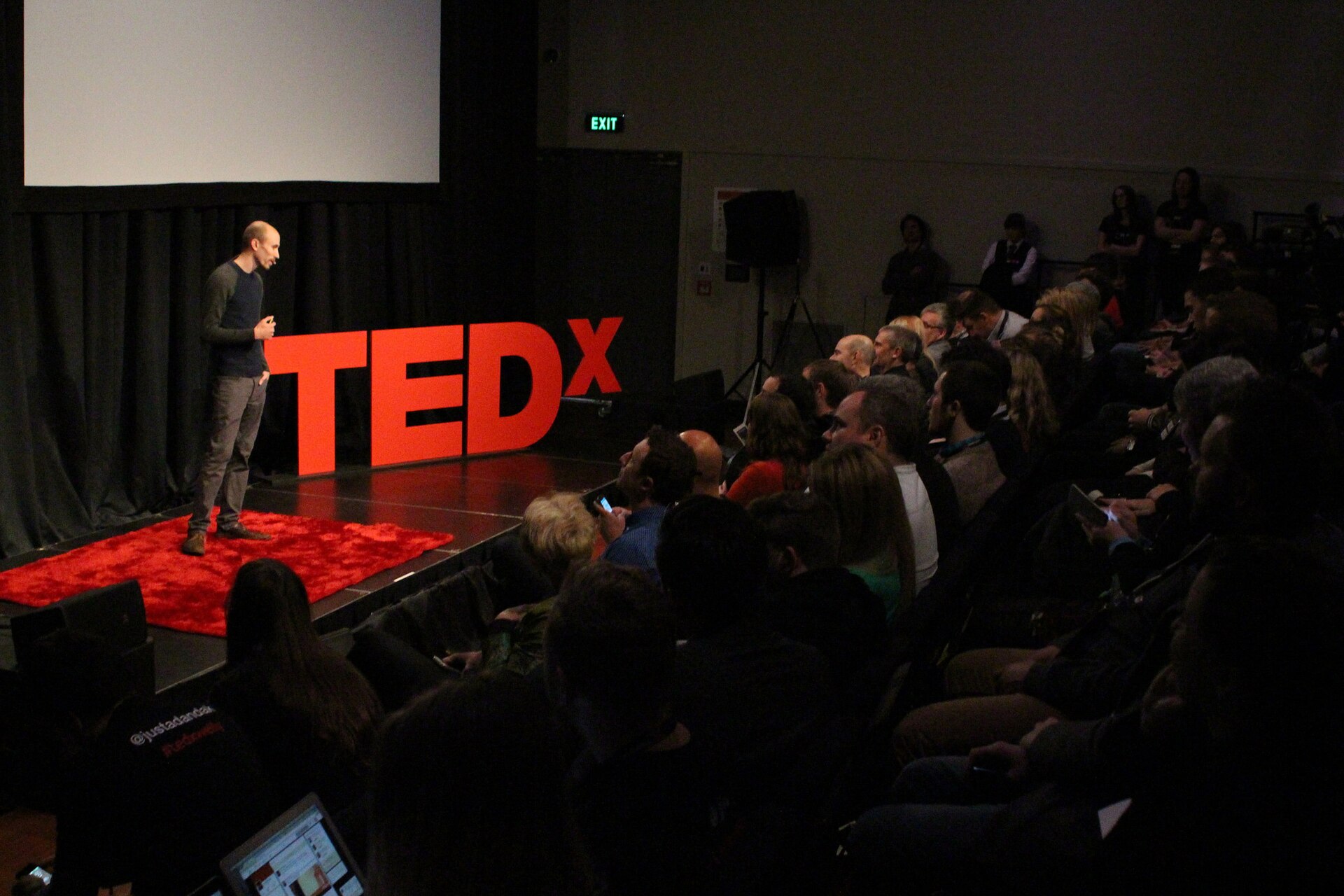
Founders who come from sales, operations, design, or finance often feel they have less to show in public than their technical co-founders. The opposite is usually true. A non-technical founder owns the parts of the business that are hardest to fake: understanding a market, winning trust, and turning an idea into an organisation that delivers. The task is to make that work visible in a way that reads as credible rather than boastful.
This guide explains how a non-technical founder can build a public profile around the judgement and results that belong to their role. It focuses on method, not on any particular platform, and it points you towards evidence you already have.
What non-technical founders are actually good at
It helps to name your work plainly. Technical founders often point to a product, a system, or a piece of engineering. Non-technical founders point to different things: a market that was poorly served, a customer relationship that took years to build, a team assembled around a shared standard, or a commercial model that made the product viable.
These are real contributions, and they are often harder for a reader to verify quickly, which is exactly why they need to be documented well. A public profile is the place to do that. Instead of competing on technical depth you do not have, describe the decisions you made and the reasoning behind them.
Start by listing, privately, the moments where your judgement changed the direction of the company. Not the wins alone, but the choices: which market to enter, which offer to drop, which partner to trust. Those choices are the raw material of your profile.
Choosing the evidence that fits your role
Every founder has access to more evidence than they realise. The skill is selecting the pieces that match your role and that you are allowed to share.
Useful categories for a non-technical founder include commercial evidence, such as how revenue or retention changed over a period; organisational evidence, such as how a team was structured or a function was built; and relationship evidence, such as long-standing partnerships or repeat business.
Showing commercial judgement
Commercial evidence is strongest when you explain the reasoning, not the result alone. A rise in a metric on its own says little. Explaining why you changed the pricing model, what you expected, and what actually happened shows how you think. Where figures are confidential, describe the category and the direction of change, and keep the specific numbers out.
Avoid claiming that one decision caused an outcome when several things changed at once. Careful founders separate what they controlled from what happened around them, and that care is itself a signal of seniority.
Explaining the business without jargon
A profile that only other insiders can read has limited reach. Write about your company the way you would explain it to an intelligent person outside your industry. Define your terms, avoid internal shorthand, and lead with the problem rather than the product.
This is a discipline, not a simplification. Clear writing signals that you understand your business well enough to describe it plainly. It also makes your profile useful to journalists, partners, and potential hires, who are often reading without your context.
Where your field has genuine technical content, describe the commercial or user problem it addresses rather than pretending to explain the engineering. Credibility comes from knowing the boundary of your expertise and being honest about it.
Writing about the problems you solve
The clearest public profiles are built around problems. A reader understands a founder who says what problem they noticed, who suffered from it, and how the company responded. This structure works across formats: a short post, a longer essay, or a talk.
Use concrete detail where you can. Describe the customer conversation that revealed the problem, the alternative that people were using before, and the constraint that made the obvious solution unworkable. Detail of this kind is difficult to invent, which is why it reads as authentic.
Keep the focus on the problem and the method rather than on the company's achievements. A reader who follows your reasoning will draw their own conclusion about your competence, which lands better than a list of claims.
Building credibility through others
A founder's reputation is not built alone. Partners, customers, investors, and employees all contribute evidence through their own public statements and their willingness to work with you.
This works in two directions. When you write about a partnership, credit the other side specifically. When a customer speaks well of the company, ask permission before quoting them, and keep the quote accurate. Named, verifiable references carry more weight than any self-description.
For non-technical founders, this network is often the strongest part of the profile. The relationships you have built are visible in who chooses to work with you, and that is evidence a reader can check.
Keeping your profile honest and current
A public profile is a long-term asset, and it only works if the facts in it are accurate. Keep your role titles, dates, and company descriptions consistent across your website, your professional profiles, and any speaker biographies you provide.
Review your profile once or twice a year. Remove claims you can no longer support, update your role as the company changes, and retire descriptions of products or markets you have left. Accuracy over time is what turns a profile from a pitch into a record.
Contributing to BGTC Voice
BGTC Voice publishes practical writing from founders who want to explain how they build. If you have developed a method for describing commercial or organisational work in public, an article on the process is a useful contribution. Submissions should describe the approach and keep any confidential figures, customer names, or internal details out of the text.
Practical checklist
- [ ] List the decisions where your judgement changed the company's direction.
- [ ] Select commercial, organisational, and relationship evidence that fits your role.
- [ ] Explain the reasoning behind results, not the results alone.
- [ ] Describe the business in plain language a non-specialist can follow.
- [ ] Build posts and talks around a problem and the method used to solve it.
- [ ] Credit partners and customers specifically, with permission to quote.
- [ ] Name the boundary of your expertise instead of overclaiming.
- [ ] Review role titles and dates for accuracy at least once a year.