
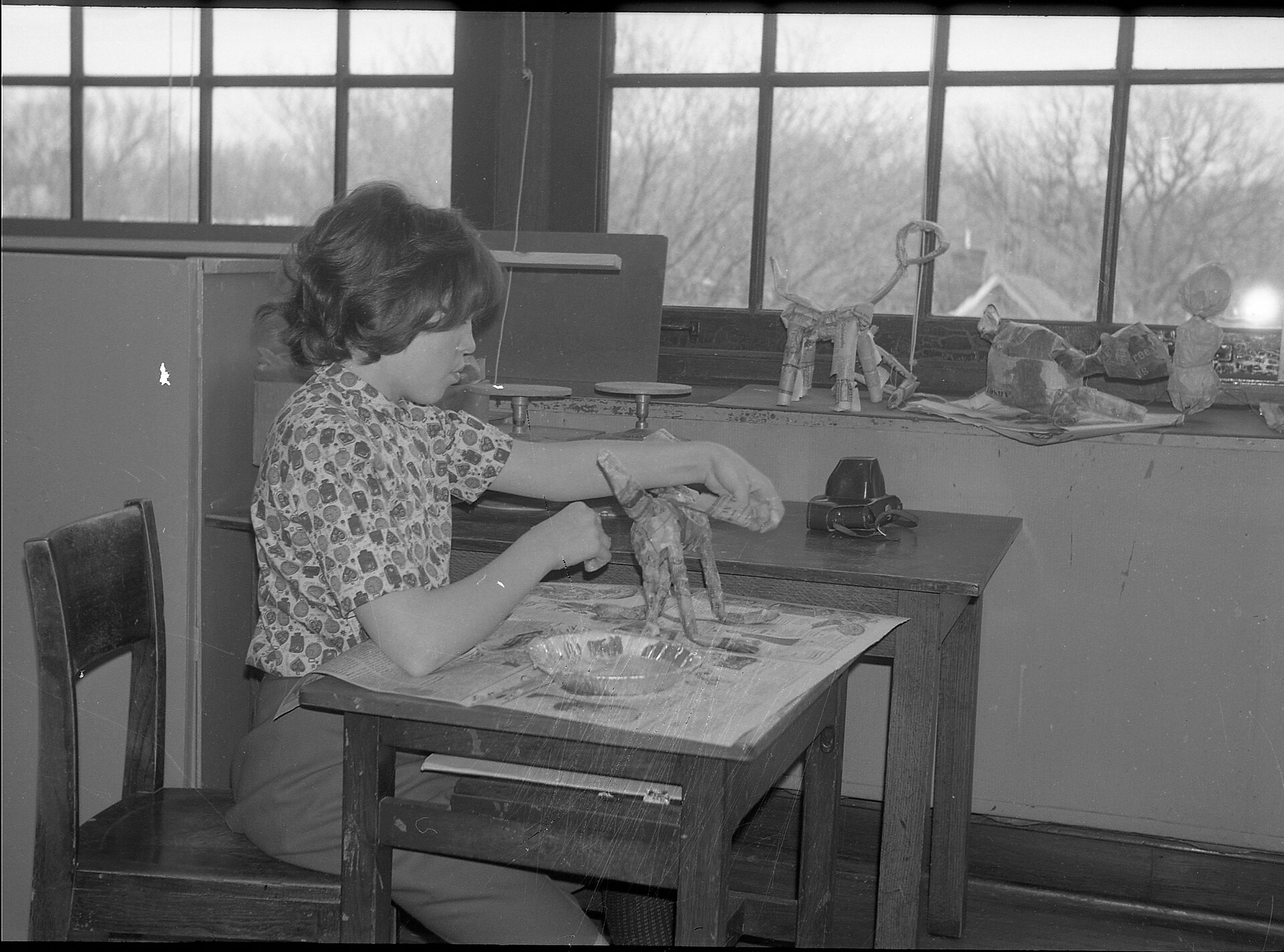
A public profile for an art educator has to do two jobs at once. It must show that you can teach, run a studio, and support learners, and it must show that you still make and think about work yourself. Curators, schools, universities, museums, and grant assessors read these two strands together, because the strongest educators tend to be practitioners who keep one foot in their own practice. A profile that only lists job titles leaves the reader guessing about your subject knowledge. A profile that only shows finished artwork hides the teaching skill that many roles now depend on.
This guide sets out how art educators can build a public profile that is specific, honest, and easy for others to check. The aim is not to inflate routine teaching into a grand statement. It is to make your experience clear and useful to the people who read it, whether they are hiring, funding, or inviting you to speak.
What a public profile for art educators includes
An art educator works in several settings: schools, colleges, universities, community workshops, museums, galleries, and private tuition. Each setting produces a different kind of evidence, and a strong profile brings them together in one readable place.
The core elements are usually your subject specialism, the age groups and levels you teach, the formats you work in, examples of your own practice, and any public work such as talks, workshops, or writing. You do not need all of these to begin. You need enough that a reader can tell what you actually do and where your strengths sit.
Clarifying your teaching practice and specialism
Teaching covers a wide range of work. A secondary art teacher, a university lecturer in printmaking, a museum learning officer, and a freelance workshop leader all educate, but their daily work and measures of success differ. A useful profile begins by naming your area of practice in plain terms.
A clear positioning sentence helps here. Saying that you teach observational drawing to adult learners, or that you run ceramics workshops for community groups, tells a reader much more than a general claim about supporting creativity. Ground the sentence in work you have already done rather than roles you hope to hold later.
When you describe a teaching role, give the context: the institution or setting, the level, the duration, and the subjects you were responsible for. This turns a job title into a record that others can understand.
Documenting teaching without exposing students
Teaching achievements are often the hardest to present, because the most telling evidence involves learners. Student work, exam results, and personal progress can be powerful, but they come with duties of care.
Explain your methods and your contribution rather than publishing private details. Describe how you structure a course, how you assess progress, how you adapt for different needs, or how you build a supportive studio culture. Where you show student work, secure written permission and follow the safeguarding and data protection rules of your setting. A short note that some evidence is withheld for these reasons reads as professional, not evasive.
Presenting your studio work alongside your teaching
Your own practice gives the profile depth. Curators and course leaders value educators who keep making, exhibiting, and thinking about their discipline. Present a focused selection of work rather than an exhaustive gallery, and explain the ideas and methods behind it.
Keep the two strands connected. If your teaching explores colour, composition, or material processes, your own work can show the same concerns. Linking practice and teaching makes the profile coherent and shows that your studio knowledge is current, rather than borrowed from a textbook.
Building visibility through talks, workshops and writing
A profile that nobody sees does little to build recognition. Share what you have learned in the places where other educators and artists gather.
You do not need to be everywhere. Pick one or two formats that suit you: a talk at a conference or museum, a workshop for peers, a written piece for a professional publication, or a contribution to a network or working group. Each appearance should offer practical value, such as a method, a reflection on a difficult problem, or a resource others can use. Keep your facts consistent across every platform, so your roles, dates, and specialisms match wherever they appear.
Keeping your record accurate over time
A credible profile is built slowly. The simplest way to keep it accurate is to record your teaching and practice while the details are fresh. At the end of each term or exhibition, note the dates, your exact role, what changed for learners, and any feedback you can use. Store these notes privately so you are not reconstructing years of work from memory.
Once or twice a year, review your public presence as a stranger would. Does it say at once what you teach and what you make? Can a reader tell your own contribution apart from that of a department or a team? Replace weak or outdated entries before adding new ones.
Practical checklist
- [ ] Write one clear sentence that names your teaching specialism and the learners you work with.
- [ ] List each teaching role with its setting, level, dates, and subjects.
- [ ] Show a focused selection of your own work with the ideas and methods behind it.
- [ ] Get written permission and follow safeguarding rules before showing any student work.
- [ ] Explain your teaching methods and your own contribution, rather than results alone.
- [ ] Share knowledge through a talk, workshop, or written piece in at least one setting.
- [ ] Keep roles, dates, and specialisms consistent across every platform.
- [ ] Review and update your profile at least once a year.
Contributing to BGTC Voice
Art education shapes how the next generation of practitioners sees materials, ideas, and audiences. If you have developed a method for running studio classes, documented a project that connected a school or museum with working artists, or found a clear way to keep teaching records without exposing students, BGTC Voice would like to hear from you. Send us practical, verifiable accounts of what worked and why.