
by Maria Bregman – founder and Editor-in-Chief of Creativitys.UK; writer, filmmaker, and UK Global Talent.
In corporate boardrooms, at international economic forums, and climate summits, discussions about mental health and resilience have become commonplace. Yet to understand what resilience truly looks like, one only had to stand beside the Great Lake at Blenheim Palace on 5–6 June 2026.
The birthplace of Sir Winston Churchill became the setting for the largest sporting event in the region’s history: Supertri Blenheim Palace. Churchill’s famous words, “Never give in,” seemed to echo throughout the estate as thousands of athletes challenged themselves across the iconic course.
For two days, I joined the Supertri team, Olympic champions, entrepreneurs, artists, and first-time competitors. It was one of the most energising sporting events I have experienced.
The opening day brought torrential rain, yet neither athletes nor spectators were deterred. Once the weather cleared, Blenheim transformed into a celebration of endurance. Families filled the grounds, vintage carousels turned beneath blue skies, and thousands of spectators cheered competitors they had only just met. The atmosphere combined elite sport with the warmth of a community festival.
More than 6,000 participants took part across the weekend. Here, triathlon proved to be more than a physical challenge. It became a lesson in determination, self-belief, and perseverance. This philosophy closely reflects the principles of sustainability: meaningful progress begins with individual commitment and the willingness to overcome obstacles.
Perhaps the most striking aspect of Supertri was the diversity of those standing on the same start line. Olympic champions raced alongside complete beginners. Investment executives competed beside artists, teachers, software engineers, parents, and retirees. They were united not by athletic achievement, but by a shared determination to reach the finish line.
Originally founded as Super League Triathlon, the organisation focused exclusively on elite racing. Created by CEO Michael D’hulst, investor Leonid Boguslavsky, and four-time world champion Chris McCormack, the series has since evolved into a global platform combining professional competition with mass participation.
Rather than remaining an elite-only sport, Supertri gained some major global community events. Currently, Blenheim runs the biggest UK triathlon festival, whereas the Chicago Triathlon invites many competitors yearly.
By providing sprint distances rather than the hard Ironman format, Supertri made triathlon open to nearly everyone. According to Communications Director Adam Leitch, over 6,000 athletes joined during the weekend across various race types. The group now plans to draw 30,000 participants each year, with 10,000 being first-timers.
For Michael D'hulst, top athletes stay vital since they race at peak levels and spark involvement plus build strong media stories. Still he kept coming back to one main point: Supertri's goal is not just to boost its business, but to grow the sport itself.
This philosophy also shapes its commercial partnerships. Companies such as UBS and Royal Bank of Canada bring teams to train and compete together under Olympic coaching, transforming corporate hospitality into shared physical experience. Sport becomes both a networking platform and a practical expression of wellbeing and sustainability.
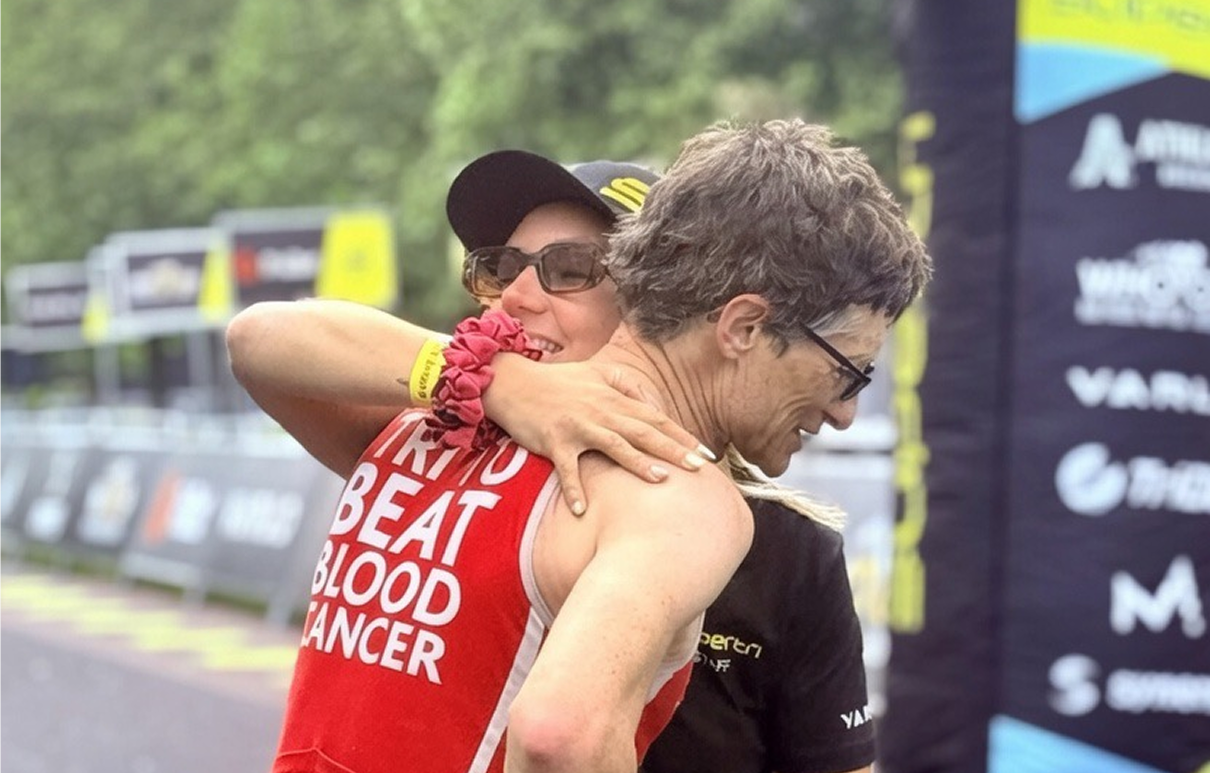
As a filmmaker, I was particularly interested in documentary storytelling. D’hulst believes inspiring personal stories remain triathlon's greatest strength. He recalled the story of a young Chicago athlete who returned to complete his first race after overcoming blood cancer. These stories, he explained, are what truly motivate others to believe that transformation is possible.
Around the course, I met participants whose experiences reflected exactly that message
Ray, approaching seventy years of age, was completing her fourteenth triathlon. She explained that the greatest challenge is never the body but the mind.
Artist Mimi Zouch returned to triathlon after serious injury and personal setbacks. She discussed staying physically active, especially for females past forty years old, describing Blenheim as a location where nature joins the experience.
Meanwhile, Olympic winner Jonny Brownlee finished ten sprint triathlons during two days, establishing a fresh Weekend Warrior record. Yet after talking with him later, his attention shifted away from medals toward fatherhood. Holding his small boy at the finish line, Brownlee considered that his goals had basically changed. Sport, he stated, is mainly about motivating others instead of just winning.
This spirit defines Supertri
The group keeps growing worldwide using a creative method mixing expert racing, amateur joining, digital progress, and green event handling. Instead depending only on TV viewers, it forms groups, makes tales, and pushes lasting involvement in sports.
As the weekend came to an end, one thought remained with me
Supertri is not merely organizing events. It is making moments that link people back to their bodies, their neighborhoods, and their personal strength. The biggest success is not finishing ahead of others, but finding out imagined barriers are usually much bigger than real physical ones.