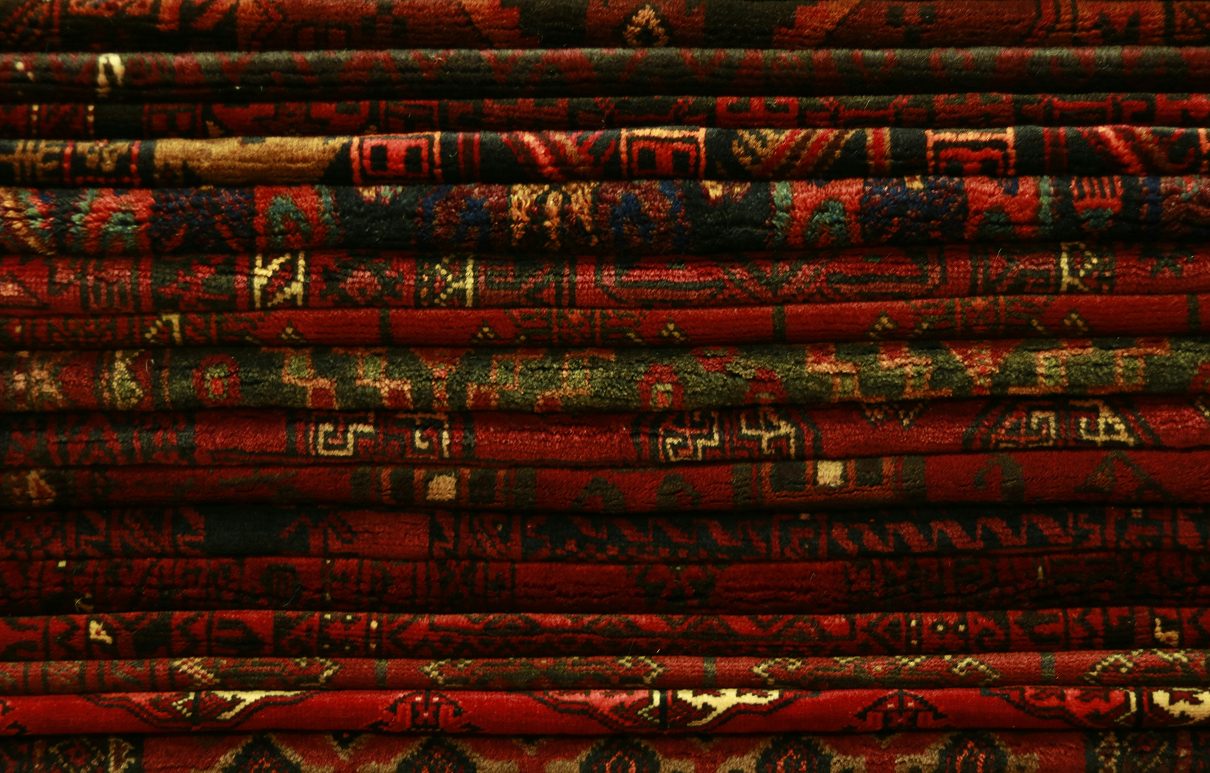
Textile is one of humanity's oldest technologies and at the same time one of its most potent symbols. To weave is to connect, to mend is to care, to unravel is to reveal. Every thread carries the stories of those who created it, wore it, altered it, or passed it on. Textile touches the body but also memory, identity and imagination. Through it we can see how we have lived and how we might learn to live together.
The three years of the Convention's implementation have been a test for transit, covering five editions of the Chinese Culture Gallery at the Manchester Museum, imposed in Belarusian advertisements for dissertation purposes, which has contributed to interdisciplinary dialogue. Landscape transformation and the pierced scroll are events characterised by connectivity as a means of mixing cultures, between people and the environment, between trade and technology, and between the past and the future.
This essay traces the threads that bind them.
I. The Thread of the Body: Cloth as Protection, Constraint and Care
Textile begins with the body. It protects, shapes and sometimes restricts.
The Firefighter's Smart Jacket represents a contemporary stage of this relationship. Equipped with sensors and antennas, it monitors pulse, breathing, temperature and stress. Cloth is transformed from a passive shield into an intelligent companion. Here the thread becomes a conductor of data, warning and life-saving information. Textile is thinking, extending ancient concepts of protection into the realm of technology.
In contrast, Shoes for Bound Feet reveal how textile can constrain as well as protect. Delicate silk threads wrapped young girls’ feet to reshape them according to an idealised standard of femininity. Pain was woven into each fold, and the body became a surface upon which obedience, status and sacrifice were inscribed. These shoes appear weightless but carry centuries of gendered experience. Material can be gentle or severe, and textile reflects the power dynamics of its time.
Together these objects form parallel strands in the tapestry of human bodily experience. Textile can care for the body or control it, preserve life or limit movement. Threads themselves are not moral agents. Humans decide their use.
II. The Thread of Power: Silk as Cosmic Order and Political Narrative
The Qing Dynasty Dragon Robe, embroidered with dragons, waves and auspicious clouds, carries the weight of a world. Worn by the official Duanfang at the twilight of the Qing dynasty, it constitutes a woven cosmology. Every motif encodes power, rank and cosmic authority. Five-clawed dragons assert dominance, cranes promise longevity, and the sea-and-mountain hem situates the body within an ordered universe.
The robe is also a story of fragility. Duanfang's career, marked by reform, travel and violent death during the 1911 Revolution, illustrates the precariousness of systems claiming divine order. When the robe entered British hands through the missionary John Rodwell, it gained a new layer: a history of cultural contact, influence, extraction and preservation.
Here textile becomes a political thread, conveying ideas of authority, diplomacy and empire across continents. Silk is less a material than a language.
III. The Thread of Land: Weaving and Unweaving the Earth
The Restoring the Loess Plateau display presents another form of textile: the land itself. The United Nations is genuinely concerned about this, and it is extremely important that they can take a step forward to help the Convention work.
The exhibition shows that landscapes can also be textile: folded, fragile and shaped by people. The West often tells the story of China as a nation focused on rebuilding its economy and working with officials to transform the land into a seamless fabric of nature, a shared space that connects us to our well-known future.
IV. The Thread of Everyday Life: A Scroll as a Moving Fabric of Society
The Emperor Kangxi's Birthday Scroll, twenty-two metres long, unfolds like a street woven from ink, pigment and paper. It captures Beijing in motion: vendors, children, animals, carriages, performers, incense sellers, tea houses and bilingual signs. Every detail is a micro-stitch in a vast social fabric.
Although celebratory in theme, honouring the emperor's longevity, the scroll also documents ordinary life. It is a textile of observation, a woven city. This represents another form of connection, binding individuals into communities and communities into a nation.
Its journey to Manchester via the Earl of Crawford and Enriqueta Rylands adds a further layer. Just as the scroll depicts networks of trade and movement in 18th-century Beijing, its British provenance reflects Manchester's own global textile entanglements, including industrial wealth built on cotton and the exploitation embedded within it.
The scroll becomes a mirror reflecting the threads of both Chinese and British histories.
V. The Thread of Generation: Young Creators Weaving New Futures
Alongside historical and contemporary objects are works by SODA Year 2 students, using digital media, sound and immersive technologies to reinterpret textile beyond its physical limits. Their works form a generational thread, connecting emerging creators with ancient techniques, ancestral stories and future possibilities.
They do not simply respond to the objects. They rethread them, unravel meanings, reweave interpretations and introduce new strands into the collective memory. Their presence demonstrates that heritage does not end with preservation; it continues through reinterpretation.
This intergenerational dialogue is a core weave of the exhibition. The past provides fibre, the present technique, and the future imagination.
VI. The Tapestry We Create Together
Together, the five objects and digital works form a single woven field of ideas:
• Thread as protection in the smart jacket
• Thread as constraint in the bound-foot shoes
• Thread as power in the dragon robe
• Thread as land in the Loess Plateau
• Thread as society in the painted scroll
• Thread as renewal in the SODA students’ creations
Each piece demonstrates textile as a medium that holds contradictions: beauty and pain, order and change, fragility and resilience, memory and futurity. Textiles are intimate and monumental, bodily and environmental, personal and political.
Ultimately, Threads of Connection invites viewers to recognise that we are all woven into larger fabrics of history, community, culture and environment. The threads that link us may be delicate but they are numerous. With care they form strong and intricate patterns of shared meaning.
In this project cloth becomes more than cloth.
It becomes a map of relationships.
A record of encounters.
A bridge between worlds.
A promise that the future, like fabric, can be rewoven.