
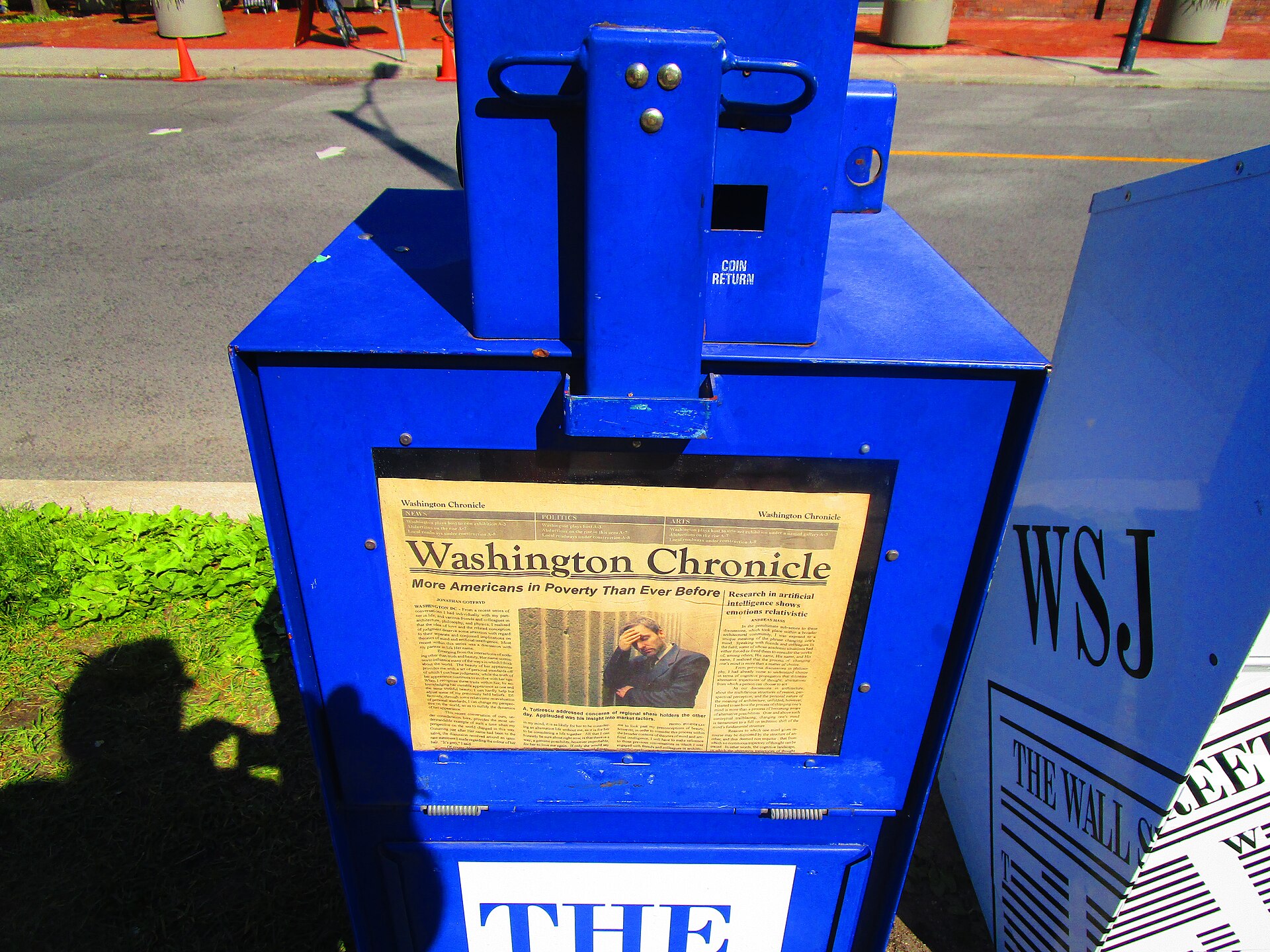
Paid media buys attention. Earned media borrows someone else's credibility. The two are often spoken about as if they were interchangeable parts of a publicity plan, and for reach they sometimes are. For reputation, they are almost opposites. One stops the moment the invoice stops. The other keeps working because another person chose to publish it.
That difference matters most at the moments when reputation is actually tested. It shows up when a client decides whether to trust you, a journalist checks your background, or an assessor weighs whether your recognition is real. This breakdown sets out what each type does, what it cannot do, and how the three broad categories of media fit together.
The three categories, defined plainly
Earned media is coverage you did not pay for and did not control. It includes a quoted comment in a trade publication, a review of your work, a mention in an industry report, an interview, or a third-party write-up of something you built. The defining feature is that an editor, producer, or researcher decided your contribution was worth including.
Paid media is space you buy. Advertising, sponsored articles, promoted social posts, and paid placements all sit here. You set the message and the timing, and you are renting the audience from whoever owns the channel.
Owned media is everything you control outright: your website, your newsletter, your profile pages, your press page. It reaches fewer people on its own, but it is the only place where the full picture lives and where you set the rules.
Much modern publishing blurs these lines. A sponsored piece can look like editorial, and a good press page can look like a marketing site. The blurring is exactly why readers, editors, and assessors have learned to look for labels: a sponsored tag, a byline, a disclosure line.
Why earned coverage carries more weight
When a reader sees a claim on your own site, they know you wrote it. When the same claim appears under another outlet's name, the outlet is putting something on the line. That transfer of trust is the whole point of earned media.
There is scarcity built into it as well. Nobody can buy a journalist's byline. To get a quote into a story, your expertise has to survive an editorial process that removes puffery by default. This is uncomfortable, but it is the reason earned coverage convinces people who are hard to convince.
Paid media has the opposite profile. It scales quickly and it is easy to measure, but its persuasive power is capped. A reader who recognises an advert discounts it. The discount is not total, since advertising still creates a degree of familiarity, but it rarely survives the plain question: does anyone independent agree?
What paid and owned media each do
Paid media is good at a specific job. It puts a message in front of a defined audience at a chosen moment. It can introduce a service, test which description of your work resonates, drive traffic to an interview you earned, or keep a name visible during a quiet period.
What it cannot do is stand in for proof. If every visible mention of your work is sponsored, the pattern becomes clear to anyone who looks closely. There is also a structural risk. The presence exists only while the budget exists, and when the spend stops, the footprint tends to shrink within weeks.
The sensible use of paid media is amplification of something real, not manufacture of something that is not there.
Owned media is often treated as the least interesting of the three, which is a mistake. It is the only channel where you can gather your earned proof in one place and present it properly.
A press page that lists real coverage, with links and dates, does more for a serious reader than a hundred promotional posts. The same applies to a professional biography, a speaker profile, or an about page. Earned coverage scattered across the internet is hard to assess; the same coverage organised on a page you control is easy to check.
Paid media can then point people toward that page. The order matters. Earn the proof, store it on owned media, and use paid media, sparingly, to widen the circle.
Reading the signals the way an outsider does
A journalist verifying a source, a client running a check, or an assessor reviewing an application tends to look for a few things in the same order. Is the coverage earned or sponsored? Is the outlet recognisable, or does it appear to exist mainly to publish paid articles? Does the same claim appear in more than one independent place? Can the person be found at all outside their own website?
These checks are quick to run and hard to fake. A profile that answers them without effort is usually built on earned media, filed carefully, and supported by a modest amount of paid reach. A profile that leans on paid placements tends to fall apart at the second question.
A simple way to balance the three
Start from earned. Build a small number of solid, factual footholds: an interview, a quoted comment, a review, a report that mentions your work. Keep them on a page you control, with accurate dates and working links. Then decide what, if anything, deserves paid support, and keep a note of what you spent and why. Review the balance once or twice a year. Ask which mentions would still be there if the advertising stopped, because those are the ones doing the reputational work.
Practical checklist
- [ ] Separate your mentions into earned, paid, and owned before drawing any conclusions about them.
- [ ] Prioritise a small number of factual, earned footholds over a large volume of paid placements.
- [ ] Label sponsored content clearly, on your own channels as well as in the places you pay for.
- [ ] Build a page you control that lists real coverage with accurate dates and working links.
- [ ] Use paid media mainly to widen the reach of coverage you have already earned.
- [ ] Check each claim against the question of whether any independent source would repeat it.
- [ ] Record what you spend on promotion and what it was meant to achieve.
- [ ] Review the balance once or twice a year, and let sponsored presence lapse when it stops adding value.
Contributing to BGTC Voice
Understanding how reputation is actually built is useful only when it is applied to real work. If you have tested a communications route that produced durable recognition rather than short-lived attention, writing for BGTC Voice lets other practitioners learn from it. Submissions should be grounded in direct experience, avoid promotional framing, and leave out confidential commercial detail.