
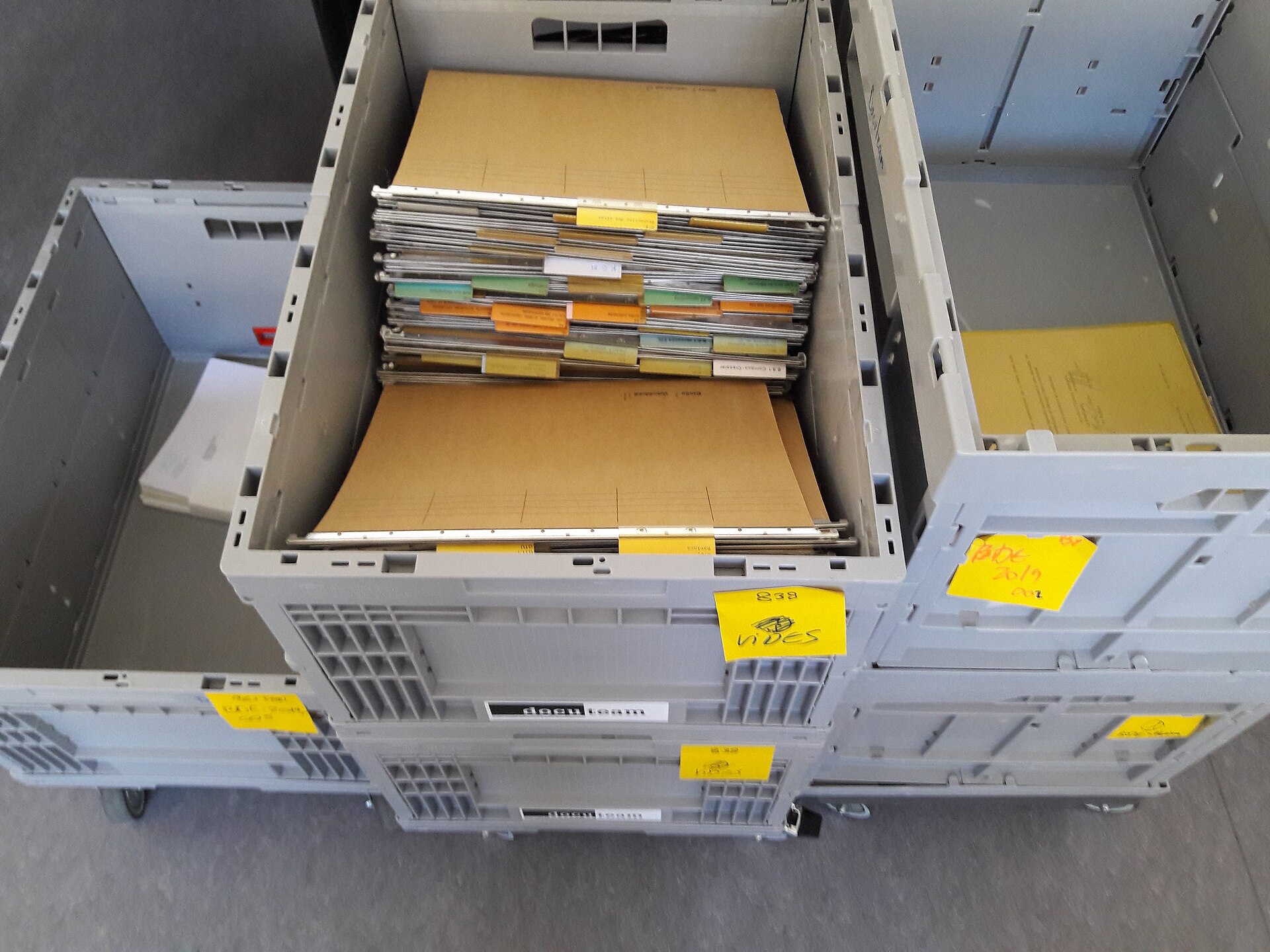
An artist's career produces a steady stream of material that is easy to lose: a review in a local paper, a prize announcement, a panel discussion, a workshop you taught, a radio interview. Individually these items may seem small. Collected over several years, they form the record that grant assessors, residency panels, and journalists rely on when they decide whether to back your work.
An archive turns scattered links and clippings into evidence you can find and use at short notice. It also protects you when a website goes offline or an outlet removes an old page. This checklist explains what to keep, how to organise it, and how to keep it safe.
Why an artist archive matters
Applications to funding, residencies, and exhibitions often ask for proof of recognition, rather than a bare list of claims. A well-kept archive lets you answer those requests quickly and accurately, with dates, titles, and sources that can be checked.
An archive also helps you tell your own story. When you can see your record across years, patterns emerge that are hard to notice in the moment: the themes you return to, the audiences you reach, and the milestones that mark real progress.
What to keep
Start with the material that carries the most weight for assessors: press coverage, awards, talks, exhibitions, and teaching. Press includes reviews, features, interviews, and listings in recognised publications and outlets. Awards include prizes, shortlistings, grants, and residencies. Talks and events include conference papers, panel appearances, public lectures, and workshops.
Keep supporting evidence too: exhibition catalogues, invitations, posters, and any recordings of your events. Where a piece of work enters a collection, keep the confirmation. These smaller documents often fill the gaps that a simple list leaves open.
A consistent folder and naming structure
The value of an archive depends on being able to find things. Use one clear structure and apply it everywhere. A simple approach is a main folder divided by year, with subfolders for press, awards, talks, exhibitions, and teaching.
Name files so the contents are obvious at a glance. A format such as date, type, and source keeps a folder sorted and readable without opening each file. Save a PDF or an image of any web page you reference, because links change and pages disappear.
Capturing press and interviews
When you appear in the press, capture it straight away. Save the full article as a PDF or a clear screenshot, and note the publication, the journalist, the date, and the specific subject. Record the exact title and, where you are quoted, keep the quotation as it was printed.
Collect the original link as well as the saved copy. The link shows the source is real, while the saved file protects you if the page is later taken down. If you appear in broadcast media, note the programme, the date, and your contribution.
Formatting evidence for applications
When you prepare an application, pull the strongest items together rather than sending everything. Group them by type, put the most relevant first, and add a short line explaining why each item matters. A tidy, focused selection reads far better than a large, undifferentiated pile.
Recording awards, talks and events
Awards are easy to record while fresh and hard to reconstruct later. Keep the announcement, the citation if there is one, and any certificate or letter that confirms the award. Note the awarding body and the year.
For talks and events, keep the programme, your title or topic, the date, and the venue. If there is a recording, store it and note where it sits in the archive. For teaching, keep the course outline and the dates, and respect any confidentiality rules that apply to your students or employer.
Backups, access and privacy
An archive that exists in only one place is vulnerable. Keep at least one copy in cloud storage and one on a separate drive, and check that both still work now and then. Give the files clear names so a colleague or an assessor could follow them without your help.
Treat personal and confidential material with care. Store private documents, correspondence, and any data about students or collaborators securely, and share only what is appropriate for a given application. The goal is a record that is thorough, accurate, and safe to use.
Practical checklist
- [ ] Set up one main archive folder divided by year and by type of evidence.
- [ ] Save press coverage as a PDF or screenshot as well as keeping the original link.
- [ ] Record the publication, journalist, date, and subject for every press item.
- [ ] Keep award confirmations, citations, and the awarding body for each recognition.
- [ ] Store talk and event programmes with your title, date, and venue.
- [ ] File teaching records with course dates and follow confidentiality rules.
- [ ] Back up the archive in the cloud and on a separate drive.
- [ ] Review the archive each year and remove anything outdated or duplicated.
Contributing to BGTC Voice
A well-kept archive is more than administration; it is the evidence base behind every application and every opportunity you are invited to take up. If you have built a system for storing press, awards, or talks, or found a clear method for preparing evidence for assessors, BGTC Voice would like to hear from you. Send us practical, verifiable approaches that help other artists keep an accurate record of their career.