
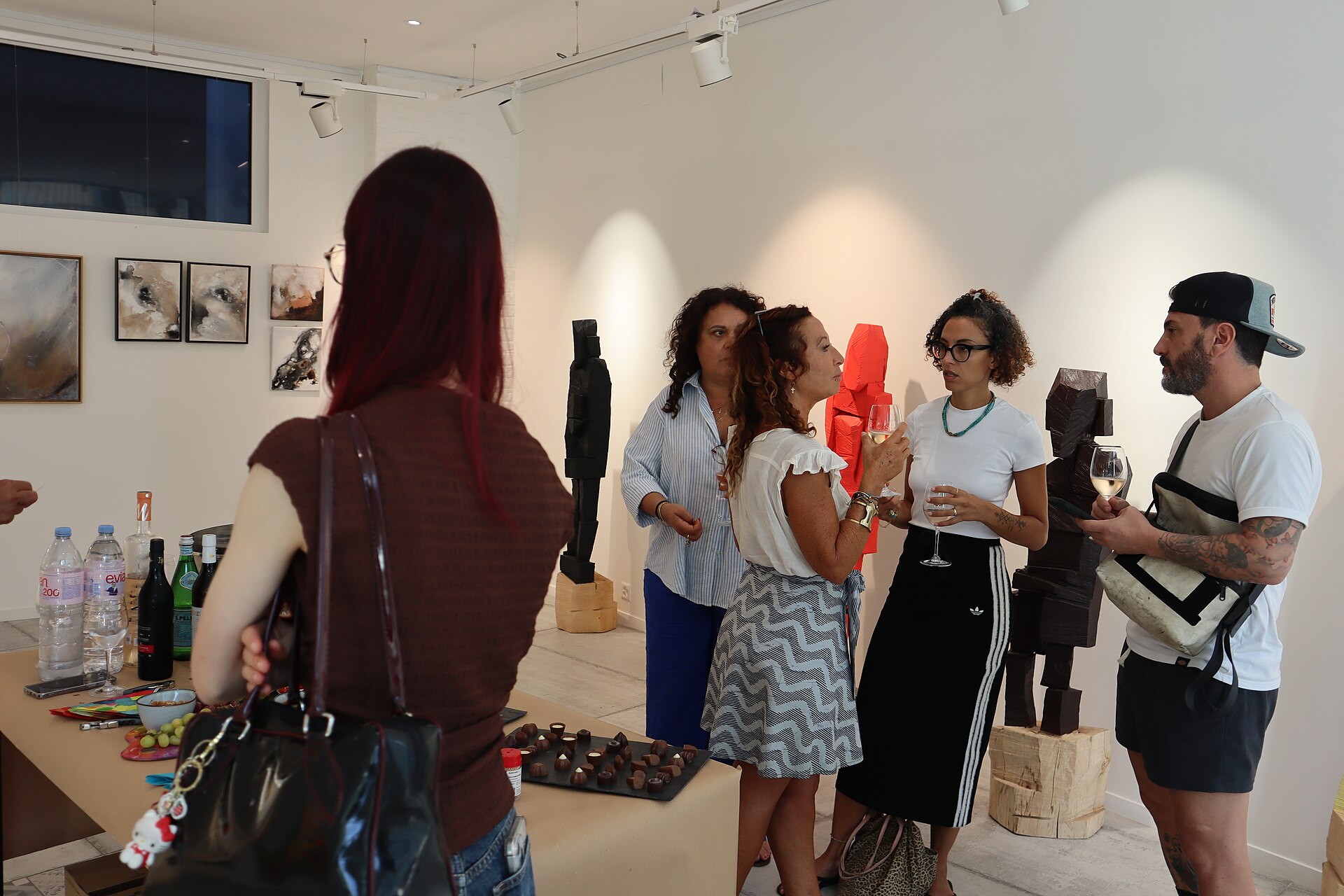
Group exhibitions are one of the most accessible ways to build a public record as an artist. They are usually organised through open calls, small galleries, artist-led spaces and annual shows, and they judge a single body of submitted work rather than an entire career. Being selected is rarely about being the best artist in the room. It is about being the right artist for a particular show, and about making the decision easy for whoever is choosing.
This guide explains how selection tends to work, how to read a call properly and how to prepare a submission that gives your work the best chance of being understood. It avoids promises, because no method guarantees a place, but it sets out the habits that experienced artists rely on.
Understanding how open calls are judged
Panel decisions are shaped by constraints as much as by taste. A curator may be building a show around a theme, filling a specific space, balancing media or responding to a funding condition. Your work can be strong and still not fit, and that is not a verdict on its quality.
Understanding this changes how you apply. You are not asking to be judged in isolation. You are offering a piece that answers a question the organiser has already posed. The closer your submission responds to that question, the easier it is to select.
Matching your work to the call
The most common reason for rejection is a mismatched application. Artists send their best work rather than their most relevant work. Before applying, read the call again and note the theme, the medium, the scale of the venue, the deadlines and the artist fee or costs. If the venue cannot show a large installation, a large installation is not the right submission however good it is.
Reading the brief closely
A well-written brief states what the organiser wants. Look for the theme and how strictly it is interpreted, any limits on medium or size, whether the work must be new or made within a certain period, and how many pieces you may submit. Note whether the show is curated around a single idea or is more open. Match your selection to the brief, and if a call is genuinely unsuitable, save your effort and apply elsewhere.
Preparing a submission that is easy to assess
Judges work through many applications in a short time. Clarity is a kindness that also helps your odds. Name your files exactly as instructed, keep the number of images within the limit and order them as the call requests. Use good documentation, so the work is legible on a screen.
Write a short statement that connects your submitted work to the theme, in plain language. Avoid claiming influence or importance you cannot support. If the call asks for a biography or a CV, keep it factual and consistent with your other records. Where the submission asks how the work would be installed, or what space it needs, answer specifically, because technical clarity signals that you would be straightforward to work with.
Deliver everything before the deadline and in the format requested. Late or malformed submissions are often set aside without being read, however strong the work.
Building a track record one show at a time
Selection tends to reward a visible pattern. Start with smaller, well-run shows, including artist-led and community projects, where the standard of organisation is clear and the record is genuine. Each genuine exhibition adds to your documented history and gives you material for future applications.
Keep a record of every show you take part in, with dates, venue, works shown and your role. This history becomes part of your professional profile and supports applications for larger opportunities, grants and residencies later on. Official guidelines from the organiser should always be your source for what qualifies and what does not.
Handling rejection and follow-up
Most applications will not succeed, and that is normal at every stage of a career. A rejection usually reflects fit, timing or space, not a final judgement. Read the feedback if any is offered, note anything useful, and move on without adjusting your work to please a single panel.
If a call or a curator's project interests you, it is reasonable to follow their future opportunities and apply again with more suitable work. Some organisers welcome a polite, brief note of thanks when you are not selected, but keep it short and do not ask for a place. Building a steady, honest record over several years does more for selection chances than any single application.
Practical checklist
- [ ] Read the full call and note theme, medium, size limits and deadlines.
- [ ] Submit work that fits the brief rather than your personal favourite.
- [ ] Follow the file naming, image count and format rules exactly.
- [ ] Use clear documentation so the work reads well on a screen.
- [ ] Write a short, factual statement linking the work to the theme.
- [ ] Keep your biography and CV consistent with your other records.
- [ ] Record every show and your role for future applications.
- [ ] Treat rejection as a matter of fit and apply again where suitable.
Contributing to BGTC Voice
Selection is easier to navigate when artists share how the process actually works. If you have taken part in group shows, whether as an exhibitor or an organiser, BGTC Voice welcomes practical accounts of what a strong submission looks like and what organisers really need. Keep examples general, respect any confidentiality, and focus on methods other artists can use.