
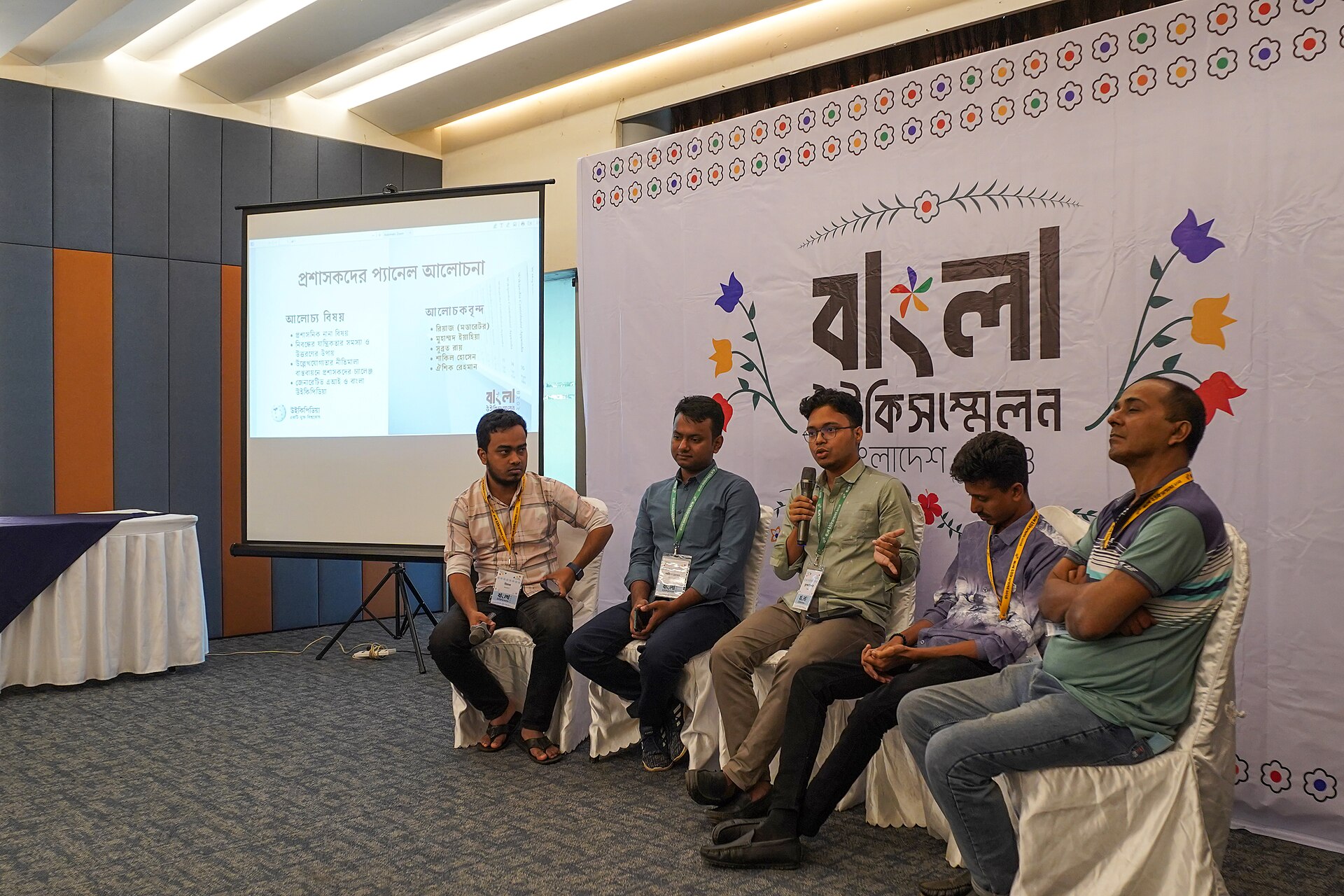
Serving on a jury or a working group is one of the quieter ways an expert builds standing in a field. There is usually no stage, no audience, and no applause. The work happens in meeting rooms and shared documents, where a group of practitioners reviews entries, drafts standards, or advises on policy. Yet the effect on a professional reputation can be considerable, because the role signals that a discipline trusts you to judge the work of others fairly.
This guide explains what these roles involve, what organisers look for, and how to earn an invitation, whether you are a designer, an engineer, a researcher, or a founder. It treats the process as one of contribution rather than self-promotion, because that is how selection committees tend to see it.
What juries and working groups do
A jury assesses. It might review award entries, grant applications, competition shortlists, or admissions. Its members read or view submissions against published criteria and then deliberate until they reach a decision that can be justified. A working group is different. It builds something: a standard, a code of conduct, a curriculum, a policy position, or a set of recommendations. The two roles overlap, since both depend on judgement, discretion, and a willingness to commit time.
Both settings reward the same qualities. Organisers need people who will read the material, show up prepared, argue their case without steamrolling others, and keep the outcome in view. The prestige of a title on the invitation matters far less than the reliability of the person who accepts it.
What organisers look for in members
Selection committees are assembling a group, not collecting a list of famous names. They usually balance several needs at once: technical depth, representation across subfields, a mix of career stages, and sometimes geographical or sector spread. A committee that already includes three corporate lawyers may be looking specifically for an academic or a sole practitioner.
Beyond expertise, organisers weigh temperament. A juror who cannot change their mind makes deliberation painful. A working group member who misses meetings shifts the workload onto everyone else. When committees assess candidates, evidence of prior service counts more than raw seniority, because it shows that someone has already learned how collaborative judgement works.
Building the record that earns a place
Invitations rarely arrive without a visible record. The record is built from small acts of service that accumulate over time. Reviewing conference submissions, mentoring through a professional body, speaking at community events, or writing for respected publications all show that you engage with the field beyond your own projects. None of these is a formal application for a jury seat, but each makes your name familiar to the people who hand them out.
It also helps to make your expertise legible. A concise public profile that states what you work on and where you have contributed gives a committee something concrete to evaluate. When your work is scattered and unnamed, a busy organiser has little to go on. Clarity here is a service to the people doing the selecting, not a boast.
Finding and approaching opportunities
Opportunities surface through several channels. Professional bodies advertise openings to their members. Award organisers publish calls for jurors alongside their entry deadlines. Standards bodies and policy consultations invite expressions of interest. Sector newsletters, conference websites, and university departments also post vacancies. The common thread is that these openings are usually announced quietly, so following the right sources matters more than searching occasionally.
When you approach an organiser, keep it short and specific. Name the role, say why your background fits the group's current need, and mention any relevant prior service. Do not overstate your availability; a jury term can run for a year or more, and a promise you cannot keep damages the relationship. If you are declined, ask politely whether there will be openings in future, since a positive, low-maintenance impression often leads to a later invitation.
Contributing well once you are selected
Once you are on the inside, the work is mostly about discipline. Read everything before the meeting. Form your own view before you hear the group's, so that you are not simply echoing the loudest voice. Prepare to justify your judgements against the published criteria rather than personal taste, since a decision that cannot be explained weakens the whole process.
Speak early if you disagree, but separate the substance of a disagreement from the person making the opposite case. Chairs value members who move a debate forward, summarise competing positions accurately, and help the group reach a decision it can defend. Volunteer for the unglamorous tasks, such as drafting notes or checking eligibility, because reliability is the quality that gets you invited back.
Managing conflicts and confidentiality
Two obligations sit above all others. The first is confidentiality. Jury deliberations, unpublished submissions, and draft standards are private, and disclosing them can harm applicants and undermine the process. The second is conflict of interest. If an entry or a decision touches a client, an employer, a collaborator, or a competitor, declare it at once and step back from that part of the discussion. Organisers expect this and respect members who raise it themselves.
Making the service count over time
Service on a jury or working group is rarely lucrative, and it often competes with paid work. It is worth doing because it deepens your understanding of a field, connects you with people who take the discipline seriously, and gives you a direct hand in shaping its standards. Over years, a pattern of fair, well-prepared service becomes a durable part of your professional identity, one that speaks to judgement as much as achievement.
Keep a private record of the roles you take on: the organisation, the term, the nature of the work, and whether the outcome was published. This record is useful when you later write a profile or an application, and it helps you avoid overcommitting. Choose fewer roles and serve them well.
Practical checklist
- [ ] Decide whether you want to judge work, build standards, or both.
- [ ] Match your background to the specific need of the group you approach.
- [ ] Build a visible service record through reviewing, mentoring, and speaking.
- [ ] Follow professional bodies, award organisers, and consultations for openings.
- [ ] Write short, specific approaches that name the role and your fit.
- [ ] Declare conflicts of interest immediately and step back where needed.
- [ ] Treat deliberations, submissions, and drafts as strictly confidential.
- [ ] Keep a private log of roles, terms, and outcomes to guide future choices.
Contributing to BGTC Voice
Judging work fairly and helping a field set its own standards are habits that deserve a wider audience. If you have served on a jury or shaped a working group, BGTC Voice invites you to write about the method and the lessons, without disclosing anything confidential. Such accounts help other professionals understand how these roles work and why they matter.