
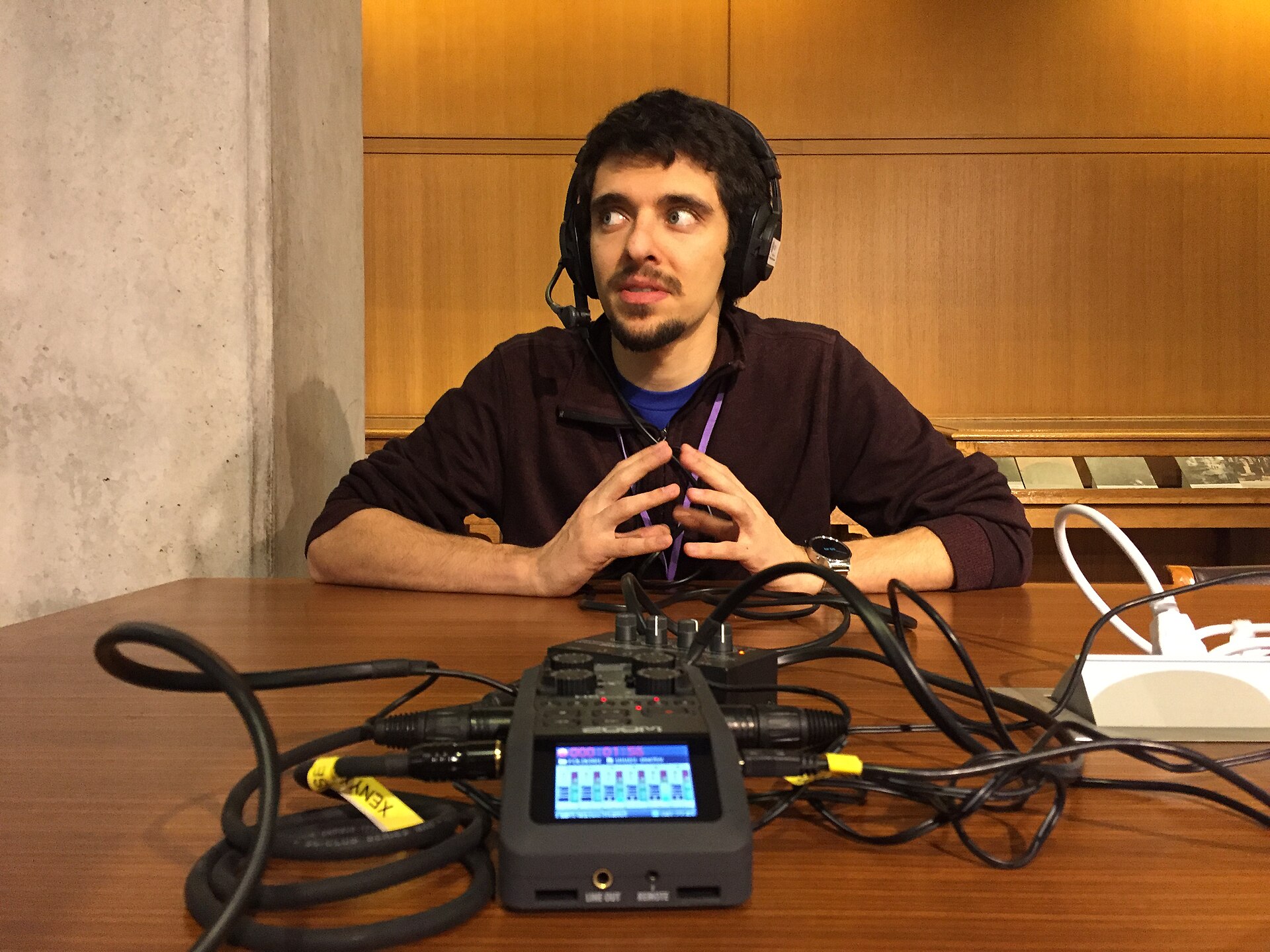
A small podcast built around a narrow, expert subject can do something social media rarely achieves: it shows how you think across a whole conversation, not in a single post. It can attract peers, clients and collaborators, and it produces a library of recordings you own. It can also quietly consume time for months if it is planned badly.
This checklist is for launching a modest show that fits around a working life. It assumes a single host, or two, and an audience measured in hundreds or thousands of the right people rather than a mass market.
Choose a narrow subject and a defined audience
The shows that endure tend to serve a specific audience with a specific need. An interview with interesting people is not a subject; operations questions for early-stage founders is. A narrow focus makes it clear who should listen, easier for guests to accept an invitation, and simpler for you to sustain.
Write down one sentence describing who the show is for and what they get from it. If you cannot, the subject is not yet clear enough to record. You can always broaden later; starting narrow is far easier than the reverse.
Design a format you can keep
Most small podcasts fail not from a lack of listeners but from an unsustainable format. Decide the length, the rhythm and the structure before episode one. A thirty-minute conversation published every two weeks is far more likely to survive than an hour-long production every week.
Choose a repeatable structure: a short introduction, a set of regular questions, a closing segment. Repetition is not laziness; it reduces your preparation time and gives listeners a familiar shape they can rely on.
You can also record more than one episode in a single sitting, which suits guests who travel or keep a crowded diary. Batching holds the setup cost down and builds a small buffer of finished episodes, so a busy fortnight does not break your publishing rhythm. Keep that buffer modest, though, so the show still reflects what you are thinking about now rather than months ago.
Set up recording and publishing
You do not need expensive equipment. A reliable microphone for each speaker, a quiet room and a simple recording tool cover most small shows. If you interview remotely, use a service that records each speaker locally, so a poor connection does not ruin the audio.
A transcript of each episode is worth producing, both for accessibility and because it gives search engines and readers a way into the conversation. You can publish it alongside the audio on your own site, where you control the formatting, and it doubles as material you can adapt into a written article later.
Choosing where the show will live
Publishing a podcast means producing an audio file and an RSS feed, which most hosting services generate for you. You add your show to the main directories, and they pick up each new episode from the feed. Take a little time to write clear episode titles and descriptions, because that is how people find your show through search.
Book and prepare guests
Guests are the engine of most interview shows. Invite people whose work you can describe accurately and whose audience overlaps with yours. Approach them with a short message that names the show, the topic and the time commitment, and send a brief with the questions you plan to ask.
Do not send a script. A guest who reads from notes sounds flat, and the conversation loses the exchange that makes it worth listening to. Send themes instead, and let the guest know they can decline any question.
Promote without overclaiming
A new show grows slowly, so resist the pressure to overstate its reach. Share each episode with the people most likely to value it, invite guests to share it with their own audience, and keep a consistent publishing schedule. Consistency does more for growth than a single promotional push.
Stay honest about your numbers. Describing a small, engaged audience accurately is more credible than implying a scale you do not have, and credibility is what draws the guests and partners you actually want.
Decide whether to continue
Set a review point, perhaps after ten episodes, and look at whether the show is meeting the purpose you set at the start. That purpose might be reaching a specific audience, developing your own thinking, or building relationships. If it is working on those terms, continue. If it is consuming time without any return you value, it is reasonable to stop or change the format.
A discontinued show is not a failure. It is evidence that you tested an idea and made a decision based on what happened.
Practical checklist
- [ ] Write one sentence defining the audience and the value of the show.
- [ ] Choose a length and schedule you can sustain without strain.
- [ ] Fix a repeatable episode structure before recording the first one.
- [ ] Set up reliable microphones and local recording for remote guests.
- [ ] Publish through a host that provides an RSS feed and directory listings.
- [ ] Invite guests with a short message stating the topic and time commitment.
- [ ] Share episodes honestly, without overstating your audience.
- [ ] Review progress at a set point and decide whether to continue.
Contributing to BGTC Voice
Running a small podcast builds the same habits a strong article requires: a clear subject, a prepared guest or reader, and an honest account of what the work shows. If your show has developed a practical method worth recording in text, BGTC Voice invites you to contribute. Submissions should be factual, useful and free of claims you cannot support.