
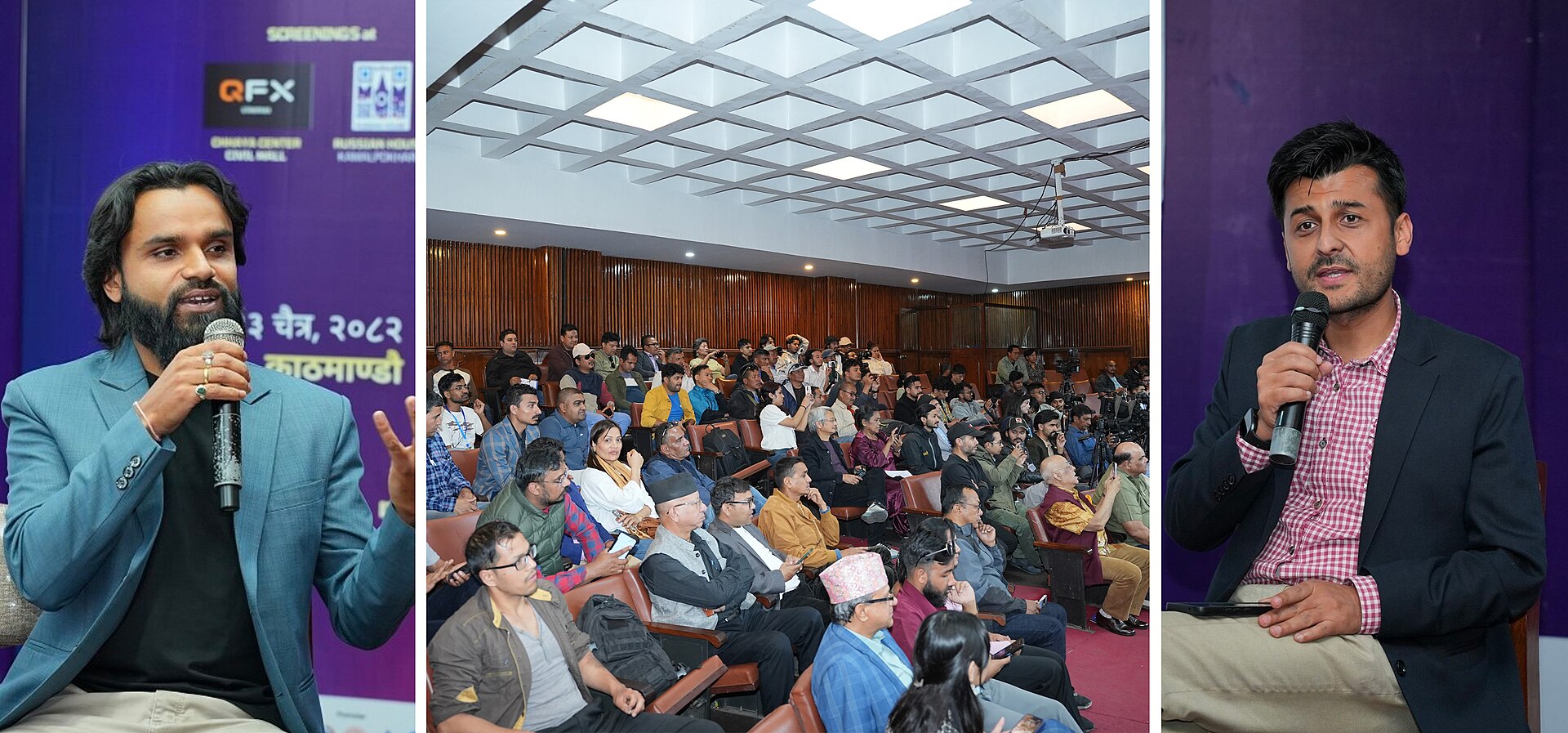
A panel looks effortless from the audience. Several experts sit on a stage, a conversation unfolds, and the audience leaves with a clearer picture of a difficult subject. Almost nothing about that outcome happens by accident. A panel is a designed event, and the person who designs it is the moderator. The speaker on the far left may hold the sharpest ideas in the room, yet without a moderator who creates the conditions for those ideas to surface, the session drifts into a series of disconnected monologues.
Moderating is a craft with its own skills: research, structure, timing, listening, and a willingness to stay largely invisible. This framework applies to a conference plenary, a trade association session, a university symposium, or an internal leadership forum. The format changes with the setting, but the underlying method holds.
What moderation actually requires
Organisers often treat the moderator as a ceremonial host who reads out names and watches the clock. The role carries three distinct responsibilities. The first is editorial: shaping what the session is about and keeping the discussion on that subject. The second is relational: managing several distinct personalities so each has room to contribute and none dominates. The third is practical: keeping time, handling logistics, and closing in a way that leaves the audience with something usable.
These duties pull against one another. A moderator who intervenes too often breaks the flow; one who intervenes too little lets the loudest voice set the agenda. Good moderation is a series of small judgements about when to step in and when to let a thread run. That judgement improves with preparation, which is why the work begins weeks before the event.
Defining the purpose and the throughline
Before writing a single question, fix the purpose of the session in one sentence. Is the goal to survey a field, to challenge a consensus, or to compare approaches to a shared problem? A panel with no stated purpose will produce a pleasant, forgettable hour. A panel built around a clear question tends to produce disagreement, and disagreement is what makes a discussion worth attending.
From the purpose comes the throughline, the thread that connects every segment. If the throughline is how regulators and founders negotiate risk, then every question should test that relationship from a different angle. The throughline also gives the moderator a way to rescue a conversation that has wandered, since a simple reminder of the shared question can bring the room back to the point.
Selecting and briefing panellists
A strong panel is not a collection of impressive titles. It is a set of complementary perspectives chosen to illuminate the throughline. Aim for difference: a practitioner and a critic, an operator and an academic, someone from a large organisation and someone from a small one. Sameness produces agreement, and agreement produces boredom.
Once the panel is confirmed, brief each speaker directly. Explain the purpose, the throughline, the running order, and the time each person will have. Ask what they intend to cover so you can avoid repetition and spot gaps. Tell them the format, whether there are questions from the floor, and how they should signal that they want to speak. A fifteen-minute briefing call removes most of the confusion that derails live sessions.
Writing a question flow that opens a conversation
Questions are the moderator's main instrument, and the best ones are prepared in advance even if they are never read out. Structure the flow in three movements. Begin with a broad question that each panellist can answer briefly, which settles nerves and lets the audience learn who is who. Move to a second movement of sharper, more specific questions that force comparison and reveal where the panel genuinely disagrees. Close with forward-looking questions about what should change and what the audience should watch.
Write more questions than you can use. Have a handful of backup prompts ready for a lull, and a couple of harder questions for a discussion that has become too comfortable. Open questions that begin with how or why generate richer answers than questions that can be answered with a single word.
Managing the room and the clock
Time is the resource that panel discussions most often waste. Allocate a rough budget for each movement and check the clock silently rather than announcing it. If one speaker consistently overruns, use polite redirection: thank them, summarise their point in a phrase, and hand the question to someone who has not yet spoken.
Balance is the harder task. Quiet panellists are not necessarily disengaged; they may be waiting for a clear opening. Address a question to a specific person by name, which gives them both permission and a prompt. If two speakers begin to argue past each other, restate both positions fairly before inviting a response, since an accurate summary often cools a heated exchange.
Handling difficult moments and closing well
Panels occasionally go wrong. A speaker may drift into a sales pitch, make a claim the others dispute, or raise a subject that is off limits for legal or ethical reasons. Prepare for these in advance. Decide how you will interrupt a commercial monologue, how you will move past a contentious tangent, and how you will protect any panellist who is being talked over. Calm, brief interventions work better than dramatic ones.
The close deserves as much attention as the opening. Reserve the final few minutes for a short synthesis: what the panel agreed on, where it disagreed, and what remains unresolved. Audiences remember a clear conclusion far longer than a stream of individual answers. Thank the panellists, point to any follow-up material, and end on time.
Practical checklist
- [ ] State the purpose of the panel in one sentence before any other planning.
- [ ] Define a throughline that connects every segment and question.
- [ ] Choose panellists who offer genuinely different perspectives.
- [ ] Brief each speaker on the purpose, format, timings, and running order.
- [ ] Draft a three-movement question flow plus backup prompts.
- [ ] Set a rough time budget for each movement and monitor the clock.
- [ ] Prepare a calm plan for sales pitches, disputes, and off-limit topics.
- [ ] Reserve time for a short synthesis that closes the session clearly.
Contributing to BGTC Voice
Moderating a panel well means turning a group of experts into a genuine exchange of ideas, and the skill transfers directly to written work. If you have designed sessions that produced real insight, or learned hard lessons from one that did not, BGTC Voice welcomes contributions that explain the method behind the room. Practical accounts of preparation and facilitation help other professionals run better conversations.