
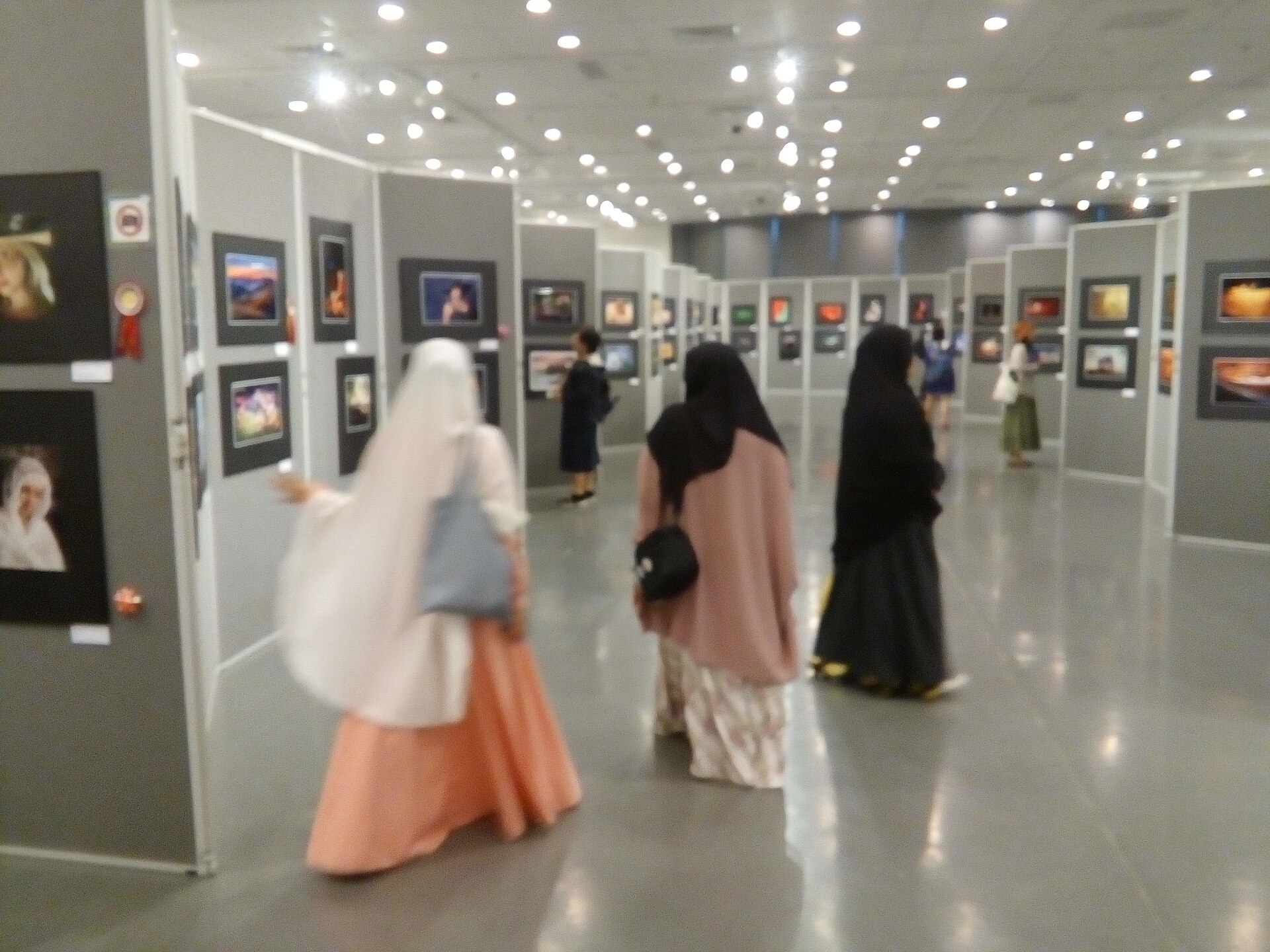
An exhibition description is a short piece of writing that tells a reader what a show was, what it contained, and why it mattered. It appears in catalogues, on gallery walls, in press releases, on your own website, and in application packs. Written well, it turns a bare credit into evidence of a coherent practice. Written carelessly, it adds lines without adding meaning.
What an exhibition description is for
A description has three jobs. It identifies the exhibition precisely, so a reader can find and verify it. It explains the thinking behind the work, so a reader understands what you were doing. And it places the show within your wider practice, so a reader sees progression rather than a random list of events.
Different audiences need different emphasis. A grant assessor wants to understand your research and your role. A gallery visitor wants an accessible entry point. A journalist wants a clear angle and accurate facts. The same core description can serve all three if you keep the language precise and the claims checkable.
Length should match the setting. A wall text may run to eighty or a hundred words. A catalogue entry or a website page can carry two to four hundred. A short database caption might be a single sentence.
Starting from the facts
Every description should open from the factual record, not from interpretation. Before writing a word of commentary, gather the essentials: the full title of the exhibition, the venue and city, the dates, the curator or organiser, the number and nature of works shown, and your exact role.
Write these facts in plain sentences first. It is far easier to add reflection to a clear factual base than to extract facts from a paragraph of atmospheric writing. This discipline also keeps you honest, because a claim that cannot survive the facts will not survive an assessor's check either.
Explaining the work without overclaiming
The explanatory part of a description should tell a reader what the work is made of, what ideas drove it, and what decisions shaped it. Plain description of materials, scale and process often communicates more than abstract statements about meaning.
Avoid inflated claims. Words such as groundbreaking, revolutionary or world-leading are almost impossible to justify and immediately invite doubt. Instead, describe what the work does and how it does it. If a project explored a specific theme, say what that theme was and how the work addressed it. If it responded to a site, explain the relationship between the work and the place.
Equally, avoid the opposite problem of saying so little that the description could apply to any exhibition. Specificity is what makes a description useful. Name the materials, the method, the question the work was asking.
Placing the show within your practice
A strong description connects the exhibition to the trajectory of your work. It might explain that a show continued a line of inquiry begun in an earlier project, or that it marked a shift in materials or scale. This context helps an assessor see deliberate development rather than isolated events.
When you reference earlier work, keep the connection factual. Explain what carried over and what changed. Do not imply a level of institutional recognition or critical attention that you cannot point to. A calm, accurate account of how one project grew out of another is more persuasive than a list of unverifiable achievements.
Adapting one description to different settings
Once you have a well-structured master description, adapt it rather than rewriting from scratch each time. Keep a short factual version for captions and databases, a medium version for websites and catalogues, and a longer version for applications where you need to explain process and context.
Consistency across these versions matters. Titles, dates, venues and roles should never conflict. Keep your master facts in one document and update it whenever a show changes or closes. This single source of truth saves time and prevents the small inconsistencies that undermine an otherwise strong record.
Working with a gallery or curator on the text
Many exhibition descriptions are written with a venue rather than for yourself. Galleries and curators often ask the artist for biographical and technical information, then edit it into the house style. The clearer the material you supply, the less chance there is that the final text drifts away from the facts.
Supply your facts in a form that is easy to check and reuse: a short biography, correct titles with dates, a list of materials, and a plain summary of the work. Mark clearly which statements are facts and which are interpretation, so an editor knows what must not be altered. If the venue publishes the description, read it before it goes to print and correct anything that misrepresents the work or your role. A politely worded factual correction is normal and welcome.
Practical checklist
- [ ] Gather the full facts first: title, venue, city, dates, organiser and your role.
- [ ] Write a plain factual summary before adding any interpretation.
- [ ] Describe materials, scale and process concretely rather than in abstract terms.
- [ ] Remove inflated claims such as groundbreaking or world-leading.
- [ ] Explain how the exhibition connects to your wider body of work.
- [ ] Prepare short, medium and long versions for different contexts.
- [ ] Keep titles, dates and venues identical across every version.
- [ ] Update your master description whenever a show changes or ends.
Contributing to BGTC Voice
Clear exhibition writing helps peers, curators and assessors understand a practice quickly and fairly. If you have developed methods for describing shows, structuring catalogue texts, or keeping a consistent factual record across platforms, BGTC Voice invites you to share practical approaches that other artists can apply.