
The more consequential UK technology story this year is no longer which model performs best on a benchmark. It is who is building the compute to run these systems at scale, who is writing the rules for using them, and who is being allowed to test them on a public road. All three are moving at once, and the headlines covering each rarely mention the other two.
The compute
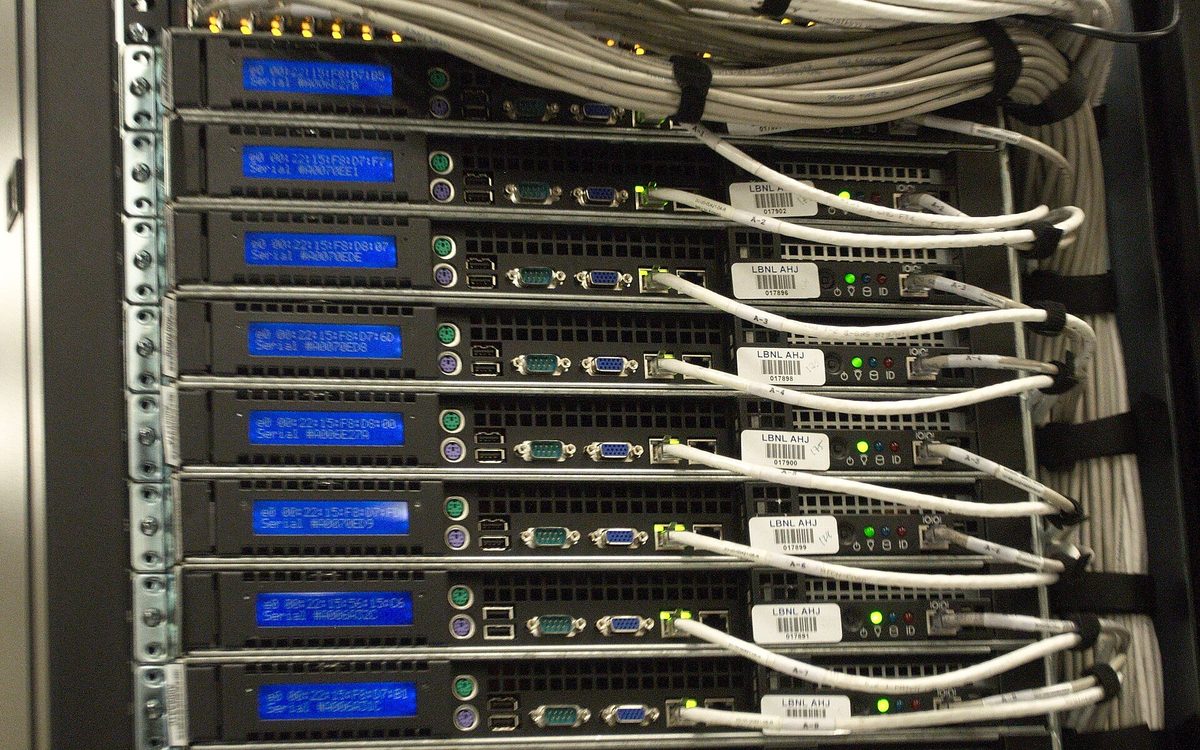
Nvidia and its partners have committed to building AI infrastructure — what the industry now calls “AI factories” — on UK soil, with plans that would put up to 120,000 GPUs in Britain by the end of 2026. The work is split across several named projects rather than one site: Stargate UK, established with Nscale and OpenAI, with an initial offtake in the region of 8,000 GPUs and scope to scale several times over; a Microsoft and Nscale supercomputer at Loughton built around more than 24,000 Grace Blackwell Ultra GPUs to serve Azure customers in the UK; and a CoreWeave data centre in Scotland running on renewable power.
The significance is less the hardware count than the location. Compute that sits in the UK is compute that UK companies, universities and regulators can reach on domestic terms — a different proposition from renting capacity in another jurisdiction.
The rules
On 6 July 2026 the Financial Conduct Authority published the Mills Review, led by its executive director Sheldon Mills, examining how AI could reshape retail financial services by 2030. Its most notable conclusion is a negative one: it does not recommend AI-specific regulation, nor wholesale reform of the existing framework. Instead it sets out seven priority recommendations and takes seriously the prospect that consumers will increasingly meet financial services through AI intermediaries rather than dealing with firms directly.
For anyone tracking how the UK intends to govern this technology, that is a clearer signal than a white paper: a major regulator looked at its own sector for a year and concluded the existing rulebook, applied attentively, is the instrument.
The road test
Since 22 May 2026 companies have been able to apply to run self-driving taxi, bus and private hire services on UK roads — the first time British legislation has opened that door to operators. Waymo, the UK's own Wayve, Baidu and the ride-hailing platforms working with them are lined up for passenger trials, with further consultation on the regulatory framework expected in the second half of the year and full regulations anticipated in 2027.
Few things test claims about autonomous systems as directly as putting one in charge of a vehicle carrying a passenger through London traffic.
Read together
Infrastructure investment, sector-specific regulatory thinking and a live public deployment are advancing in the same country in the same year. For a company deciding whether the UK is somewhere to build or merely somewhere to sell, that combination is the more useful picture — not a single announcement, but the compute, the rules and the road tests all moving at once.