
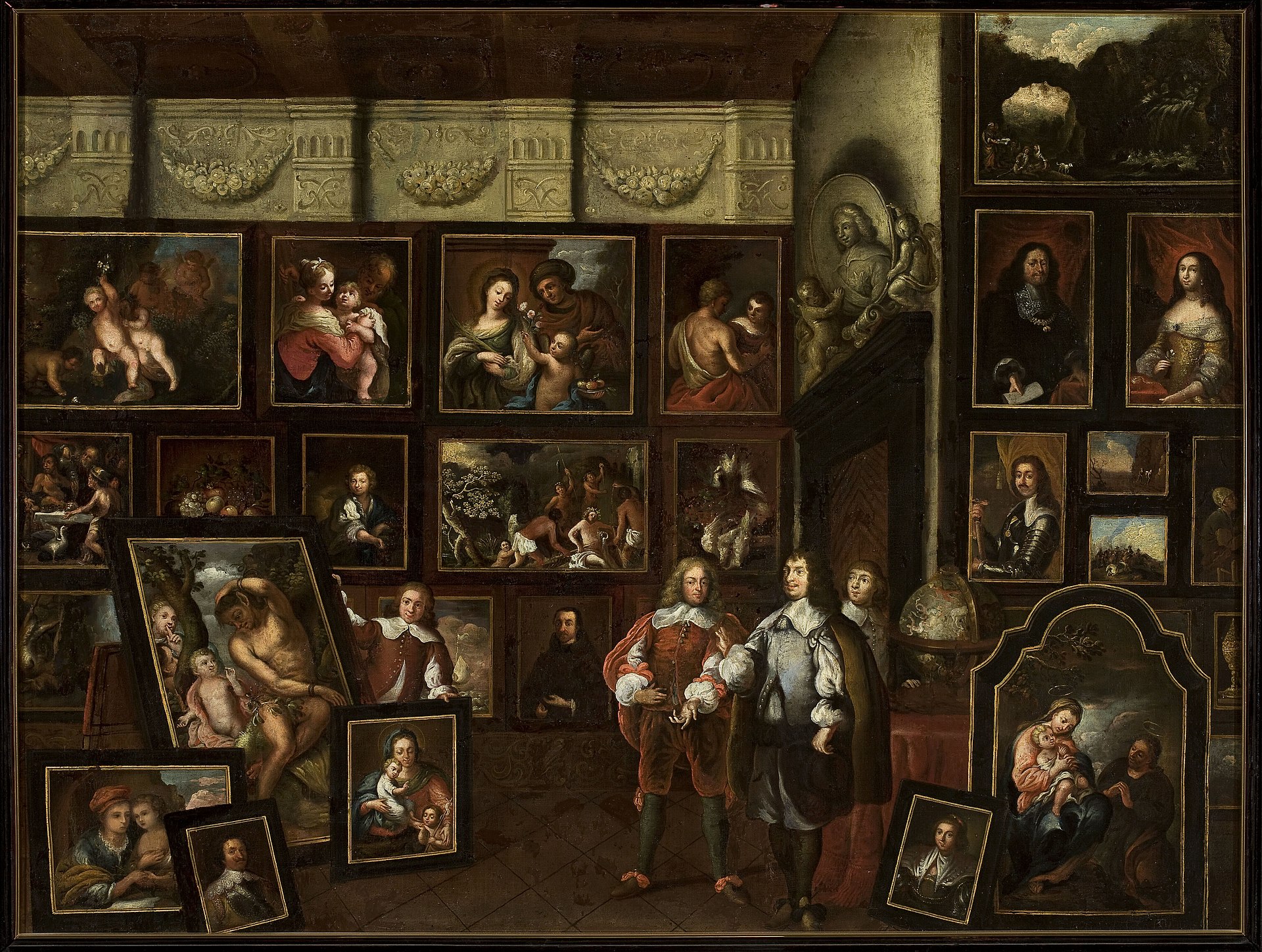
Working with Galleries on Contracts and Expectations
- Redaktor
- Category: Voice
Working with a gallery can open doors to collectors, curators, and press that are difficult to reach alone. It can also create confusion if the terms of the relationship are never written down. Many disputes between artists and galleries come down to assumptions: who holds the work, who pays for shipping, when the artist is paid, and what happens if a work is damaged or unsold.
A written agreement, a clear inventory, and a willingness to ask direct questions before anything is signed will prevent most of these problems. This checklist sets out what good gallery relationships tend to include. It is general guidance, not legal advice, and you should take independent legal advice for any agreement that matters to you.

CC Forum London 2026: what we know about the 14th Global Session
- Redaktor
- Category: Voice
From 27 to 30 October 2026, London will host the 14th Global Session of CC Forum London, one of the largest international forums dedicated to sustainable development, investment and new technologies.

Age Diversity in Startup Teams: Turning Experience into an Operating Advantage
- Redaktor
- Category: Voice
Assembling a founding or early operating team with a wide distribution of ages can endow a young enterprise with a resilient balance of strategic judgement, specialised functional skills, and diverse commercial networks. Yet such operational benefits do not materialise spontaneously through the mere juxtaposition of birth years on a company register. A venture that pairs early-career technical specialists with executives who have navigated several corporate cycles can just as easily succumb to communication friction, duplicated workstreams, or a culture where junior colleagues defer uncritically to the most senior voice in the room. The genuine operational challenge lies in converting divergent professional backgrounds into systematic collaboration: establishing transparent mechanisms for decision-making, codifying institutional knowledge into repeatable processes, and ensuring that strategic contributions are evaluated on verifiable empirical evidence rather than generational preconceptions.
Chronological age represents only a solitary facet of a professional's identity and capability. Two colleagues of identical age may possess entirely dissimilar industrial backgrounds, risk tolerances, financial commitments, and experiences of organisational change. Treating age diversity as a diagnostic prompt to investigate what each team member understands and requires – rather than as an analytical shortcut for predicting technical aptitude, ambition, or work habits – enables early-stage businesses to gain substantial operating advantages.

How to Price Artwork for First Sales
- Redaktor
- Category: Voice
Pricing your own work for the first time is often harder than making it. There is no single correct figure, and the number you choose carries several meanings at once: it speaks to your costs, your standing, and the audience you hope to reach. Many artists either underprice out of nerves or overprice without a method behind the figure.
A sound approach does not rely on instinct alone. It combines a clear understanding of your costs, a chosen method, and a realistic view of the market you are selling into. This guide explains those methods and points to the official and advisory sources that can help. It does not promise any particular result, because pricing depends on factors only you can assess.
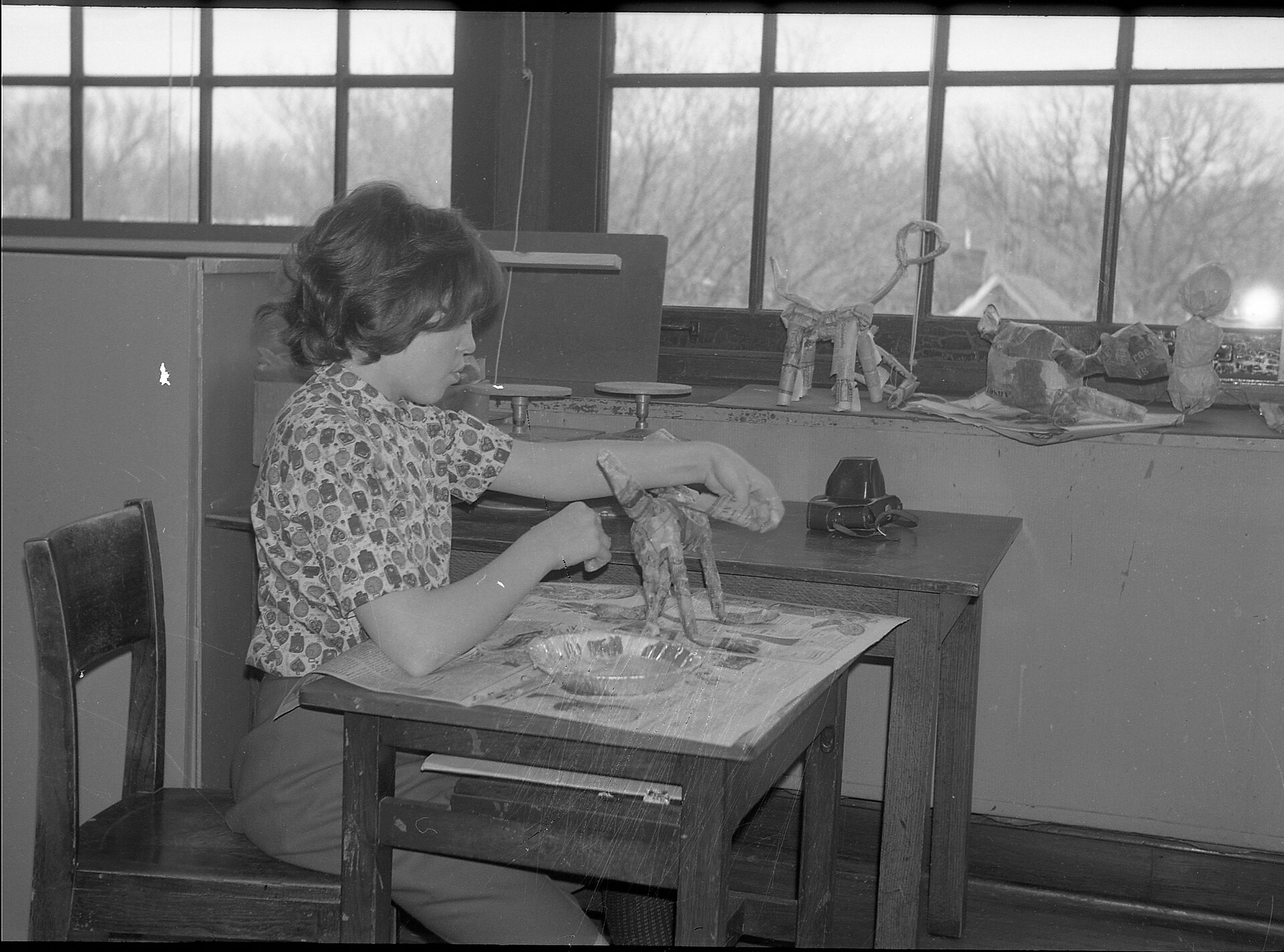
Building a Public Profile as an Art Educator
- Redaktor
- Category: Voice
A public profile for an art educator has to do two jobs at once. It must show that you can teach, run a studio, and support learners, and it must show that you still make and think about work yourself. Curators, schools, universities, museums, and grant assessors read these two strands together, because the strongest educators tend to be practitioners who keep one foot in their own practice. A profile that only lists job titles leaves the reader guessing about your subject knowledge. A profile that only shows finished artwork hides the teaching skill that many roles now depend on.
This guide sets out how art educators can build a public profile that is specific, honest, and easy for others to check. The aim is not to inflate routine teaching into a grand statement. It is to make your experience clear and useful to the people who read it, whether they are hiring, funding, or inviting you to speak.
Page 21 of 46