

How to Prepare for a High-Stakes Business Meeting
- Redaktor
- Category: Voice
In executive management, the substantive consequences of a high-stakes business meeting routinely extend far beyond the single hour allocated in a corporate diary. Whether convening an investment committee, evaluating an enterprise partnership, determining capital allocations for the next financial year, or addressing a significant regulatory roadblock, the outcome of such deliberations can redirect organisational momentum for months. Yet thorough preparation does not guarantee instant harmony or universal assent. Rather, its genuine function is to ensure that participants utilise finite executive time with discipline, scrutinise critical operating assumptions, and conclude the session with a transparent, documented record of agreed determinations and individual accountabilities.
A common failure in executive preparation lies in assembling stakeholders around ambiguous titles such as "strategic update" or "partnership dialogue". Encounters framed so loosely invariably dissipate into wide-ranging commentary, courteous introductions and speculative possibilities without resolving the underlying business friction. A purposeful gathering demands an explicit operational mandate: deciding whether to commission an independent feasibility study, comparing two conflicting technical delivery models, or approving the commercial terms required to launch a regional pilot. The appropriate level of ambition must be calibrated against the verifiable evidence available and the formal authority held by individuals in the room.
How to Run a Peer Critique Session That Helps Work
- Redaktor
- Category: Voice
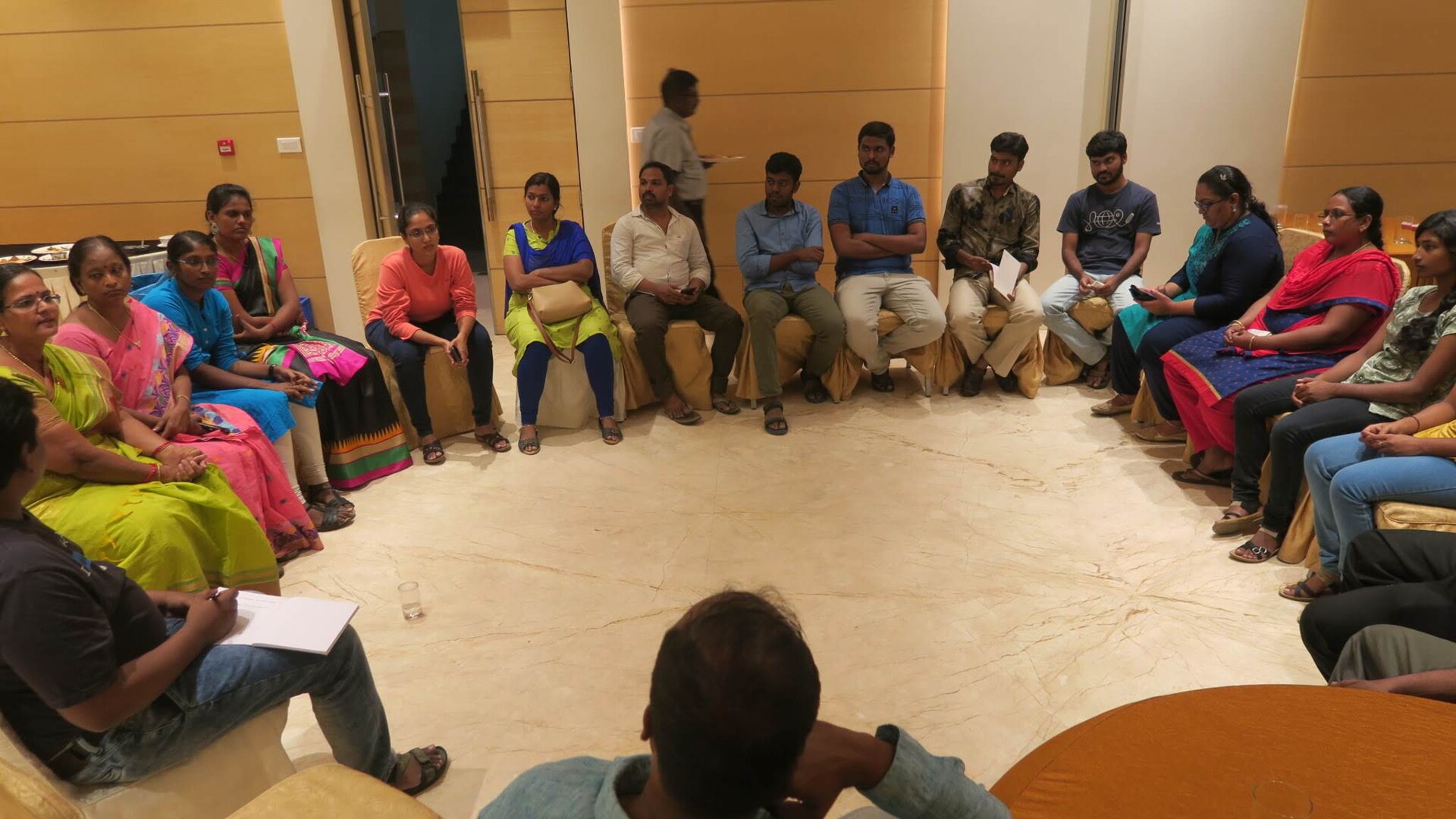
A peer critique session can be the most valuable hour in a creative professional's month, or it can be an uncomfortable ritual that leaves everyone politely bruised and no further ahead. The difference rarely comes down to the talent in the room. It comes down to how the session is designed: who speaks, in what order, with what focus, and what happens after the feedback lands.
Critique works best when it is treated as a method rather than a conversation. A clear structure protects the maker from an avalanche of scattered opinions and protects the reviewers from the temptation to show how clever they are. This guide sets out how to run a session that produces usable information and leaves the work stronger.
How to Start a Local Professional Meetup
- Redaktor
- Category: Voice
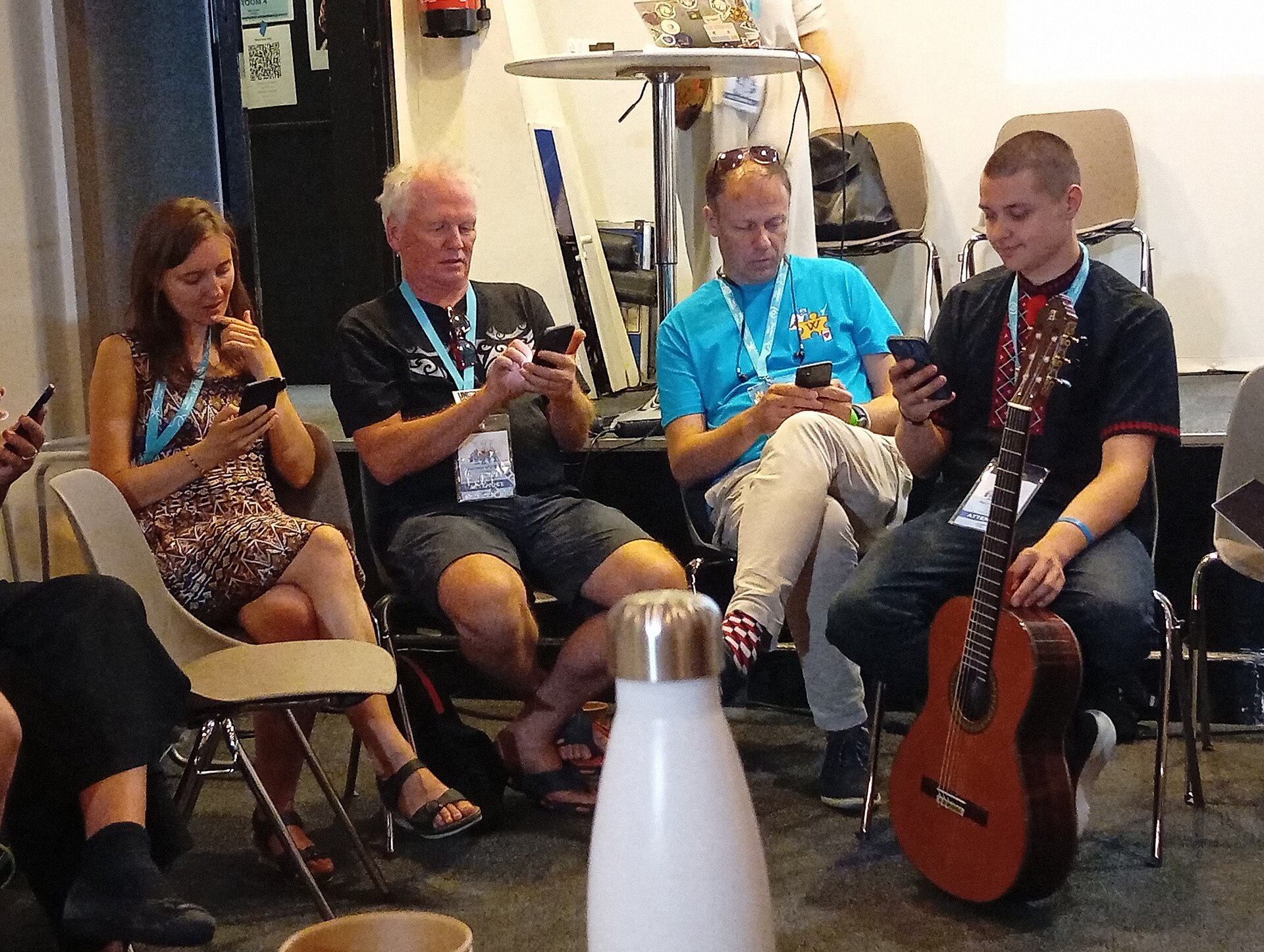
A local professional meetup is one of the simplest forms of community to build and one of the easiest to let collapse. It needs no large budget and no formal structure, but it does need a clear purpose, a predictable rhythm and a small number of people willing to do the unglamorous work of arranging a room and inviting others. Done well, it becomes a durable part of a city's professional life. Done carelessly, it produces one well-attended launch and then silence.
This guide treats starting a meetup as a practical project. It covers purpose, format, venue, recruitment, the first few sessions and the decision about whether to grow. The aim throughout is a gathering that survives past its first evening, because the value of a professional meetup comes from repetition rather than from any single event.

A Founder’s Guide to Negotiating a B2B Partnership
- Redaktor
- Category: Voice
There is an enduring temptation among early-stage founders to view a commercial partnership with an established enterprise as a transformative prize. In the enthusiasm of early discussions, the prospect of securing access to a large enterprise customer directory or displaying a prominent brand logo on a website can easily overshadow practical operating considerations. Yet commercial agreements that appear attractive during introductory presentations frequently founder when operational teams attempt to deliver them. Without rigorous definition, joint commercial initiatives can rapidly generate unforeseen administrative friction, dilute internal focus, and divert scarce engineering and management hours away from core paying clients.
A viable business-to-business partnership begins with a disciplined assessment of whether both commercial entities share a genuine operational purpose. Thereafter, the negotiation must translate broad aspirations into defined contributions, clear governance frameworks, objective diagnostic indicators, and an orderly mechanism for pausing or concluding the collaboration. Founders who approach negotiations by uncovering unspoken operational assumptions early protect their company from entering commitments that their current resources cannot support.

How to Be a Useful Community Member
- Redaktor
- Category: Voice
Joining a professional community is easy. Paying a subscription takes a few minutes, and the welcome email arrives the next day. Being genuinely useful to that community is a different matter, and it is the difference that decides whether membership returns anything of real value over the years. A room full of passive members produces very little. A room full of contributors produces referrals, collaborations and the kind of trust that is difficult to buy.
The habits that make someone useful are not elaborate. They rest on understanding what the community actually needs, giving before asking, and staying reliable over time. This guide sets out a practical way to move from being someone who joined to being someone the community would miss.
Page 17 of 46