

Supertri at Blenheim Palace
- Redaktor
- Category: Voice
by Maria Bregman – founder and Editor-in-Chief of Creativitys.UK; writer, filmmaker, and UK Global Talent.
Building a Public Profile as a Curator
- Redaktor
- Category: Voice
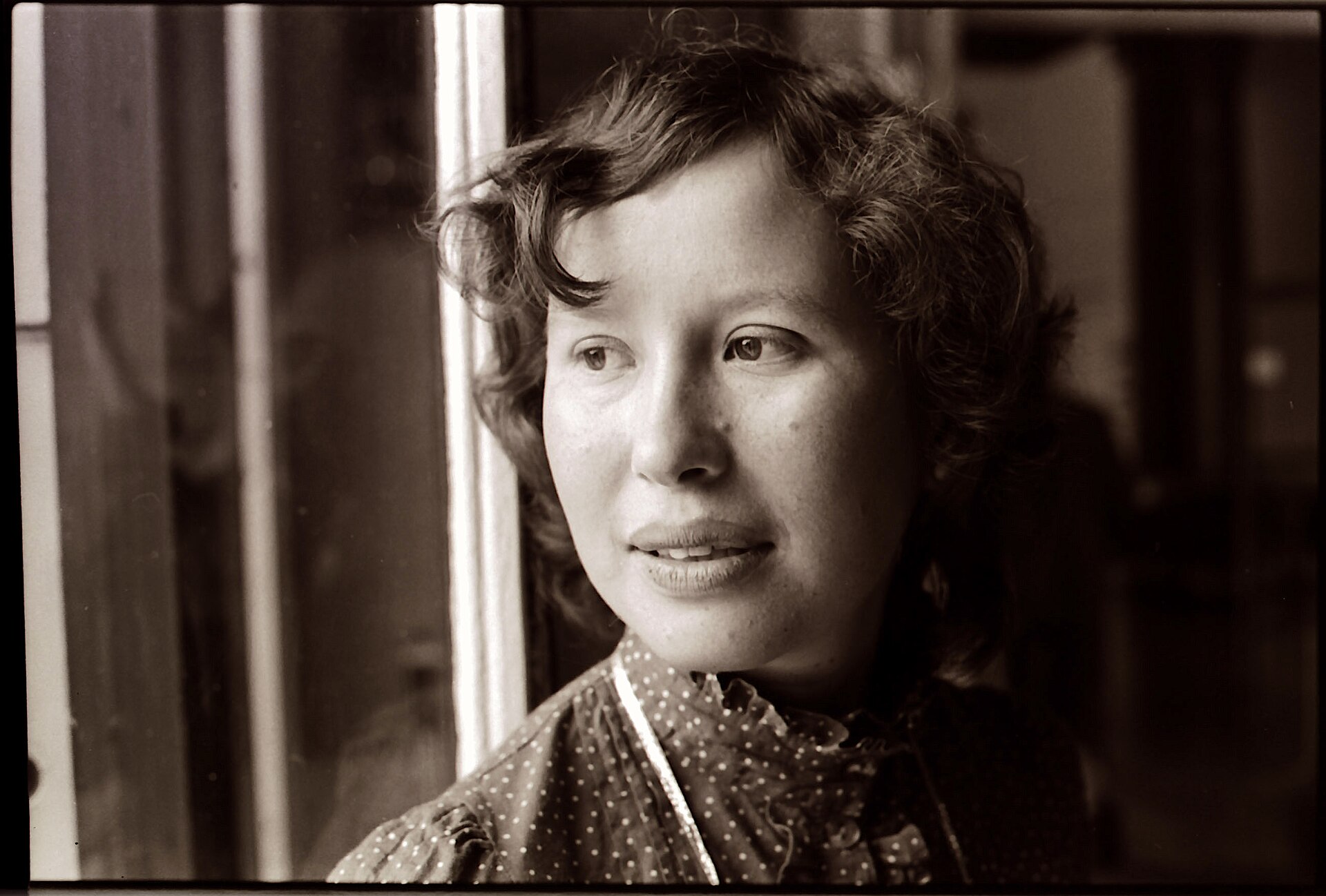
A curator works mostly through other people's material. The exhibition, the catalogue, and the programme carry the public credit, while the reasoning behind them often stays in the gallery's files. That is why a curator's public profile needs a particular kind of clarity. It has to show what the exhibition demonstrates about the judgement behind it.
The work itself is the evidence. A well-built profile gathers finished projects into a record that a peer, a museum, or a funding assessor can read. It explains the idea behind a show, the way it was delivered, and how the curator's hand shaped it, without turning the account into a claim that the curator made the art.
Managing a Distributed Team Across Time Zones and Cultures
- Redaktor
- Category: Voice
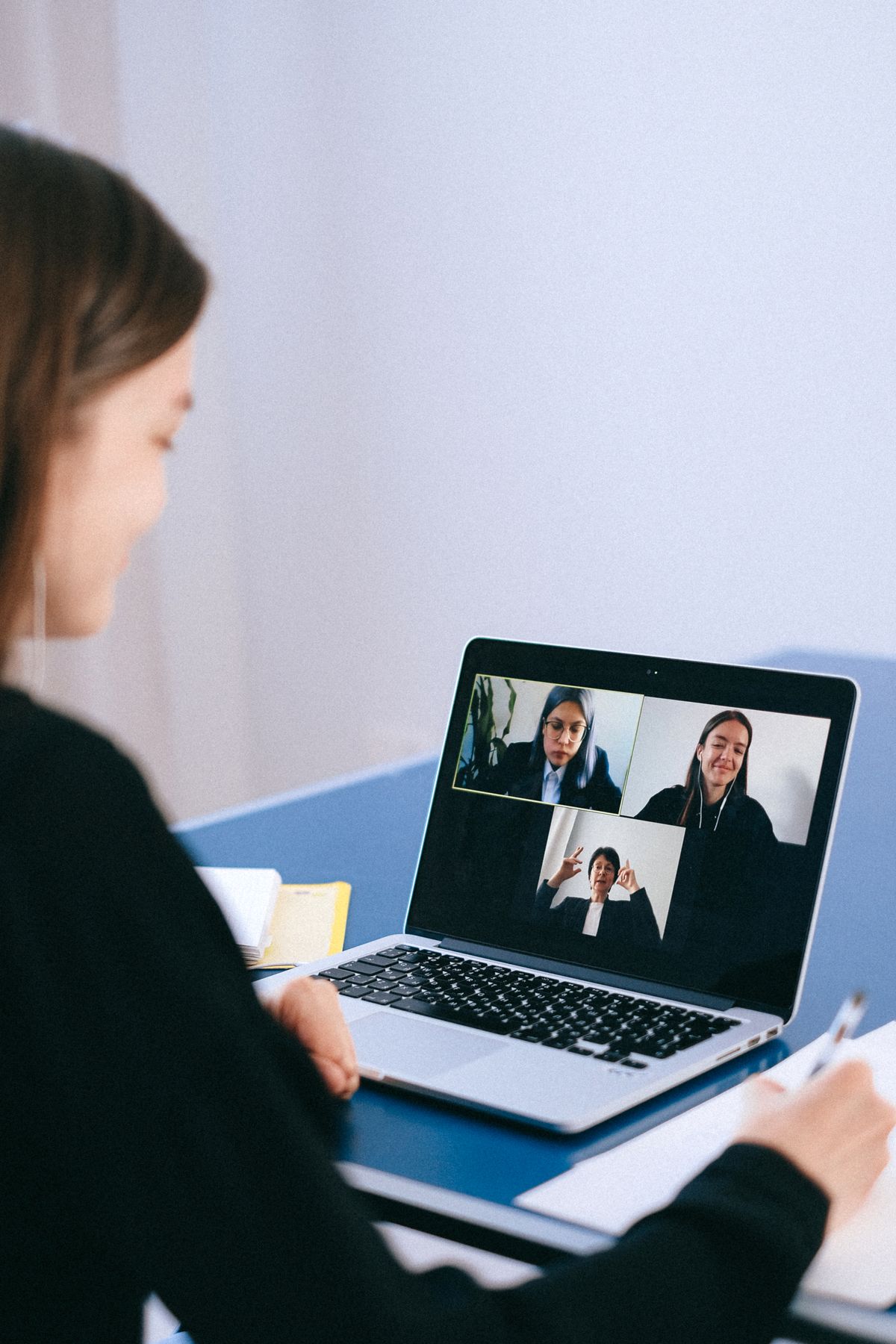
Operating a distributed enterprise enables an organisation to coordinate talent across disparate cities, national borders, and working hours without maintaining a centralised physical office. This operational structure opens up access to specialised international capabilities while positioning a venture closer to regional customer clusters. At the same time, remote collaboration strips away the informal interpersonal cues that facilitate traditional office coordination: spontaneous desk-side clarifications, visible signs of individual employee fatigue, or contextual background overheard following an executive meeting. Effective distributed leadership therefore depends far less on scheduling supplementary video conferences and considerably more on making project objectives, operational decisions, and working expectations transparently legible in writing.
There is no universal communication dogma that accommodates every distributed business. A compact team spanning two adjacent European time zones confronts coordination demands fundamentally distinct from those of a multi-continental firm employing engineers, client managers, and compliance specialists across Asia, Europe, and the Americas. Rather than adopting rigid external mandates, leadership teams benefit from agreeing upon a concise set of functional defaults, evaluating whether those practices tangibly reduce operational friction, and refining their operating model as headcount and geographic dispersion increase.
Building a Public Profile as a Filmmaker
- Redaktor
- Category: Voice
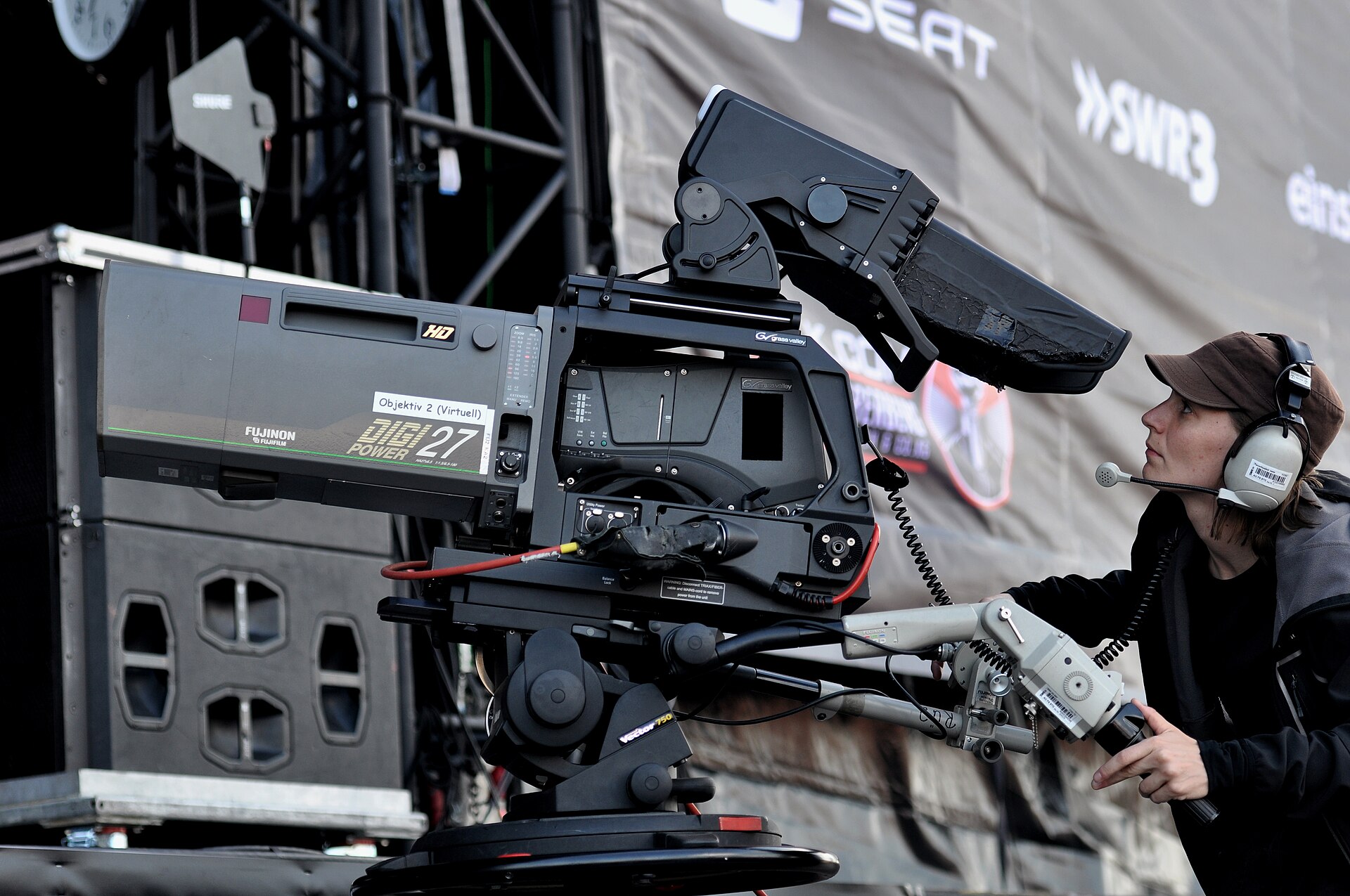
Film is made by many hands, and the credits at the end are how those hands are recorded. For anyone who works in moving image, a public profile is largely a question of making those credits legible and showing what sits behind them. A viewer sees a finished film. A producer, a festival programmer, or a commissioning editor needs to see the work you actually did.
A public profile for a filmmaker does that job. It sets out your role or roles, the body of work that supports them, and the specific contribution you made to each project. Done well, it turns a list of titles into evidence of a craft.

London Climate Action Week 2026 (20–28 June)
- Redaktor
- Category: Voice
By Maria Bregman, Founder and Editor-in-Chief of Creativitys.UK
Page 27 of 46