
What to Do After Press - How to Store and Reuse Coverage
- Redaktor
- Category: Voice
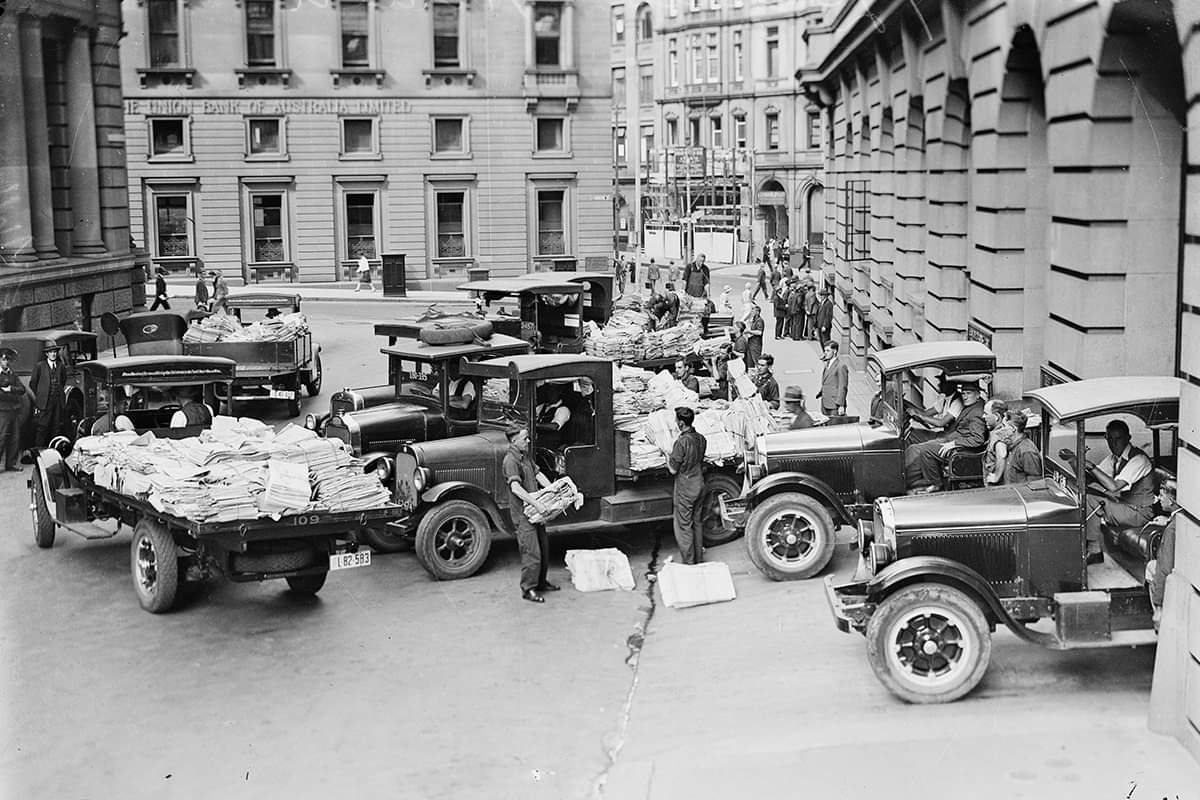
Most people treat a press mention as an event. The link is shared, the moment passes, and the coverage quietly disappears into the archive of a site nobody visits again. A smaller number treat it as an asset. They store it properly and reuse it, sometimes for years.
The difference is not effort. It is method. Coverage that is saved, described, and kept accurate can support a profile, a pitch, or an application long after the news cycle has moved on. This guide sets out how to store press coverage and how to reuse it without overstating what it says.

Explaining an AI Product’s Limits to Customers
- Redaktor
- Category: Voice
In enterprise software procurement, purchasers ought never to be left speculating about what an automated system can reliably deliver, what empirical corpus informs its inferences, or at which precise juncture a human practitioner must intervene. A sleek software interface frequently endows probabilistic calculations with an unearned aura of infallibility. When technical boundaries are articulated with candour, commercial buyers are equipped to assess whether a tool genuinely suits their operational requirements, how its outputs should be integrated into internal workflows, and when professional judgement must take precedence over machine-generated advice.
The delineation of technical boundaries cannot be relegated to boilerplate disclaimers buried within an obscure knowledge base. Rather, it constitutes an indispensable facet of operational architecture and executive communication. Clear limitation notices must be accurate, directly relevant to the task at hand, and prominently positioned at the precise point where decisions are taken.
How to Handle a Media Interview - Preparation Checklist
- Redaktor
- Category: Voice
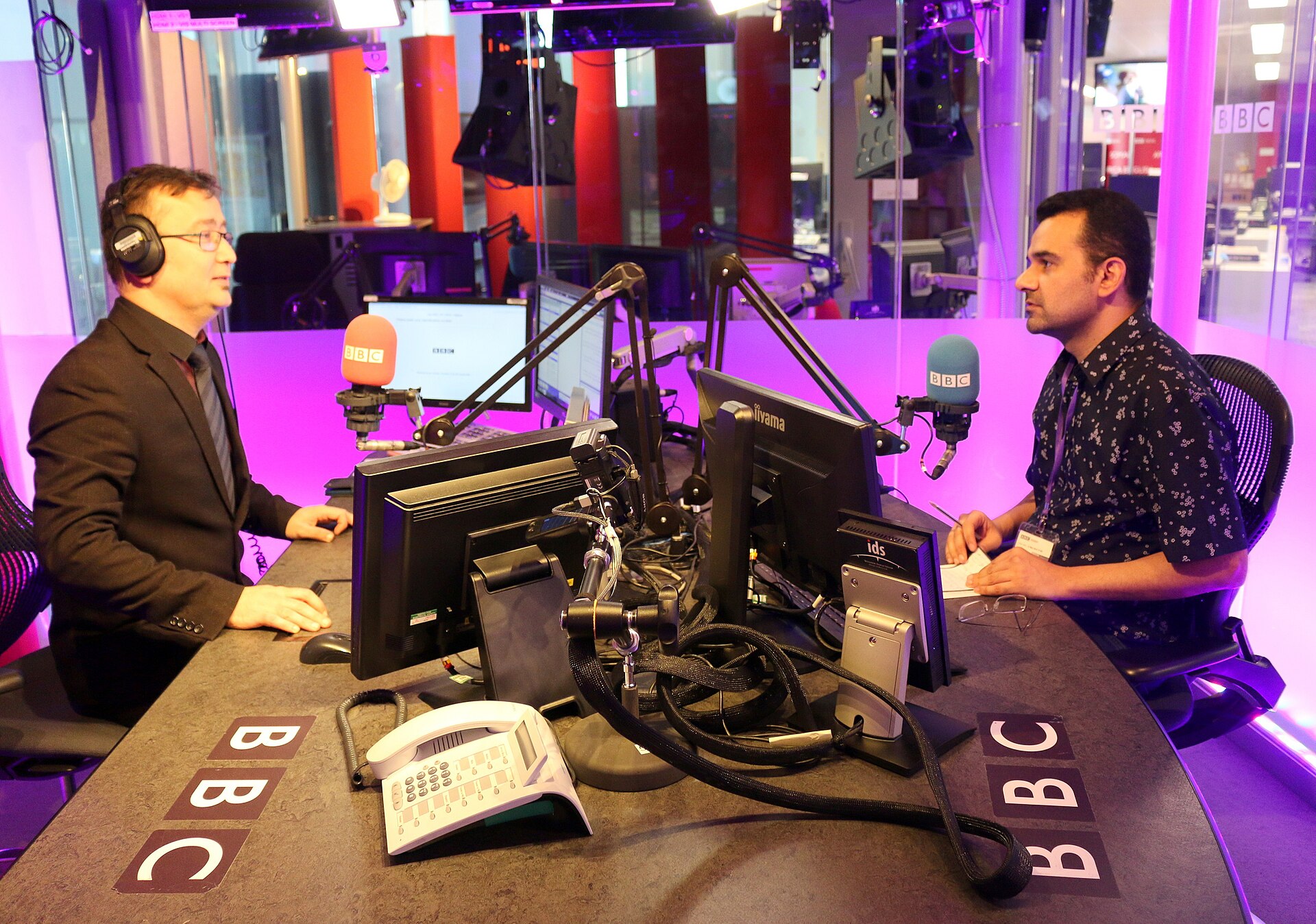
A media interview is not a conversation. It is a published product, cut and shaped for an audience you will probably never meet. The interviewer is not an opponent, but they are not on your side either. They need a story, and they will edit whatever you give them into one. Preparation is what decides whether your words survive that edit in a form you recognise.
This checklist covers the whole arc of an interview, from the request that arrives in your inbox to the follow-up after publication. It assumes a professional interview about your work: a trade publication, a sector podcast, a local news item, or a conference panel. The principles hold across most formats, though the details change between a live broadcast and a written profile.
Earned vs Paid Media - What Builds Reputation
- Redaktor
- Category: Voice
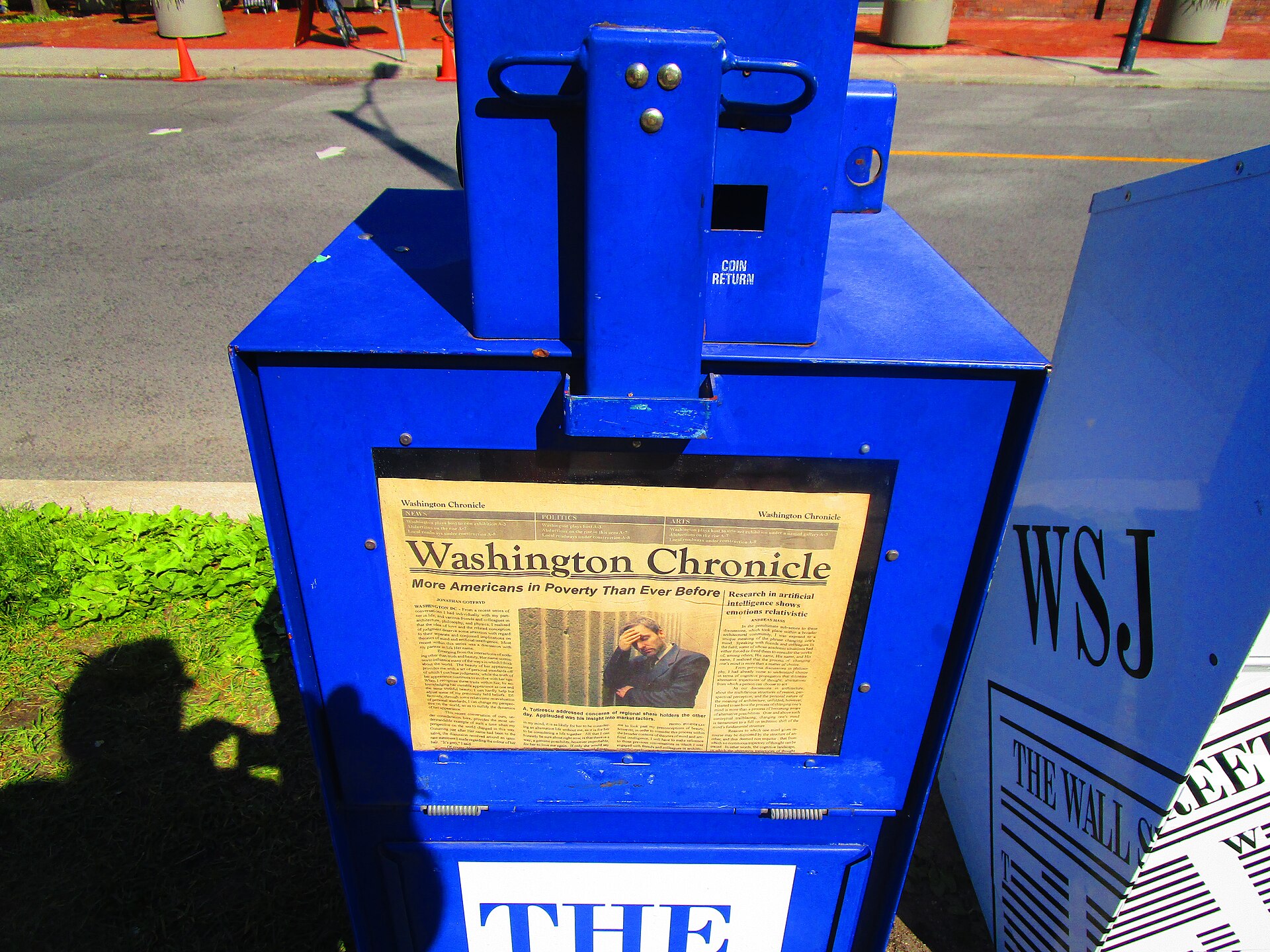
Paid media buys attention. Earned media borrows someone else's credibility. The two are often spoken about as if they were interchangeable parts of a publicity plan, and for reach they sometimes are. For reputation, they are almost opposites. One stops the moment the invoice stops. The other keeps working because another person chose to publish it.
That difference matters most at the moments when reputation is actually tested. It shows up when a client decides whether to trust you, a journalist checks your background, or an assessor weighs whether your recognition is real. This breakdown sets out what each type does, what it cannot do, and how the three broad categories of media fit together.
Data Readiness for AI: Questions a Founder Should Ask Before Building
- Redaktor
- Category: Voice
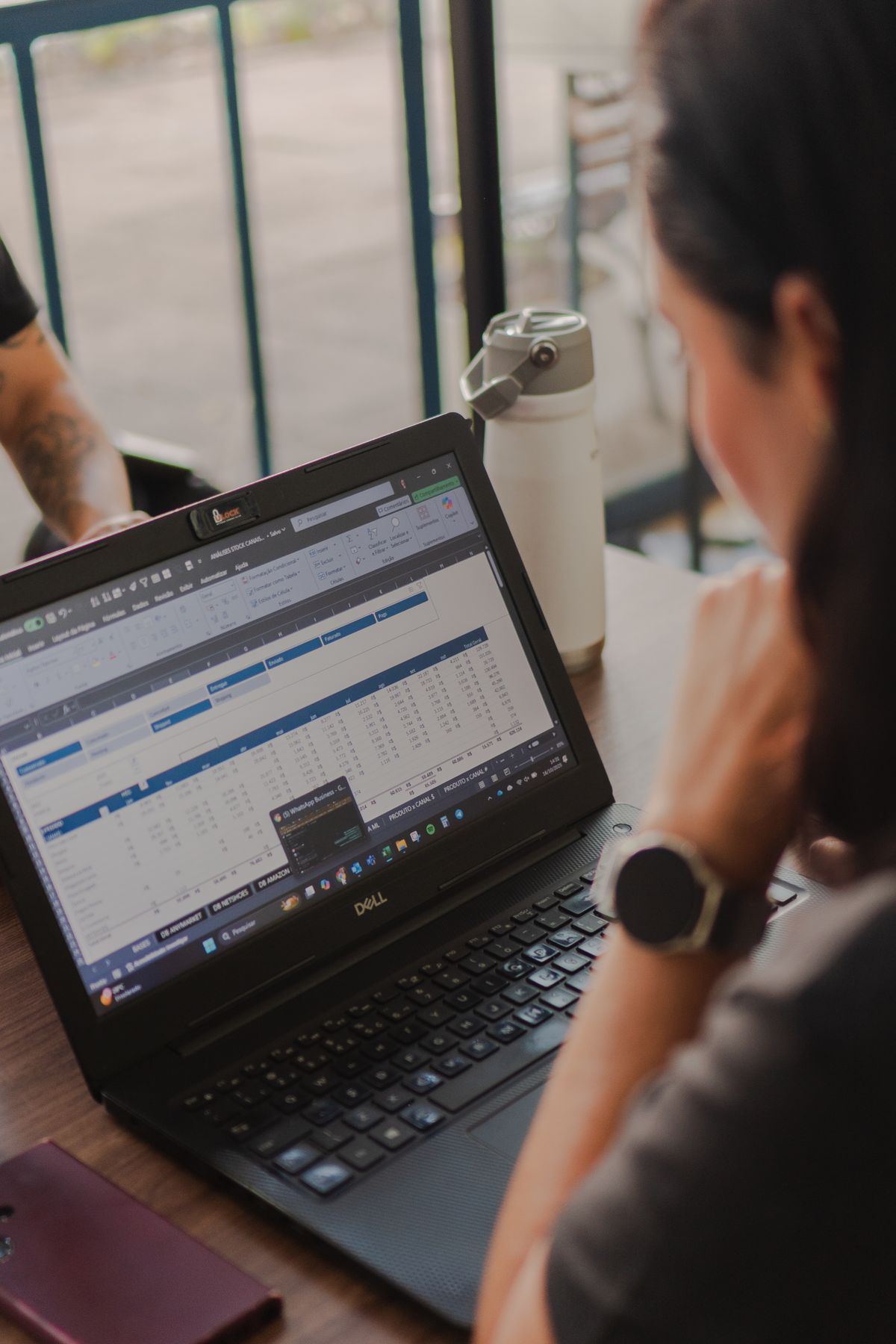
In contemporary commercial discourse, initiating an artificial intelligence venture is frequently depicted as an algorithmic selection exercise: evaluate competing large language models, wire the chosen interface into an operational workflow and observe the resulting productivity gains. In commercial practice, an initiative’s ultimate success hinges far more heavily upon the quality, governance and operational readiness of the data surrounding that workflow. Corporate information is frequently dispersed across fragmented silos, riddled with inconsistencies, legally encumbered, historically outdated or entirely unsuited to the intended analytical purpose. When a founding team confronts these structural deficiencies only after capital has been sunk into model development, the enterprise faces extensive rework, escalating infrastructure costs and severe reputational exposure.
Data readiness does not mandate assembling the largest conceivable data lake. Rather, it demands a disciplined understanding of what specific information a product requires, whether the organisation maintains the legal authority to exploit it, whether the records are sufficiently dependable to support automated reasoning, and which team members bear accountability for ongoing maintenance. Founders who subject their data architecture to rigorous scrutiny prior to engineering development avoid building sophisticated models on fragile foundations.
Page 31 of 46