
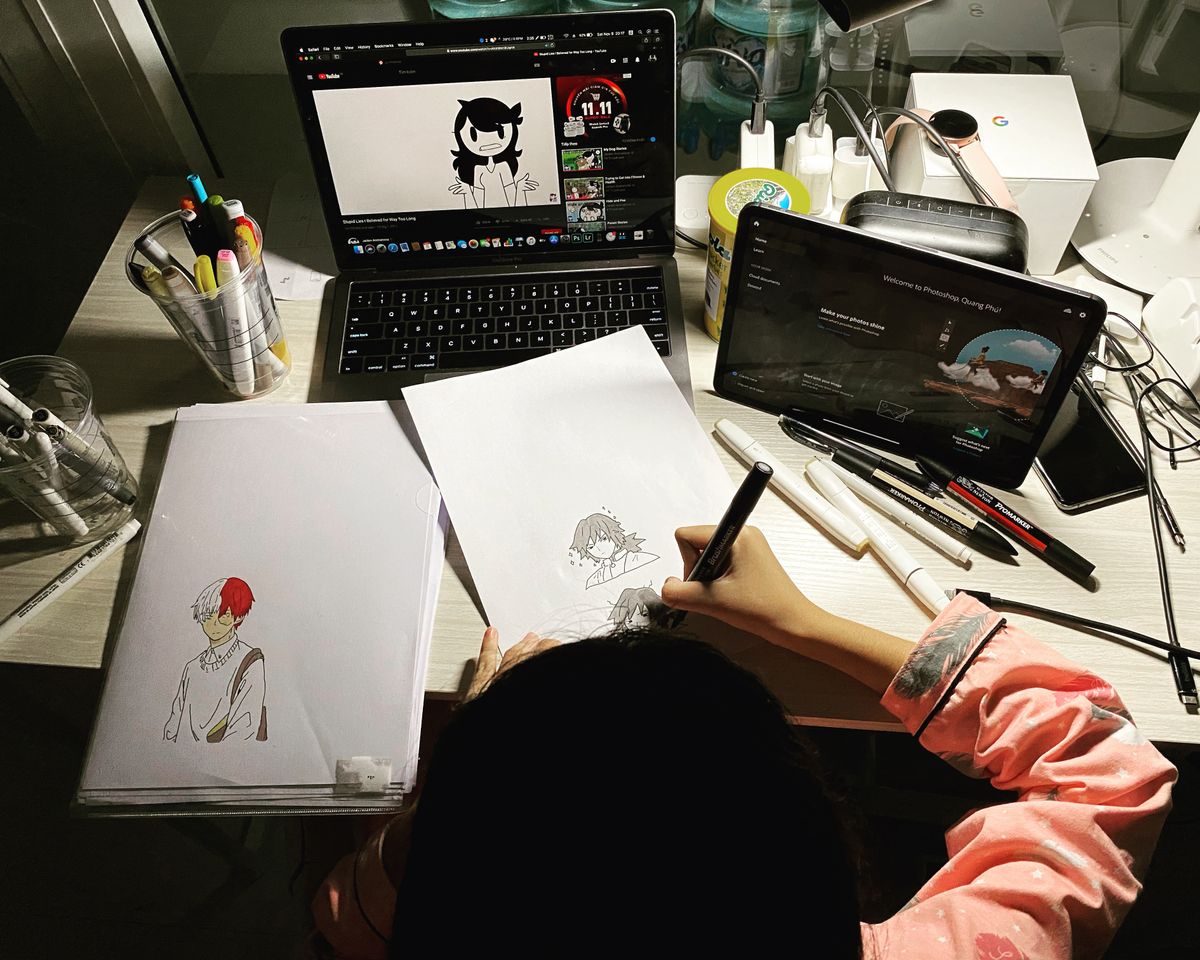
Building a Public Profile as a Designer
- Redaktor
- Category: Voice
A strong public profile does more than display attractive screens. Within a few minutes, it should tell peers, clients, and industry assessors three specific things: what kind of problems you solve, how you make decisions under real constraints, and what changed because of your work.
While a traditional portfolio focuses on finished visuals, a public profile shows how you think and how you contribute to the wider discipline. The goal is not to dress up routine tasks as breakthroughs. Instead, it is to make your expertise clear, practical, and easy for others in your field to verify.
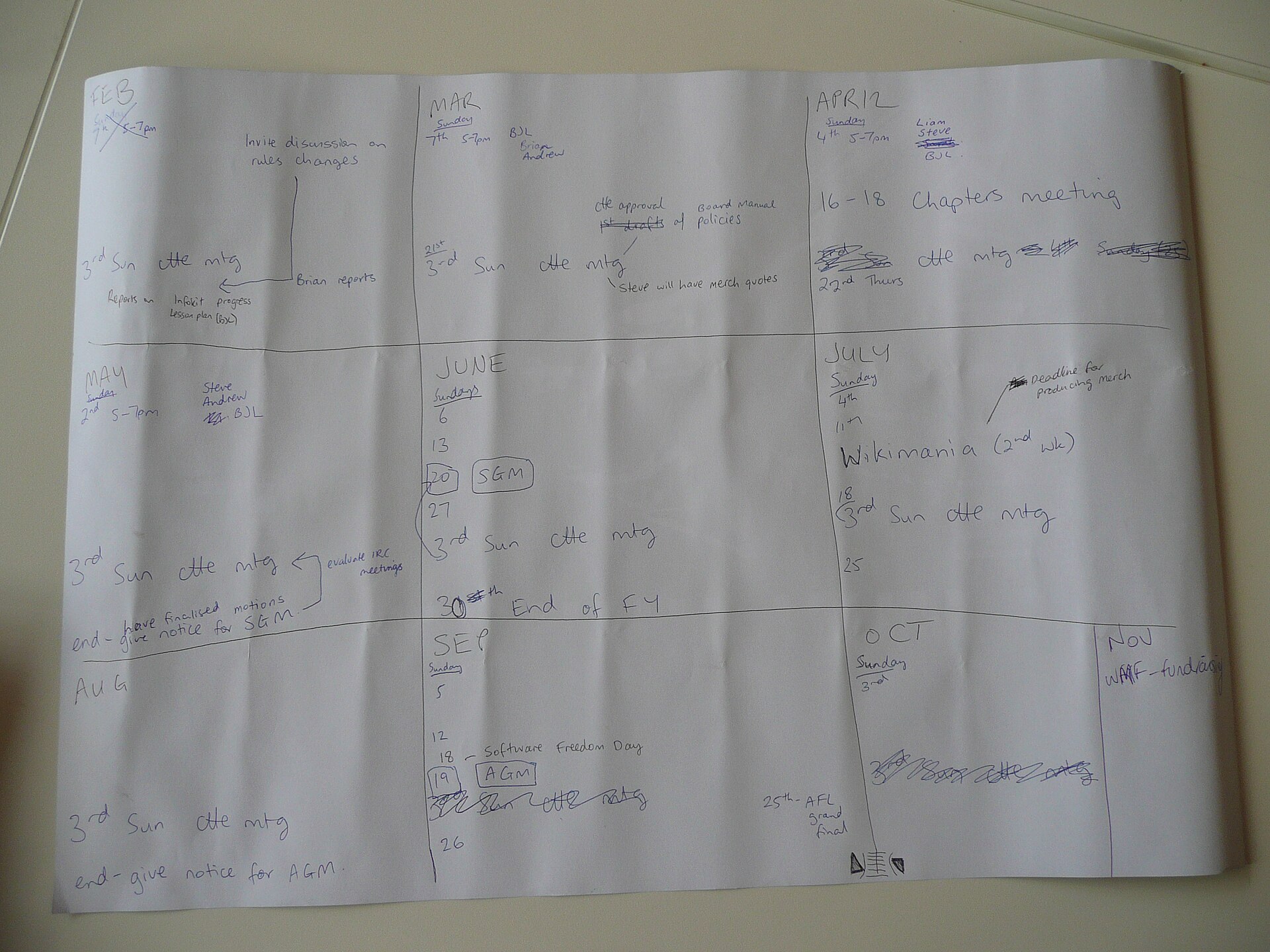
From First Publication to Sustained Visibility - 12-Month Plan
- Redaktor
- Category: Voice
Landing a first major publication - an analytical essay in a trade journal, a guest column in an established industry outlet, or an in-depth case study in a specialist publication - is often treated as the finish line of a professional profile campaign. The reality is that a single piece of published writing is only an entry ticket. Without a structured operational framework to sustain and compound the momentum, the initial visibility fades within weeks, and little permanent imprint is left on professional standing or commercial opportunity.
Real professional authority does not come from sporadic bursts of publicity. It develops through the patient accumulation of rigorous, verifiable work, distributed systematically over time. When industry peers, prospective clients or institutional assessors evaluate an expert, they look for consistency of thought, sustained engagement with complex sector challenges and a coherent trajectory of contribution. A twelve-month roadmap turns a solitary publication into an enduring public presence that keeps reinforcing professional reputation.
Professional English for Public Profiles
- Redaktor
- Category: Voice
A public profile is read quickly, and often by someone who does not know you. A biography, an about page, a speaker listing or a portfolio description has a short window in which to make your work legible. Grammar mistakes are visible, but the deeper problem is usually clarity: sentences that circle an idea without landing on it, or words chosen to sound impressive rather than to be understood.
Clarity is a skill you can practise, and it matters more than native fluency. A reader who grasps your meaning is a reader who can assess your work. For international professionals building a UK profile, this checklist offers a practical way to make written English clear without stripping it of personality.

How to Build UK References as a Newcomer
- Redaktor
- Category: Voice
When you arrive in the UK, or start a practice here without a local track record, one question follows you through applications, contracts, tenancies and funding bids: can anyone vouch for you? A UK reference is a short statement from someone who has seen your work and is willing to confirm it. For a newcomer, references are often the missing piece that no amount of past experience abroad can substitute.
Building them takes time, but it does not require a wide network. A handful of credible people who know your work directly will carry more weight than a long list of names who barely know you. This checklist explains what counts, where references come from, and how to earn and ask for them properly.
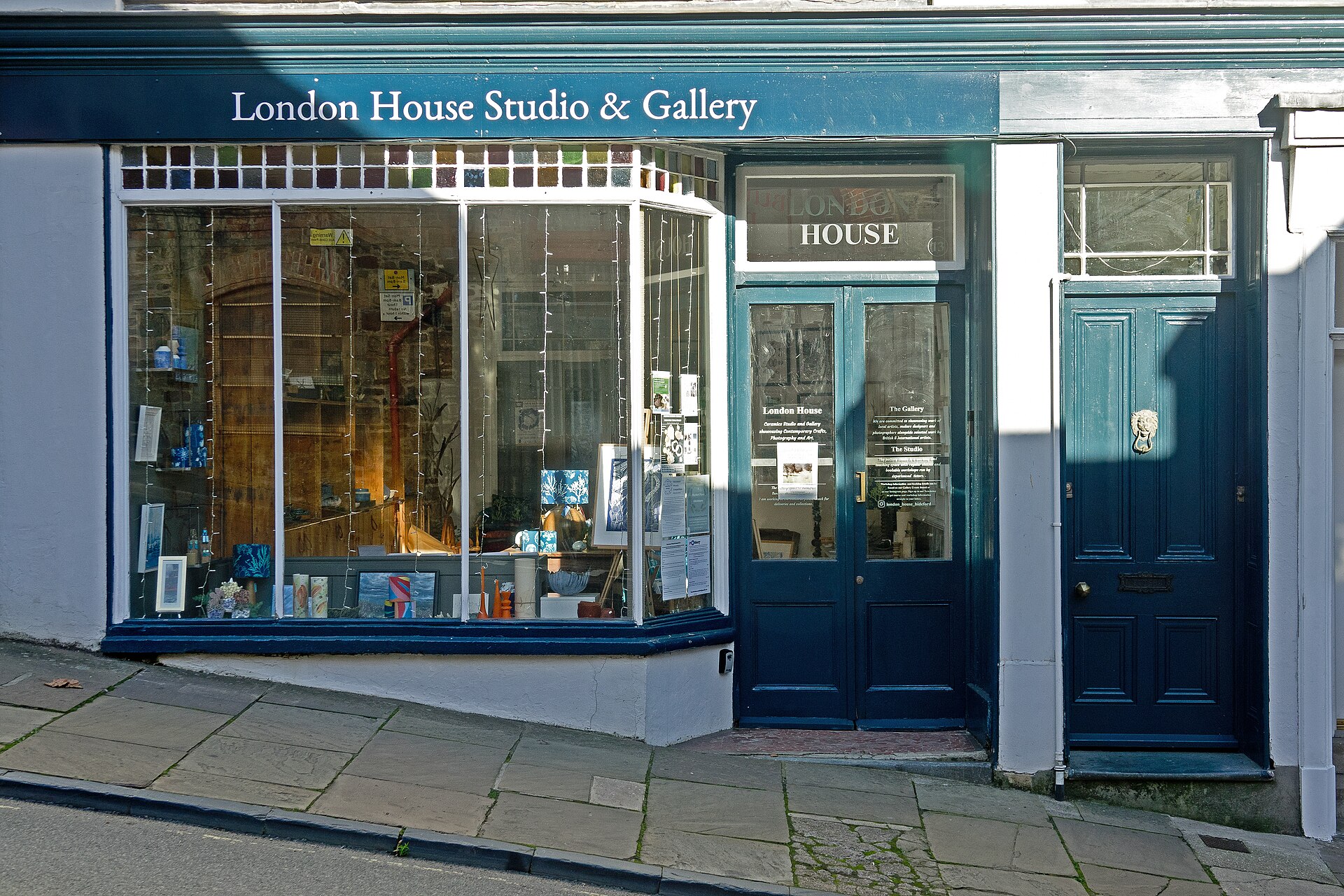
How International Artists Can Localise a UK Profile
- Redaktor
- Category: Voice
An artist who moves to the UK, or who wants to build a presence here while based elsewhere, faces a specific problem. The work may be strong and the record may be substantial, but it does not yet read as a UK profile. Contexts, references and presentation that make sense at home can seem unfamiliar or incomplete to a UK audience, a gallery, a funding panel or an assessor.
Localising a profile does not mean abandoning your background or rewriting your history. It means translating what you have done into terms a UK reader can recognise, verifying the details they will want to check, and connecting your practice to the networks and institutions where you now want to work. This guide explains how to do that with accuracy and without overstating anything.
Page 2 of 46