
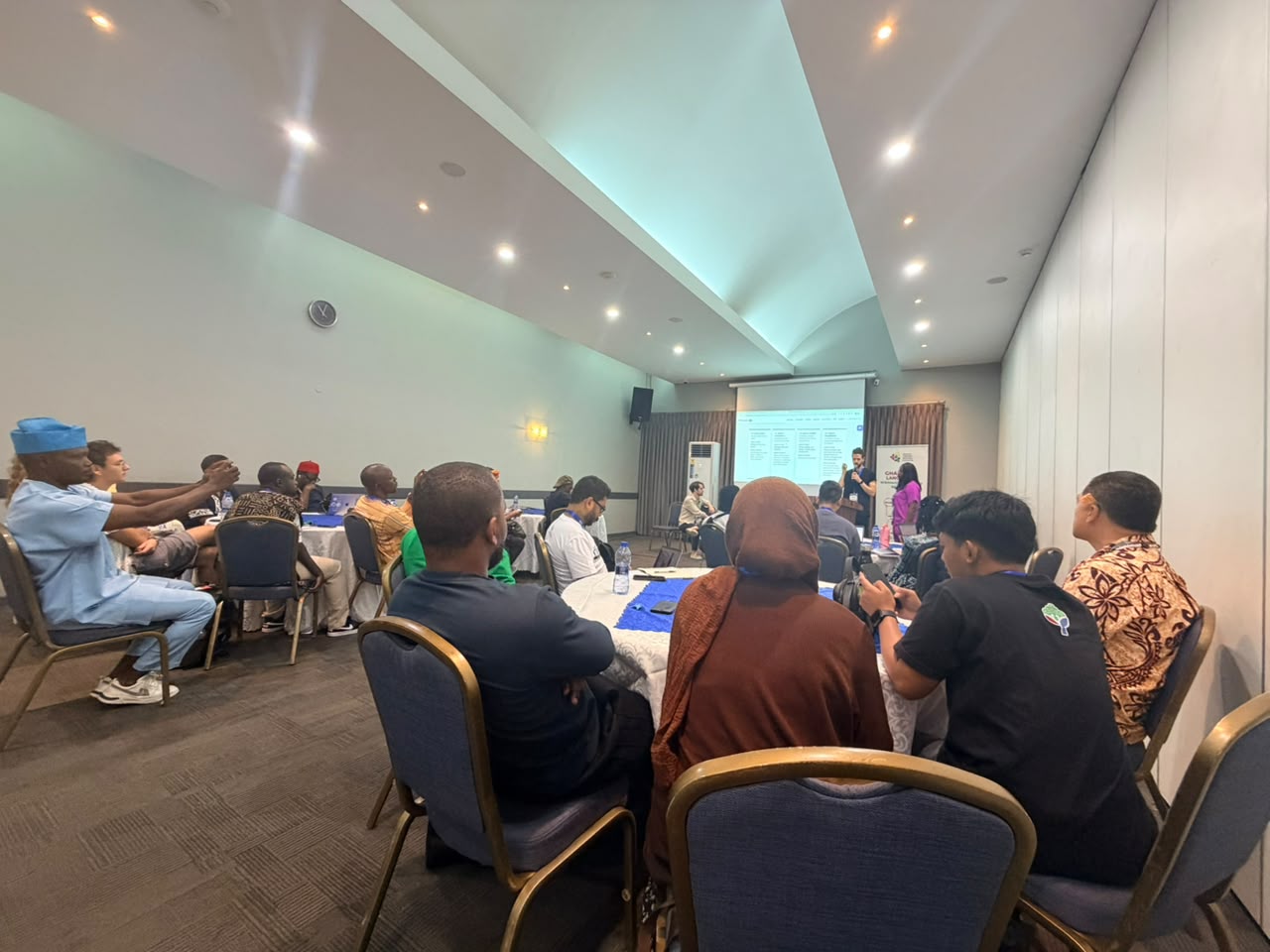
How to Choose Where to Speak at London Design and Tech Events
- Redaktor
- Category: Voice
London hosts a large and varied programme of design and technology events, from long-established industry conferences to single-evening meetups in a studio or a co-working space. For a practitioner building a public profile, the opportunity is obvious, but so is the risk: time spent on the wrong stage is time lost, and a poorly chosen event can weaken a profile.
The skill is not in finding events. It is in judging which ones are worth your preparation and your evening. This guide sets out a selection method, rather than a list of events, so that the approach still works as the calendar changes.

How to Work with UK Universities as an Industry Expert
- Redaktor
- Category: Voice
Universities are not only places where students learn. They are employers, buyers of services, research partners and gateways to funding and influence. For a practitioner with deep industry experience, a relationship with one or more UK universities can open a route to teaching, advising, research collaboration and a form of recognition that a commercial client list alone does not provide.
Working with a university is unlike working with a company. Decisions are spread across departments and committees, timescales follow the academic year, and the purpose is often public benefit rather than profit. Understanding how institutions are organised helps an expert contribute well and avoid the frustration that comes from treating a university like any other client.

How Creative Practitioners Collaborate with University Spinouts
- Redaktor
- Category: Voice
A university spinout is a company formed to commercialise research or intellectual property developed at a university. Its founders are usually academic researchers, and the underlying technology is often technical: a new material, a medical device, a data method or a piece of software. Most spinouts also need design, brand, communication and creative input if the research is to reach a real audience, and that is where creative practitioners come in.
This article explains how spinouts work, where creative practice fits, and how to approach a collaboration without losing control of your own work or your time. It sets out the questions to ask and the official sources to consult. It is not legal advice, and any agreement should be reviewed by a qualified solicitor.
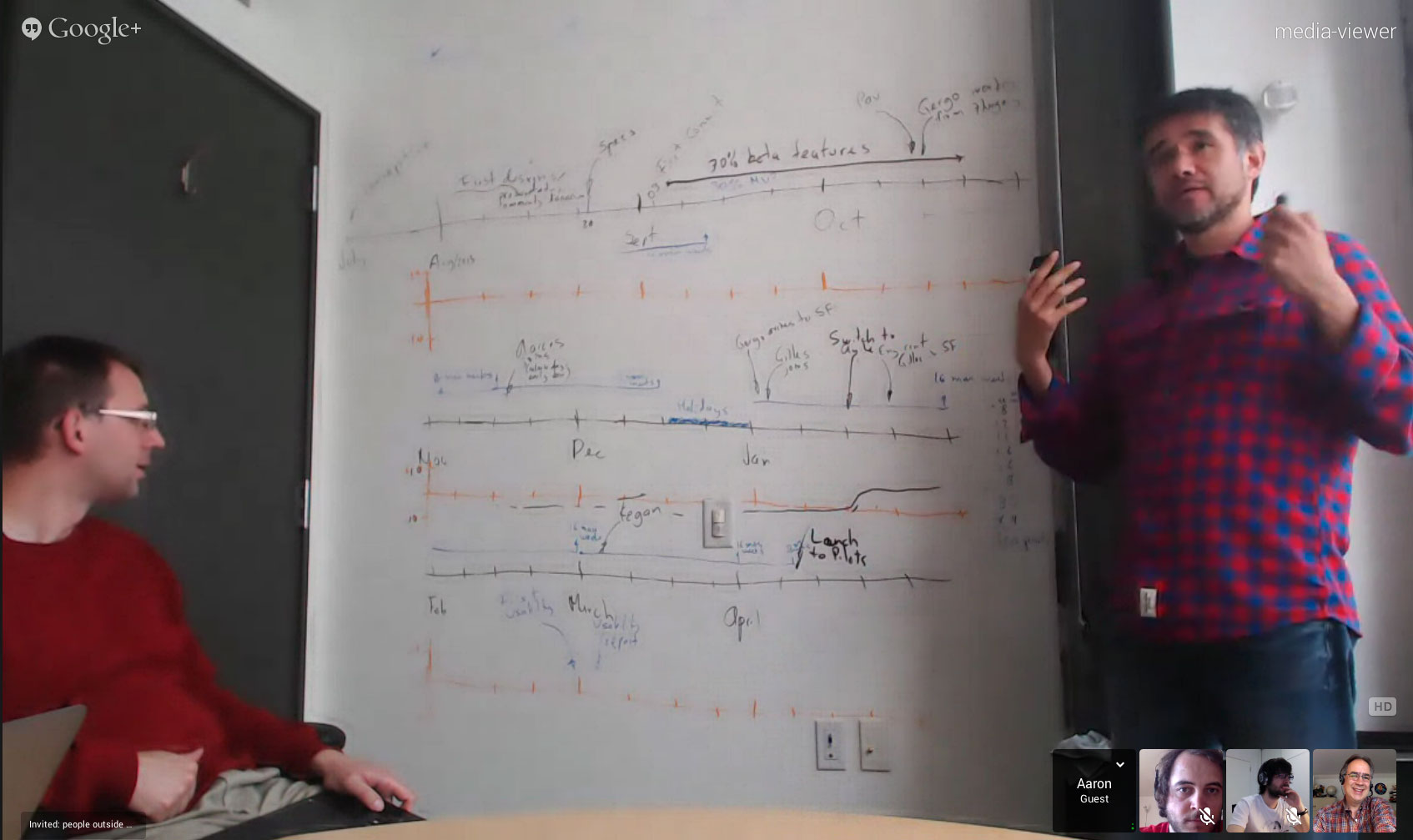
How to Validate a Creative Business Idea with UK Buyers
- Redaktor
- Category: Voice
Creative founders often begin with a strong point of view: a product, a studio service, a print run or a platform that feels overdue. Enthusiasm is an asset, but it is not evidence. Validation is the work of testing whether UK buyers share the problem you have identified, whether they will pay to solve it, and whether the economics hold at the scale you can realistically deliver.
Validation is not a single conversation or a survey. It is a sequence of small, inexpensive experiments that reduce uncertainty before large sums are committed to production, premises or marketing. The method below is written for creative businesses such as studios, makers, design-led brands and cultural ventures operating in the UK market.

Finding a Co-Founder in London's Creative Scene
- Redaktor
- Category: Voice
A co-founder is not simply the first person willing to help. Starting a business with the wrong partner can be harder to undo than starting alone. The right co-founder brings a capability the business cannot be built without, shares the appetite for the work, and stays steady when the plan meets reality. In a city as large and layered as London, the difficulty is rarely finding people. It is finding the right one and testing the fit before any commitment.
This guide explains what to look for in a co-founder, where creative founders actually meet in London, and how to run a careful process of partnership rather than an optimistic leap. It treats the search as a sequence of small experiments, because that is how the most durable founding teams are assembled.
- What Counts as Recognition: How a Professional Reputation Is Built and Checked
- How to Build a Public Profile as a Startup Founder: Recognition, Proof and Visibility
- How to Build a Public Profile as a Software Engineer: Recognition, Proof and Visibility
- How to Build a Public Profile as a Visual Artist: Recognition, Proof and Visibility
Page 5 of 48