

How to Evaluate the Value of a Professional Community for Members and Partners
- Redaktor
- Category: Voice
A professional community proves its worth when regular participation helps its members and partners achieve results that genuinely matter to their work. Depending on a member's field and seniority, those results might include learning a practical technical method, finding trusted peers to test strategic ideas, starting a joint venture, or meeting investors and advisers.
Total headcount, website logins, and event attendance numbers only show surface activity. They tell you that an organisation is busy, but not whether people are walking away with lasting professional value. To judge a community fairly, both its leadership team and its participants need to look past basic activity tallies and track real professional outcomes.

70th BFI London Film Festival unveils full programme of speakers and events for 2026 Industry Forum
- Redaktor
- Category: Voice
The BFI today announces the full speaker and events line-up for the 2026 BFI London Film Festival Industry Forum.
A Public Profile for Startup Advisers
- Redaktor
- Category: Voice
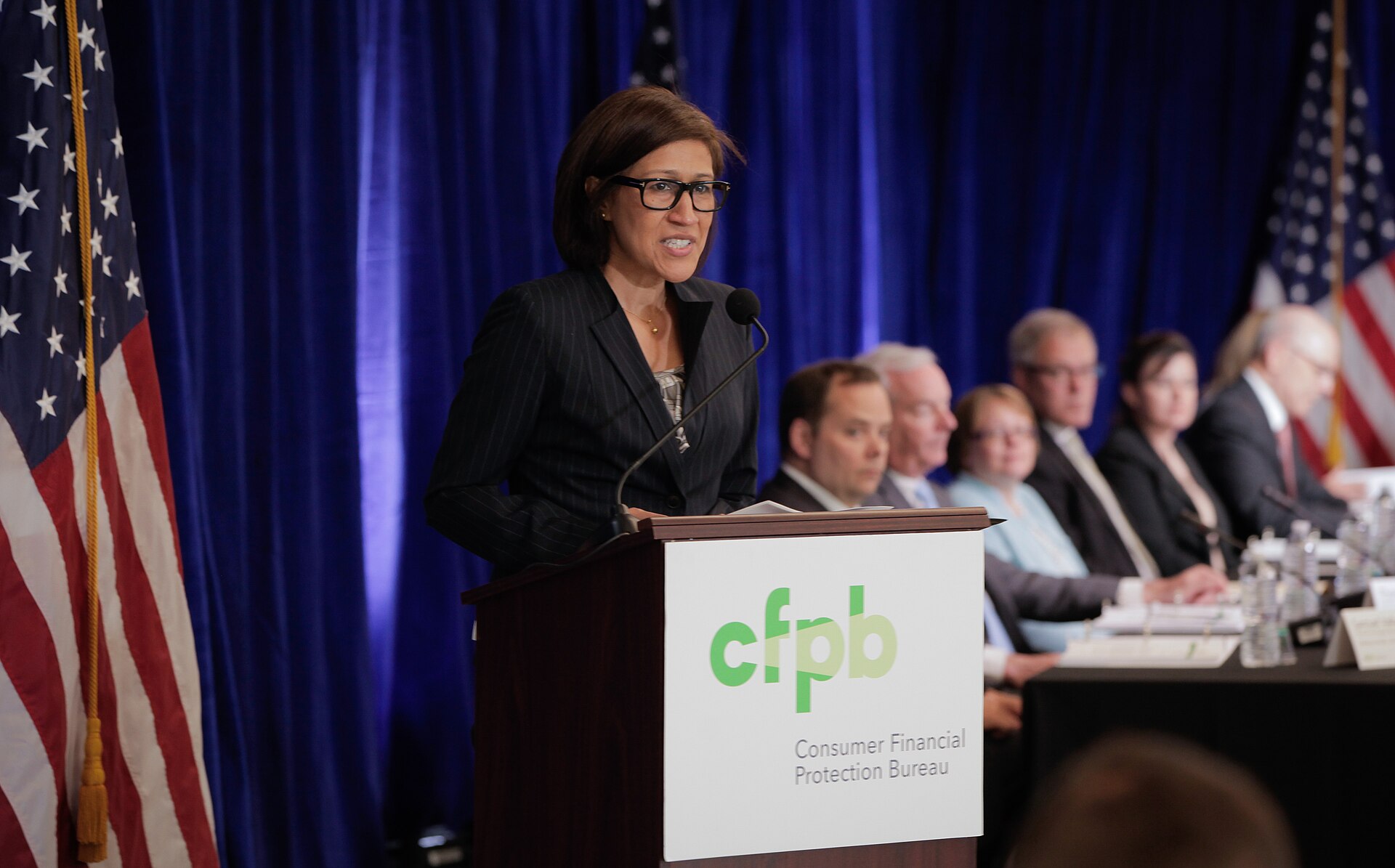
Advisers occupy an unusual position. They are not founders, though they often work alongside them, and they are not investors, though their advice can shape how a company spends its money. Their public profile has to answer a simple question for a reader: what do you help a company do, and why should anyone trust your judgement?
This guide explains how advisers can build a credible public profile. It covers the difference between advisory work and a day job, how to document value without breaching confidentiality, and how to keep the profile accurate as your portfolio changes.

Due Diligence for Commercial Partnerships: Governance Questions Prior to Signing
- Redaktor
- Category: Voice
Entering into a commercial partnership offers an organisation direct access to external client bases, technical capabilities, operational infrastructure, or geographical territories that would otherwise require prohibitive capital expenditure to replicate internally. At the same time, any collaborative undertaking introduces structural dependencies, potential exposure to third-party reputational incidents, and ongoing operational expenditure. Prior to executing binding agreements, each organisation must arrive at an unambiguous understanding of its prospective partner, the concrete commitments demanded across both operational teams, and the procedural mechanisms available to modify or dismantle the relationship should strategic priorities diverge.
Due diligence in this context represents a calibrated investigation rather than an absolute guarantee against operational friction or partner default. The depth of examination must remain proportionate to the complexity, regulatory sensitivity, transaction value, and strategic exposure of the planned undertaking. Rather than substituting for formal counsel, this guide provides executive teams with an evaluative framework to structure pre-contractual inquiries, highlight operational vulnerabilities, and establish when independent corporate, accounting, technical, or regulatory advisers must be instructed.
A Public Profile for Non-Technical Founders
- Redaktor
- Category: Voice
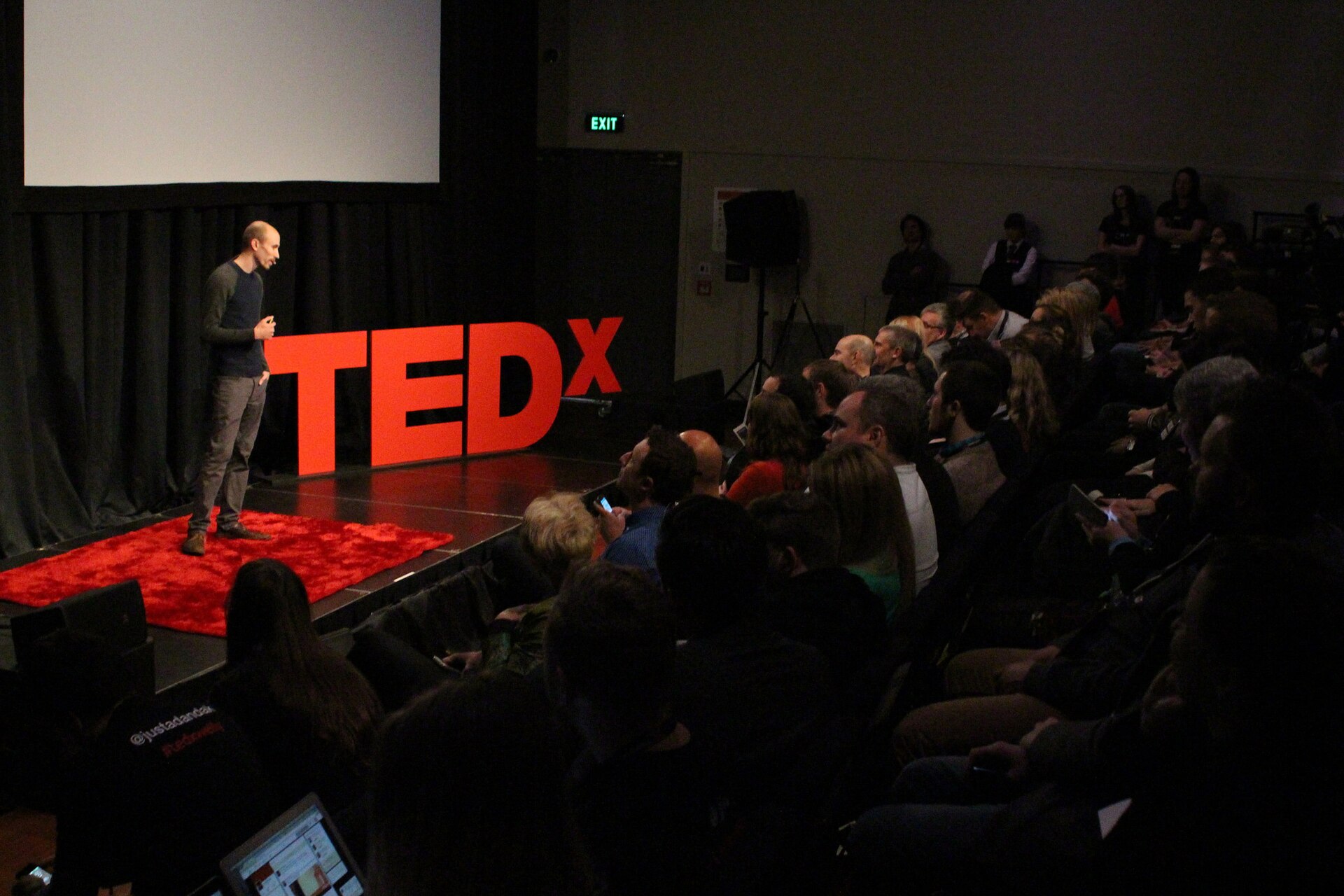
Founders who come from sales, operations, design, or finance often feel they have less to show in public than their technical co-founders. The opposite is usually true. A non-technical founder owns the parts of the business that are hardest to fake: understanding a market, winning trust, and turning an idea into an organisation that delivers. The task is to make that work visible in a way that reads as credible rather than boastful.
This guide explains how a non-technical founder can build a public profile around the judgement and results that belong to their role. It focuses on method, not on any particular platform, and it points you towards evidence you already have.
Page 8 of 46