

THE 70th BFI LONDON FILM FESTIVAL ANNOUNCES FULL 2026 PROGRAMME 7-18 OCTOBER
- Redaktor
- Category: Voice
The 70th BFI London Film Festival (LFF) today announces the full programme line-up

How investors evaluate early-stage commercial evidence
- Redaktor
- Category: Voice
An investment committee assessing an early-stage venture must establish whether a verified customer friction exists, whether the proposed product credibly resolves it, and whether a sufficient volume of buyers can sustain an enduring enterprise. While these inquiries are related, they cannot be resolved through the same empirical inputs. A top-down market forecast does not prove transactional appetite; similarly, a handful of encouraging introductory calls fails to demonstrate repeatable purchasing behaviour.
Disciplined investment diligence separates observed customer transactions from interpretive conjecture, logging the origin, date, operational segment, and methodological limits of every commercial signal. The primary objective is to ascertain where operational uncertainty persists and whether the leadership team possesses the capability to systematically dismantle it.
Joining Industry Juries and Working Groups
- Redaktor
- Category: Voice
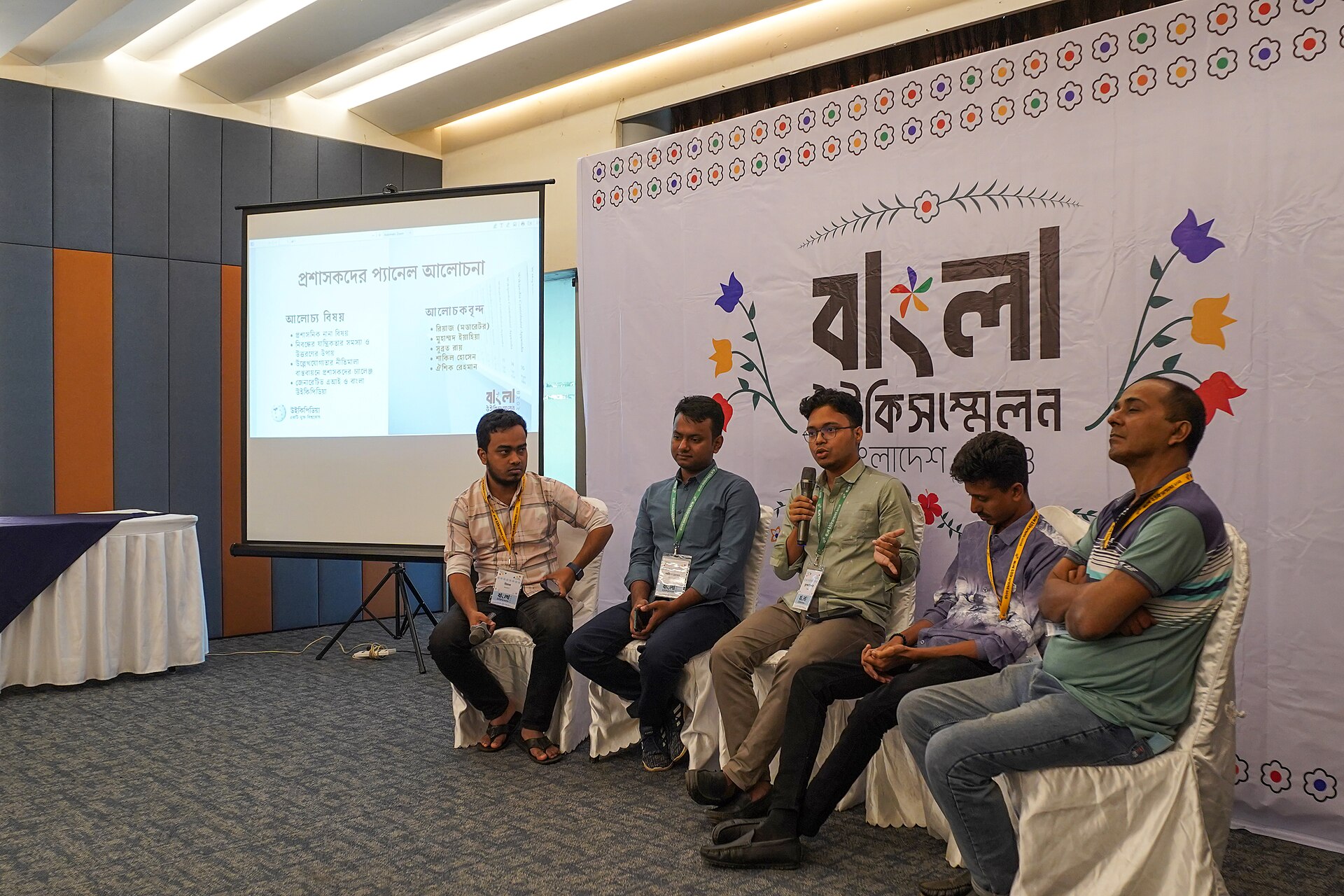
Serving on a jury or a working group is one of the quieter ways an expert builds standing in a field. There is usually no stage, no audience, and no applause. The work happens in meeting rooms and shared documents, where a group of practitioners reviews entries, drafts standards, or advises on policy. Yet the effect on a professional reputation can be considerable, because the role signals that a discipline trusts you to judge the work of others fairly.
This guide explains what these roles involve, what organisers look for, and how to earn an invitation, whether you are a designer, an engineer, a researcher, or a founder. It treats the process as one of contribution rather than self-promotion, because that is how selection committees tend to see it.
Managing business risk without stalling commercial momentum
- Redaktor
- Category: Voice
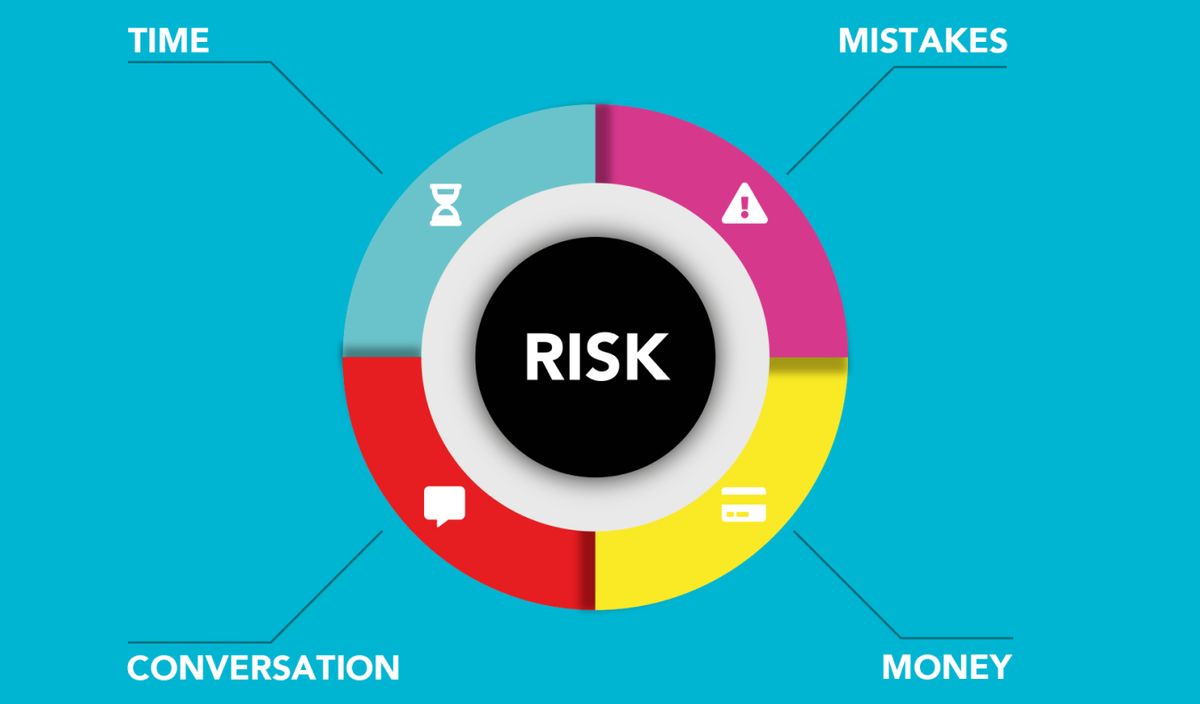
Every consequential commercial choice introduces uncertainty. A newly contracted supplier might fail to meet delivery deadlines, an unvetted software modification could dislocate client workflows, or geographical expansion may absorb significantly more capital than initial forecasts permitted. Attempting to suppress every imaginable exposure routinely paralyses valuable enterprise. Conversely, disregarding operational hazards leaves an enterprise vulnerable to financial losses that could have been restricted through proportionate governance.
Disciplined risk management enables leadership to pinpoint circumstances capable of compromising organizational aims, establish proportionate defences, and detect early indications of adverse drift. The intention must always be purposeful execution. A risk register populated with generic anxieties cannot compensate for unambiguous decisions, designated owners, and persistent operational follow-through.

BFI IMAX CELEBRATES FILMMAKER ALEJANDRO G. IÑÁRRITU AND DIGGER
- Redaktor
- Category: Voice
BFI IMAX today announces details of a programme celebrating five-time Academy Award®-winning director, screenwriter and producer Alejandro G.
Page 12 of 46