
Founder Visibility and Investor Trust - How It Connects
- Redaktor
- Category: Voice
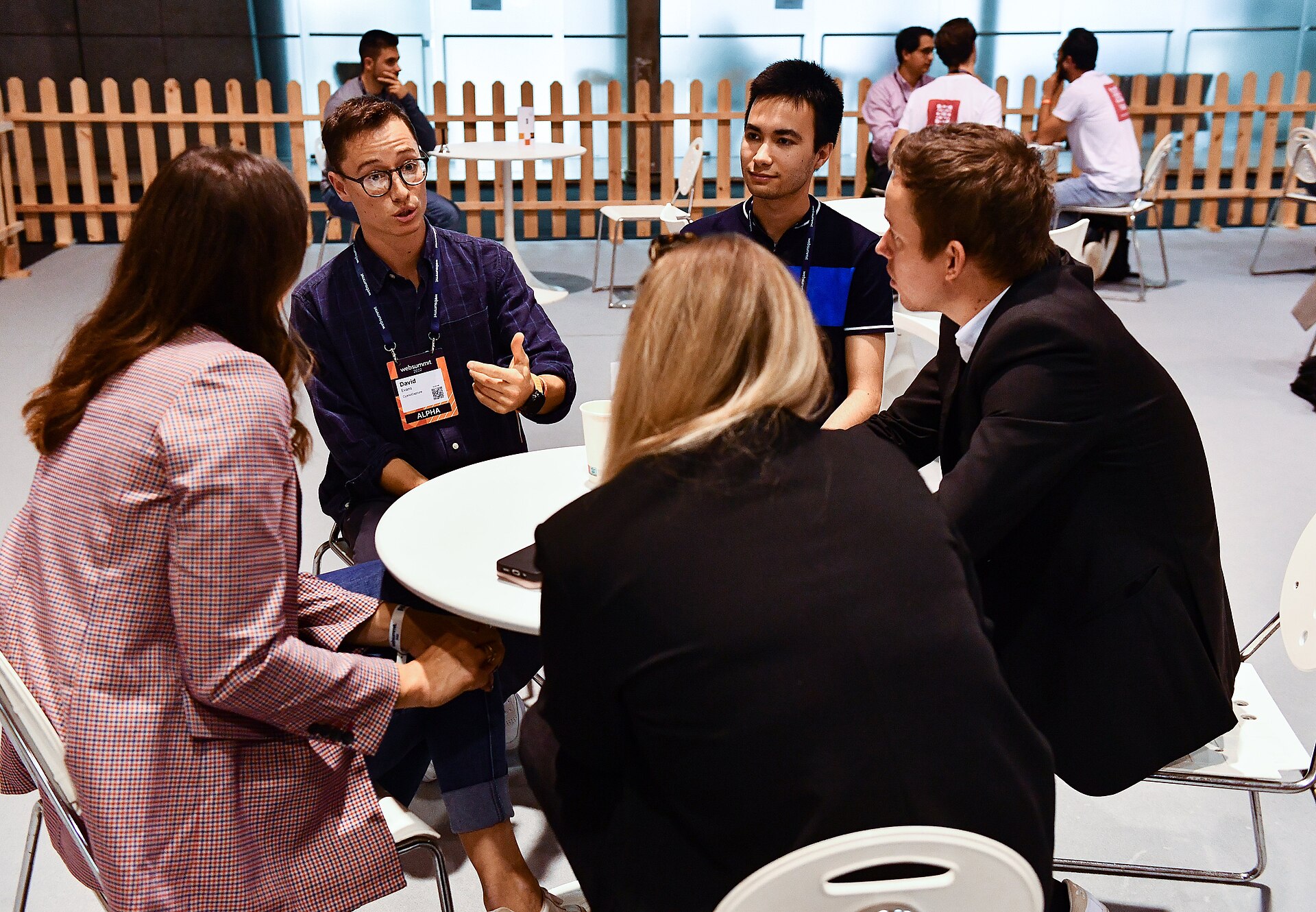
In the contemporary venture ecosystem, founders are routinely advised to build high-profile personal brands. Social media followings, podcast appearances and conference keynotes are frequently held up as essential tools for modern company building. Yet among experienced angel investors, institutional venture capitalists and family offices, the link between a founder's public visibility and investment trust is a good deal more nuanced than popular commentary suggests.
Public prominence can be a powerful asset, signalling category authority, customer magnetism and the ability to attract exceptional talent. Mismanaged, though, excessive or superficial visibility triggers sharp scepticism during investment due diligence. Sophisticated backers tell the difference at once between substantive domain leadership and superficial self-promotion. Understanding how professional investors read public signals allows founders to cultivate visibility that strengthens credibility rather than undermining it.

THE 70th BFI LONDON FILM FESTIVAL ANNOUNCES ADDITIONAL TITLES AND SCREEN TALKS
- Redaktor
- Category: Voice
Exciting additions to the programme of LFF SCREEN TALKS include Robert Eggers (The Witch, The Lighthouse and Nosferatu) and Javier Bardem (Jamón Jamón, No Country for Old Men, Cape Fear).

Recording Talks and Workshops as Proof
- Redaktor
- Category: Voice
A talk that leaves no trace is difficult to prove. You can list a conference on a CV, but a line of text is weak evidence that you spoke well, held a room, or explained something clearly. A recording is stronger. It shows the actual delivery, the material, and the audience response in a form that a curator, an assessor, or a client can verify in minutes. For professionals who build a reputation through public work, recordings turn claimed experience into documented practice.
This checklist covers the practical side of capturing talks and workshops as usable evidence, from planning before the event to storing and describing the material afterwards. It applies to conference sessions, meetups, guest lectures, and internal workshops alike. The aim is a small, well-organised archive that proves what you have done and makes it easy for others to check.

Evaluating founder-investor alignment beyond equity valuation
- Redaktor
- Category: Voice
Equity valuation understandably occupies considerable attention during a fundraising transaction, yet headline share price rarely indicates whether a founding team and an institutional backer will collaborate effectively under stress. The resulting working relationship governs board dynamics, subsequent financing terms, senior recruitment, commercial strategy, and uncomfortable crisis management across multiple years. Before executing binding investment instruments, founders must investigate how prospective investors think, what informal obligations accompany their capital, and how they behave when commercial milestones slip.
Partnership alignment does not demand unyielding agreement on every tactical matter. An effective institutional director should challenge strategic assumptions and provide independent critical perspective. The objective is to establish whether commercial time horizons, financial incentives, and governance styles are compatible enough to sustain transparent discussion, robust oversight, and decisive intervention when operating conditions deteriorate.
Teaching a Workshop for Professionals
- Redaktor
- Category: Voice
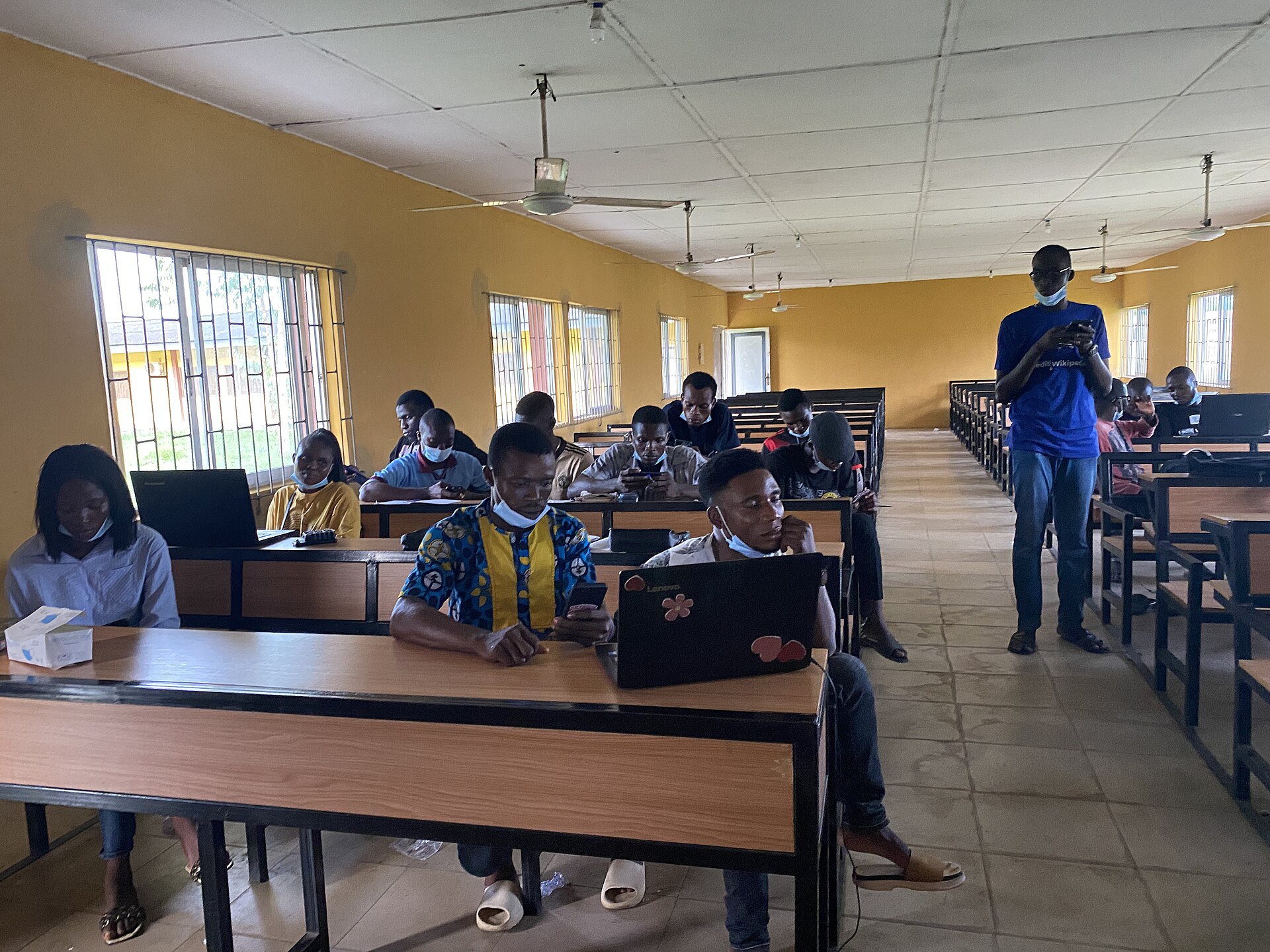
A workshop is not a lecture with a longer title. The two formats ask for different skills and produce different results. A lecture transfers information; a workshop changes what people can do. When you teach a room of experienced professionals, most of them already know the theory you might be tempted to explain. What they want is the chance to practise a method, try a tool, or work through a problem with guidance nearby.
This guide is for experts who are invited to run a workshop, whether for a company, a professional body, a university programme, or a conference. It sets out a practical method for designing and delivering a session that sends people away with a new capability rather than a set of slides they will never open again.
Page 11 of 46