

The Partnership Readiness Checklist for Corporate Sponsors and Startups
- Redaktor
- Category: Voice
Corporate sponsors and high-growth ventures frequently identify compelling commercial potential within an identical partnership proposal while harbouring divergent definitions of operational success. A corporate brand may seek qualified engagement with an exclusive executive demographic; conversely, an emerging enterprise may require non-dilutive revenue, institutional endorsement, or distribution reach across a target territory. Unless these underlying expectations are articulated before binding commitments are executed, collaborative initiatives rapidly generate cosmetic activity devoid of substantive commercial return for either participant.
Partnership readiness does not reflect subjective mutual goodwill or interpersonal rapport between corporate leadership teams. Rather, it represents an objective operational assessment verifying audience relevance, balanced commercial exchange, adequate execution bandwidth, and empirical measurement protocols. The structured framework below enables both corporate sponsors and startup operators to interrogate these foundational conditions prior to executing commercial agreements or announcing joint initiatives.

How to Turn a Talk into an Article
- Redaktor
- Category: Voice
A conference talk and a written article often cover the same ground, yet they succeed in different ways. On stage, you carry the argument with your voice, your timing and the attention of the room. On the page, the reader controls the pace and can stop at any line. Turning a talk into an article is not a matter of transcribing the recording. It is a translation between two modes of explanation, and it fails when the spoken version is simply typed up.
This guide sets out a method for converting a delivered talk into a piece of writing that stands on its own. It works for conference sessions, internal presentations and workshops where you have both a recording and the slides.

How to Make a Clear Decision with Incomplete Information
- Redaktor
- Category: Voice
Senior executives and enterprise operators rarely enjoy the luxury of comprehensive factual certainty when high-stakes operational choices fall due. An institutional client may require immediate contractual confirmation, a recruitment window for specialist engineering talent may be expiring, or key suppliers may demand firm volume commitments long before operational integration parameters are settled. While deferring action can occasionally diminish ambiguity, procrastination imposes its own substantial commercial penalty. The leadership objective in volatile commercial environments is never to eliminate uncertainty artificially; rather, the task is to formulate a decision whose governing premises, financial exposures, and empirical review triggers remain transparently documented.
A disciplined decision architecture methodically distinguishes empirical facts from working hypotheses, establishes the precise threshold of acceptable downside, and defines the empirical signals that compel operational review. Operating in this manner renders executive judgements defensible, auditable, and straightforward to calibrate as events unfold. It does not ensure flawless commercial success; even the most rigorous strategic determinations remain vulnerable to macroeconomic disruptions that no executive team could reasonably foresee.
How to Prepare a Conference Talk from Client Work
- Redaktor
- Category: Voice
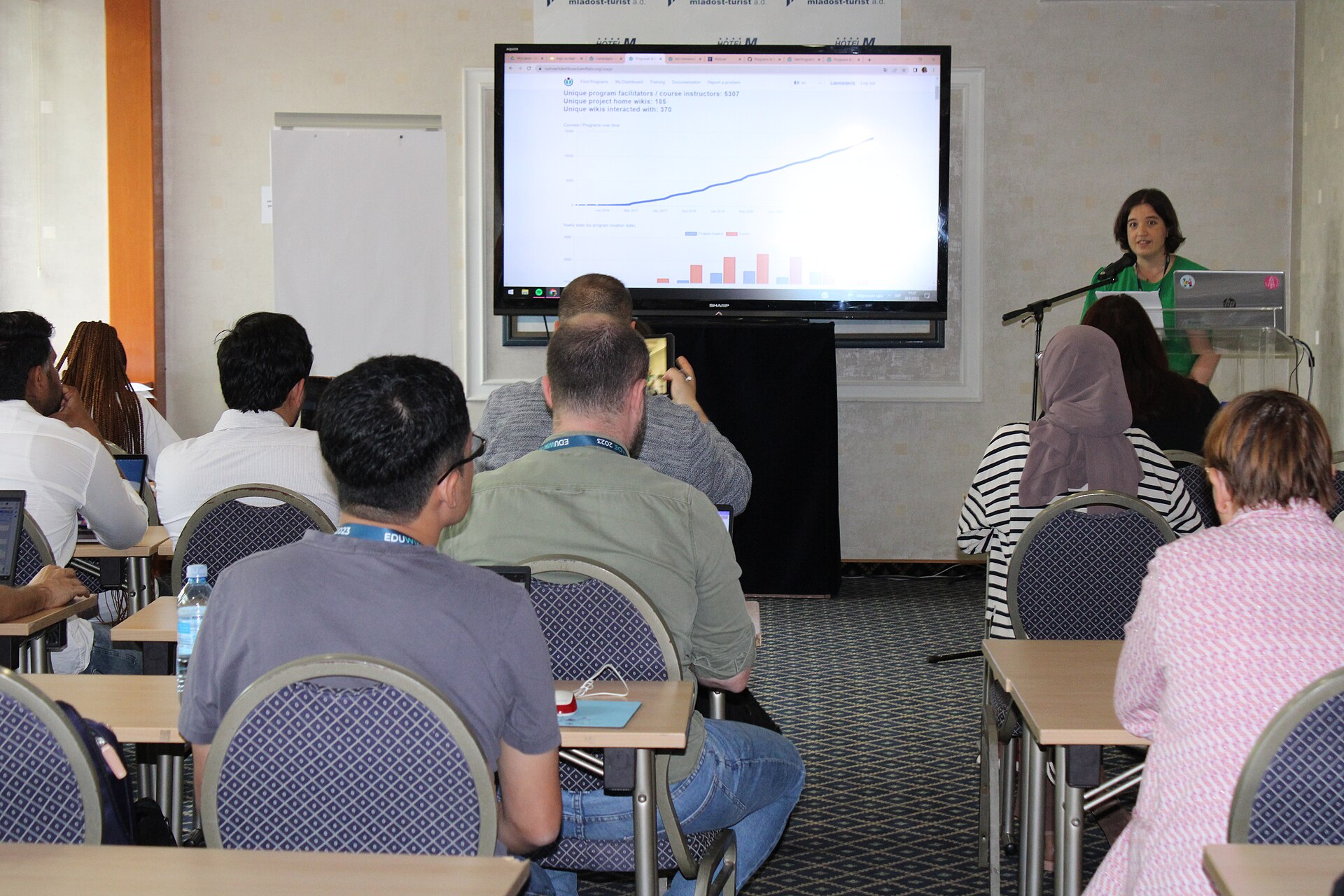
Client work is the strongest raw material for a conference talk, because it carries the one thing an audience cannot get from a summary or a blog post: a real decision made under real constraints. At the same time, client work arrives messy, shaped by a brief that interested only one account, and often wrapped in confidentiality. Preparing a talk from it means extracting a transferable lesson and leaving the identifying detail behind.
This is a checklist for turning a single engagement into a session you can deliver with confidence. It assumes the client has agreed that you may speak about the work in general terms, and that anything you present is honest about your own contribution and the team around you.
Writing a Speaker Bio and Talk Title That Get Selected
- Redaktor
- Category: Voice
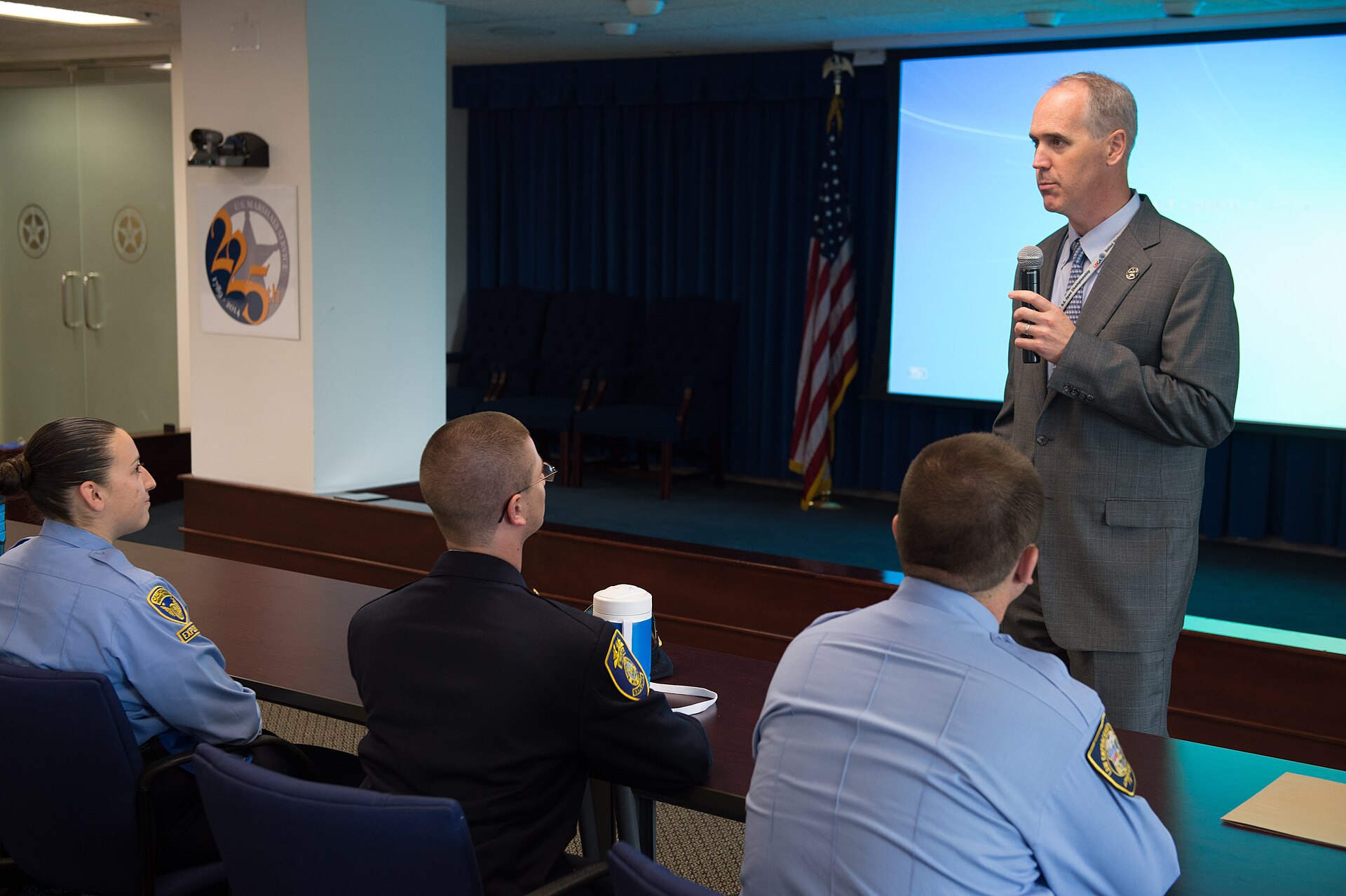
Conference programmes are built from many proposals, and most are read quickly. A programme committee is often looking for a reason to say no, because there are more submissions than slots. Your talk title and speaker bio are the two pieces of text a reviewer sees before anything else. Getting them right is less about self-promotion and more about making the value of your session easy to see.
This guide explains how to write a talk title and a speaker bio that help a reviewer understand what you will deliver and why you are the person to deliver it. It is a guide to structure and wording, not a promise of selection.
Page 14 of 46