

How to Turn a Professional Introduction into a Useful Business Conversation
- Redaktor
- Category: Voice
A professional introduction creates a valuable commercial entry point, yet it confers no binding obligation on either participant to purchase, invest, partner, or dispense advisory insight. The intermediary facilitating the connection merely offers contextual background and an opening for dialogue. An effective follow-up honours that initial courtesy, articulates why a conversation holds tangible relevance for both parties, and provides a frictionless path for the recipient to engage, decline gracefully, or recommend an alternative route.
The governing objective is never to convert an introductory exchange into an immediate commercial pitch. Rather, the purpose is to ascertain whether substantive common ground exists and, where verified, to agree a concrete operational next step. Thoughtful advance preparation and a proportionate opening request substantially increase the likelihood of productive engagement while safeguarding the reputation of the referring contact if alignment is absent.

Supertri Jersey 2026: The Final Showdown
- Redaktor
- Category: Voice
By Maria Bregman, Writer, Founder of the British Global Talent Council and Creativity's UK.

The British Film Academy (BFI) launches 12 "BFI hubs" throughout the UK with the support of the UK government and the National Lottery
- Redaktor
- Category: Voice
How to Get Speaking Opportunities as an Expert
- Redaktor
- Category: Voice
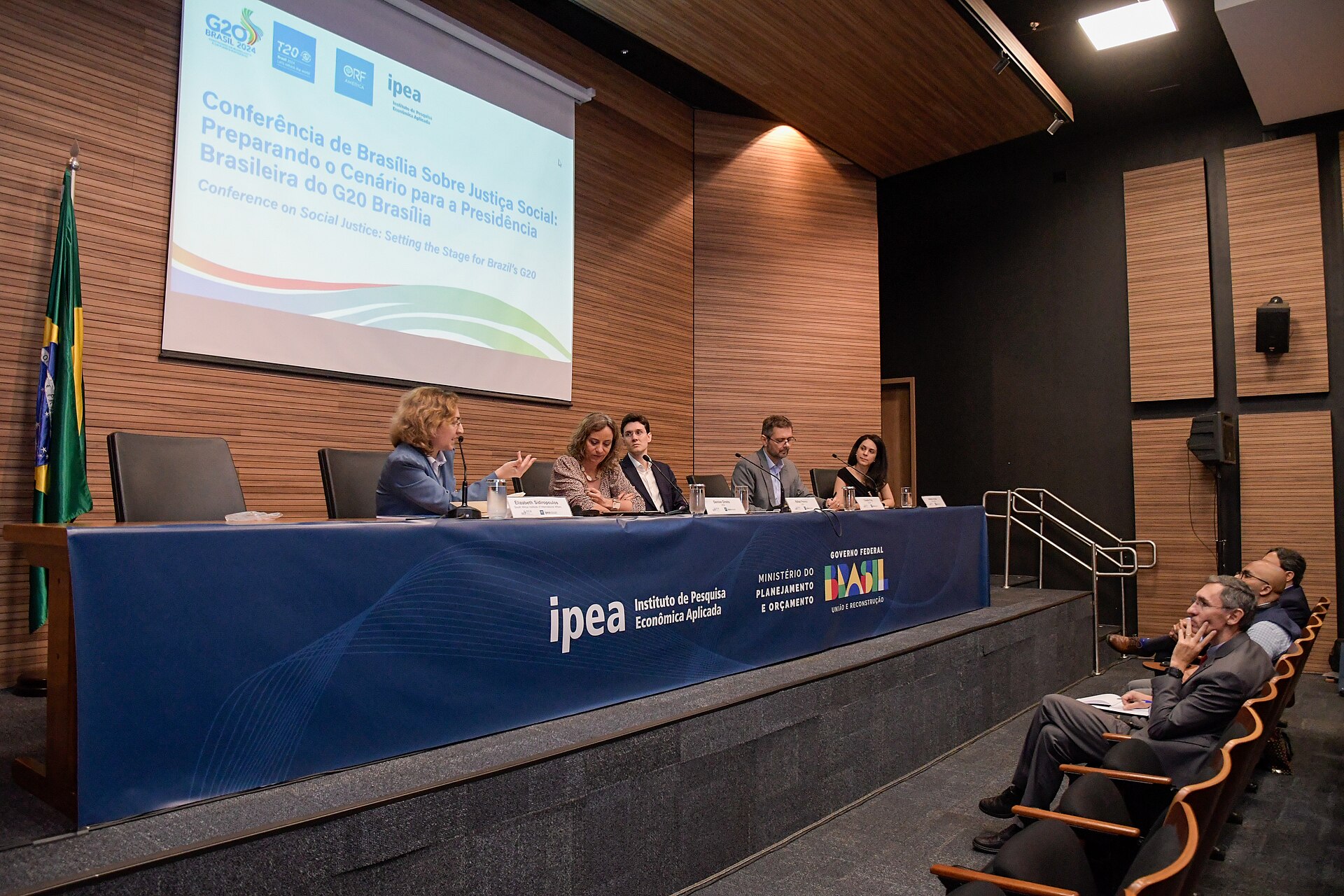
Securing speaking engagements at respected industry conferences, executive summits or specialist symposiums remains one of the more effective ways to build authority inside a professional discipline. A well-received presentation puts your ideas in front of peers, enterprise buyers, potential collaborators and journalists. Yet plenty of accomplished practitioners struggle to land stage invitations, while peers with less experience turn up on keynote rosters again and again.
The difference seldom comes down to raw technical ability. What it usually comes down to is a grasp of how event curators build their programmes. Conference directors and steering committees work under heavy pressure: tickets have to sell, discerning professional attendees have to be satisfied, and the intellectual reputation of the event has to be protected. They are not looking for speakers who will provide free advertising for a consultancy or a software company. They book experts who can explain, with verifiable evidence and a fresh angle, how a difficult, high-stakes problem gets solved.

A Practical Framework for Choosing Between Growth Opportunities
- Redaktor
- Category: Voice
Competing commercial initiatives routinely place concurrent demands on working capital, specialist staff, and executive bandwidth. While an adjacent territory, secondary product line, novel distribution channel, or strategic alliance may each appear commercially appealing, pursuing several concurrently dilutes operational focus and compounds organizational exposure. A disciplined comparative framework allows executive teams to establish precise priorities, determine which hypotheses warrant empirical validation, and deliberately defer secondary options.
The methodology set out here avoids the trap of mechanical scoring algorithms; rather, it provides a structured assessment addressing strategic alignment, underlying economics, operational delivery, downside exposure, and reversibility. Its primary utility lies in making implicit assumptions transparent, establishing why a specific avenue merits execution at a given moment while alternative options remain secondary.
Page 15 of 46